
A mens facial Houston clients choose should feel personal, comfortable, and relevant to their skin—not like a fixed routine made for someone else. A thoughtful treatment begins with a conversation about your skin, habits, preferences, and goals, then adjusts the experience accordingly. At Bella Rinova, master esthetician Deborah Michelson personalizes non-invasive skincare services for each client. Whether you are new to facials or looking to make your routine more intentional, knowing what to expect can make the first appointment feel easier.
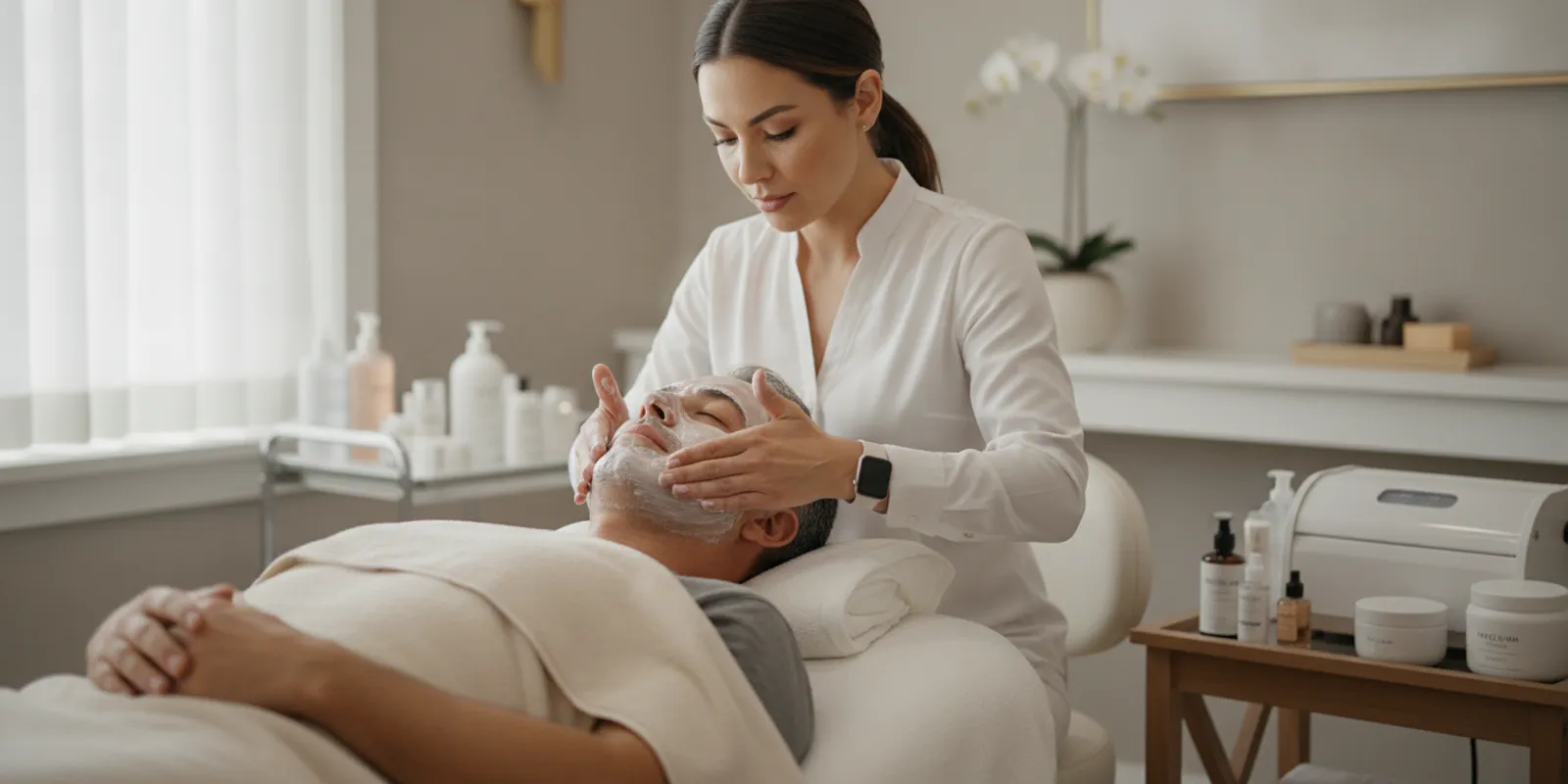
What does a personalized facial for men involve?
A facial is a professional skincare appointment shaped around the person receiving it. The word “men’s” can help someone find a service that feels approachable, but it does not mean that every man needs the same products or steps. Skin varies from person to person. So do daily routines, shaving habits, comfort levels, and the amount of time someone wants to spend caring for their skin.
A personalized appointment is an opportunity to discuss those differences before a treatment begins. You can share what you notice about your skin, what you currently use, and what you would like to make simpler or more comfortable. The esthetician can then tailor the service within the available treatment options and explain what each part of the experience is for. This is different from selecting a one-size-fits-all sequence based only on gender.
At Bella Rinova, skincare services are non-invasive and personalized. The salon’s skincare services are led by master esthetician Deborah Michelson. Her approach can help make a facial feel considered rather than overly complicated: discuss your preferences, understand the treatment plan, and move through the appointment at a pace that feels comfortable to you.
Why might a man consider a facial?
People book facials for many reasons, and there is no single correct reason to begin. Some want a relaxing appointment and a chance to pause. Others would like guidance on a basic routine, want to address a concern they have noticed, or are preparing for an occasion. A facial can also be a way to experience professional skincare before deciding whether to make it part of a regular schedule.
Common topics people may bring up include a feeling of dryness or tightness, visible oiliness, uneven-looking texture, sensitivity, or discomfort associated with shaving. These are personal observations, not diagnoses. A conversation with an esthetician helps clarify what you mean by a concern and what kind of non-invasive service may be appropriate. If a concern appears persistent, painful, suddenly changes, or seems medical, speak with a qualified medical professional rather than relying on a salon facial to assess or treat it.
You do not need to arrive with a list of products or a detailed skincare vocabulary. Simple descriptions are useful: “My face feels tight after I wash it,” “I shave most mornings,” or “I prefer a short routine.” Tell the esthetician what you have tried and what you would rather avoid. This gives the conversation a practical starting point without assuming that a particular skin type or treatment applies to every man.
How does the consultation shape the experience?
A useful consultation is a two-way conversation. You explain what you hope to get from the appointment; the esthetician asks questions that help shape the service and describes what to expect. It is also your chance to mention preferences that may seem small but affect how relaxed you feel, such as wanting a quiet appointment, asking before a step begins, or preferring a straightforward explanation rather than product jargon.
You might consider these points before you arrive:
- Your main reason for booking: Is your priority relaxation, a more comfortable-feeling routine, or help choosing a service?
- What you notice: Describe when and where you experience dryness, oiliness, sensitivity, or another concern, without trying to diagnose it yourself.
- Your current routine: Mention the products and steps you use, even if that routine is only washing your face and applying one product.
- Shaving and facial hair: Explain how often you shave, whether you have a beard or mustache, and whether shaving tends to leave your skin feeling uncomfortable.
- Preferences and sensitivities: Share any known product sensitivities, scents you prefer to avoid, or parts of a facial that make you uneasy.
- Your schedule: Say if you have an event coming up or need the appointment to fit into a particular day. Do not assume every service or skin response follows the same timeline.
It is completely reasonable to ask what the appointment includes before you begin. You can ask which steps are planned, what products will be used, whether a step may feel warm or cool, and whether you can request a pause. A professional service should leave space for questions and preferences. If you would rather keep the conversation brief, say so; if you want more detail, ask for it.
For a first visit, arriving with a clean face is helpful if it fits your routine, but you do not need to perform extra preparation or buy products in advance. When you arrange the appointment, ask the salon whether there are any specific instructions for the service you select. If you use prescribed skincare or have a known skin condition, mention that during the conversation and consult your healthcare professional about whether a facial is suitable.
Turn general concerns into useful details
It can be easier to have a focused consultation when you describe a moment rather than use a broad label. Instead of saying only “my skin is bad,” you might explain that your cheeks feel tight after washing, that your forehead looks shiny by the afternoon, or that the skin around your beard feels uncomfortable after trimming. These descriptions do not diagnose a condition; they simply help the esthetician understand what you mean and ask relevant follow-up questions.
Timing can be useful context. Consider whether the feeling happens after a particular step, only in one area, or during certain routines. If you have noticed a change after starting a product, say when you began using it and whether you continued. If the concern is persistent or severe, ask a healthcare professional for advice rather than trying to solve it through a cosmetic service. Clear context makes it easier to keep the salon conversation within the appropriate scope.
It is also helpful to distinguish between a goal and a concern. A goal might be to have a quiet, relaxing appointment or understand a simple routine. A concern might be a specific sensation or visible change. You can have both, and neither requires technical vocabulary. The esthetician can ask questions to understand what you mean, and you can correct or clarify the description at any time.
What happens during a men’s facial appointment?
The exact sequence depends on the service selected and the conversation beforehand. Rather than expecting a standard checklist, think of the appointment as a series of steps that can be explained and adapted to your preferences. Your esthetician can talk through the plan, check in as the service progresses, and answer questions as they arise.
1. A conversation about your goals
The appointment begins by understanding what you want from it. You can discuss what you have noticed, your daily routine, shaving, and how much guidance you want. The goal is not to label your skin or pressure you into a complicated regimen. It is to make sure the service and conversation are relevant to you.
2. A review of comfort and product preferences
Before treatment steps begin, share any known sensitivities and preferences. If you dislike fragrance, want a quieter experience, or are uncertain about a particular step, say so. The more clearly you communicate, the easier it is for the esthetician to consider those preferences when personalizing the appointment. If you are unsure whether a product or step is right for you, ask rather than trying to guess.
3. A tailored, non-invasive service
Your facial is selected and adjusted based on the discussion and the services available. Bella Rinova offers personalized skincare treatments in a luxury salon-and-spa setting. The salon also features an adjustable Hästens bed for facials. If the room, bed, or treatment setup is new to you, ask the team to explain it and help you get comfortable before the service begins.
Some clients like to chat; others prefer to rest quietly. You can tell your esthetician what feels best. You may also ask for a pause or explanation at any point. Comfort is part of a personalized appointment, not something you need to set aside in order to receive professional care.
4. Practical guidance for after the appointment
Before you leave, ask what simple next steps make sense for your routine. The most useful advice is advice you can follow. If you do not want a long sequence, say so. You can ask which existing steps to continue, whether a change is worth considering, and what to do if you are unsure how your skin responds. Recommendations should reflect the conversation and the products actually available through the salon; there is no need to build an elaborate routine simply because you had a facial.
What you can do if you feel uncertain
You do not have to wait until the end of an appointment to mention that a step feels uncomfortable or that you are unsure what is happening. A brief question can help: “What are you applying now?” “Can you explain what this step is for?” or “Could we pause for a moment?” These are ordinary ways to take part in your own experience. If you would rather hear the plan before treatment starts, ask for that then.
Likewise, it is fine to change your mind about a preference. You might initially say you are comfortable with conversation and later decide you would prefer quiet. You might agree to hear more about a product and then choose not to discuss retail. A personalized service should make room for respectful communication, not require you to follow a script or justify a preference.
For practical comfort, tell the esthetician if you need to adjust your position or if the room temperature, lighting, or pace is not working for you. Bella Rinova has an adjustable Hästens bed for facials, and you can ask for help getting settled on it. You do not need to assume you should already know how the equipment works. Asking for a small adjustment early may help you relax for the rest of the visit.
How can shaving and facial hair affect the conversation?
Shaving is a useful topic to raise because it is part of many people’s daily routines and can influence what feels comfortable on the face. Frequency differs: one person shaves every day, another trims occasionally, and someone with a beard may shave only along the edges. A facial should be discussed in the context of your habits rather than an assumed routine.
Tell the esthetician when you last shaved and whether shaving tends to leave your skin feeling tight or uncomfortable. If you have a beard or mustache, explain which areas you would like addressed and whether you want products kept away from particular areas. Do not feel that you need to shave just to qualify for a facial. Ask the salon if it recommends any preparation for the specific service you are booking.
If you are preparing for a special event, avoid making last-minute changes to a routine without asking for guidance. A facial is not a guarantee of a particular appearance by a particular date. Give the salon the event date when you make the appointment so the team can discuss timing and what is suitable. For ongoing irritation or another medical concern related to shaving, a healthcare professional is the right person to consult.
Examples of details worth mentioning
A person who shaves daily may want to describe which areas feel uncomfortable after shaving and whether that sensation is usual or new. Someone who trims a beard may want to clarify whether the treatment should focus on exposed skin, the beard line, or both. A client who shaves only occasionally can mention whether an upcoming shave is part of an event plan. In each case, those details are simply helpful context; they do not determine a specific service automatically.
If you use a razor, electric trimmer, or another grooming approach, you can name it if you think it is relevant. Explain any steps you already take to feel comfortable and whether you would like the esthetician to avoid a particular area. There is no requirement to remove facial hair, and the salon can answer service-specific preparation questions when you book.
Be thoughtful about how close together you schedule unfamiliar grooming or skincare steps. If your skin has been feeling sensitive, explain that instead of adding a new product or changing your shaving habits immediately before a facial. If a shaving-related issue is recurring, painful, or worsening, seek medical advice. A salon professional can discuss cosmetic service options but should not diagnose a medical issue.
What should you look for in a men’s facial in Houston?
Houston has many ways to approach personal care. When choosing a facial, consider the quality of the conversation and whether the setting and service suit your preferences—not only the name of a treatment. A reassuring experience should make it easy to ask questions, explain concerns, and understand what is planned before the service begins.
Here are a few practical considerations:
- Personalization: Does the appointment begin with questions about your skin, routine, and goals, rather than assuming the same approach fits everyone?
- Clear expectations: Can the team explain the service, its general sequence, and any preparation or aftercare guidance?
- Comfort: Do you feel able to ask for a pause, clarify a step, or share a preference without embarrassment?
- Appropriate scope: Is the service described as skincare and relaxation, without promises of medical treatment or guaranteed results?
- Convenience and setting: Does the location, appointment experience, and overall atmosphere work for your schedule and expectations?
Bella Rinova serves Houston, including the River Oaks and Galleria areas, as a luxury, full-service hair salon and spa. Its skincare services provide a setting for personalized, non-invasive care, alongside hair and nail services. For clients who value having beauty services in one place, that broader salon-and-spa environment may be a useful part of the decision. You can learn more about the salon’s skin care and facial services and decide whether the available options fit what you are looking for.
Compare the experience, not just the menu name
Facial names can sound similar while referring to different approaches, and a name alone may not tell you whether a service fits your preferences. Before choosing, ask what the service generally involves, whether there is a consultation, and how the esthetician decides what to customize. The answer should help you picture the appointment without making a result promise.
Think about the qualities that matter most to you. You may value a calm setting, the opportunity to ask questions, familiarity with premium skincare, or a service that feels straightforward. Someone else may care most about fitting an appointment around work or understanding whether a beard affects the treatment. There is no universal ranking of those priorities. Identifying yours can make it easier to compare options and have a useful conversation with the salon.
Also consider whether the provider describes the limits of a facial clearly. A non-invasive salon service can be a personal-care experience, but it should not be presented as medical diagnosis or as a guaranteed fix for a health concern. If you are choosing care for a persistent or changing skin issue, consult a clinician. If you are seeking a relaxing appointment or a conversation about a routine, explain that goal to the salon and ask which available service may be suitable.
How should you think about a facial around Houston’s climate?
Houston weather can be hot and humid for much of the year, while indoor air conditioning may feel different from outdoor conditions. Your own experience can vary with the season, time outdoors, travel, exercise, and the products you use. Rather than assuming that the climate affects everyone in the same way, use your own observations as useful context during a consultation.
For example, you might mention that your skin feels different after spending time outdoors, after a workout, or during a period of frequent travel between warm outdoor air and cool indoor spaces. If your routine changes with the season, describe what changes and what you find comfortable. These details help the conversation stay specific to your habits rather than turning climate into a one-size-fits-all explanation.
Keep your expectations practical. A salon facial is not a substitute for a medical evaluation, and no one can promise that a particular appointment will prevent or resolve a concern. It can, however, offer an opportunity to discuss a personal routine and experience a non-invasive skincare service in a calm setting. For persistent or worsening concerns, seek guidance from a qualified medical professional.
Bring observations rather than assumptions
It is tempting to blame every change in how your skin feels on humidity, heat, or air conditioning. Those conditions are part of daily life in Houston, but they are only one part of your personal context. Workouts, outdoor activities, shaving, sleep, travel, and products can all be relevant to what you notice. Instead of deciding in advance what caused a concern, explain what happened and when.
For instance, you could tell the esthetician that your routine is the same but your face feels different after long days outdoors, or that you notice a change after moving between a cool office and the heat outside. You can also say that you have not noticed any seasonal pattern. The point is not to produce a perfect account, but to offer enough context for a conversation that is about your actual experience.
Simple routines can be especially practical when your schedule includes commuting, travel, exercise, or long days. Ask how a potential step would fit into your real day, rather than taking home advice you are unlikely to use. If a concern is more than a cosmetic preference, or if it changes suddenly, treat it as a medical question and ask an appropriate professional.
What kind of home routine is realistic after a facial?
The best routine is not necessarily the longest one. Many people prefer a few repeatable steps over a shelf full of products, and a consultation can help you talk through what you already use before considering a change. Keep the focus on what fits your daily life, comfort, and any advice you receive from a qualified professional.
As a starting point for the conversation, consider how you currently cleanse your face, whether you use a moisturizer, and whether you apply sun protection as part of your daytime routine. These are general routine topics, not a personal prescription. The right choices can depend on individual needs and any guidance from your healthcare professional. If you are unsure what to keep or change, ask the esthetician to explain the options in plain language.
When discussing products, these questions can keep recommendations manageable:
- What is the purpose of this product or step?
- How would it fit with what I already use?
- Is there a simpler option that meets the same preference?
- How should I approach a new product if I am uncertain about my sensitivity?
- When should I stop using it and seek professional advice?
Make one change at a time if you decide to adjust a routine, and pay attention to how your skin feels. Avoid adding multiple unfamiliar products at once simply because you received a facial. If you have a history of reactions or use prescribed skincare, ask a healthcare professional for advice about product changes. The salon can help you understand its professional skincare offerings, but medical questions belong with a clinician.
Build advice around the routine you already have
Before the appointment, think about what you actually do on a typical weekday and what changes on weekends. A person who travels frequently may want a routine that is easy to maintain away from home. Someone who works out most days may want to talk through when a facial fits with exercise and cleansing habits. A person with a very short morning routine may not want advice that adds several steps before leaving the house. These are practical constraints, not shortcomings.
If you can, bring the names or photographs of the products you currently use, especially if you are uncertain what they are or how often you use them. You do not need to bring every container or prepare a detailed inventory. A few details—what you use, how often, and whether you like or dislike it—can make the discussion more concrete. Be honest if you use a product inconsistently; useful guidance should fit reality rather than an idealized routine.
Ask the esthetician to separate essential suggestions from optional ideas. You might say, “If I make only one change, which one should I understand first?” or “Can I continue with what I already have for now?” A clear answer can help you avoid changing several things at once. If a suggestion concerns a medical product, prescription, or a persistent reaction, check with the clinician who manages your care before changing how you use it.
Make a plan you can remember
At the end of the appointment, summarize the guidance in your own words. For example: “I will keep my current routine and ask before adding anything new,” or “I will follow up with my clinician about the irritation I mentioned.” This gives you a chance to clarify a point while you are still with the esthetician. If you received several suggestions, ask which one is most relevant to the goal you discussed.
Do not feel obliged to purchase a product or adopt a routine simply because you have had a facial. You can ask about the product’s role, whether Bella Rinova carries it, and how it would fit your current steps. If you prefer not to shop during the appointment, say so. A personalized service includes helping you make an informed choice, even if your choice is to wait or keep your routine as it is.
When you get home, make a note of any guidance you want to remember and any question you would like to ask next time. Avoid trying to judge the value of the appointment by an immediate visible change. Your own comfort, clarity about the service, and ability to follow a realistic routine may be more useful measures of whether the experience suited you.
How often should you book a facial?
There is no universal schedule that every man needs to follow. The right frequency depends on your preferences, the service, your budget, your calendar, and any guidance appropriate to your situation. Some clients may enjoy an occasional appointment; others may prefer a regular rhythm. You do not have to commit to a series during your first visit.
After discussing your goals, ask the esthetician what interval might make sense for the service you received and why. Treat the answer as individualized guidance rather than a rule for everyone. If your main goal is relaxation, your preferred schedule may look different from someone who wants periodic professional guidance on a routine. If your skin has a medical concern, discuss appropriate care with a qualified healthcare professional.
It can also help to think about timing around travel, work, shaving, and events. Share your calendar constraints when booking rather than trying to arrange a treatment at the last minute. If you are new to facials, one appointment can help you learn what the experience is like before you decide whether you want another.
Choose a rhythm that fits your reason for going
Start by naming the role you want a facial to play. If the main reason is to make time for a quiet, restorative appointment, your preferred schedule may be occasional and based on your calendar. If you value having an esthetician revisit your routine, you might ask what follow-up timing makes sense for that conversation. Neither purpose creates an obligation to book repeatedly.
Ask for the reasoning behind any suggested interval. A practical discussion should take account of the service, your own preferences, and what you hope to get from the visit. You can also ask whether you may wait and decide later. If a recommendation feels unclear, request a simpler explanation rather than agreeing to something you do not understand.
Think about the full appointment experience, not only the time spent in the treatment room. You may need to coordinate a workday, travel across Houston, or leave time to settle in without rushing. If you have an event or a trip, mention it while scheduling and ask what timing the salon recommends for the service you are considering. The salon can discuss logistics, but cannot guarantee that a facial will produce a particular appearance by a deadline.
How can you feel more at ease at your first appointment?
Feeling unsure about a first facial is common, especially if you do not know what the treatment involves. You do not need to know the names of skincare steps or arrive with a polished routine. The most helpful preparation is a clear idea of what you want to ask and the freedom to speak up during the appointment.
- Say that it is your first facial. The team can explain the process and avoid assuming you already know what to expect.
- Ask for plain-language explanations. You can request a quick description before each step or ask which parts are optional.
- Set your preferred tone. Let the esthetician know if you prefer quiet, conversation, or occasional check-ins.
- Be honest about your routine. There is no need to make it sound more elaborate. Accurate information is more useful.
- Share your boundaries. If something feels uncomfortable or you want to pause, tell the esthetician.
- Ask about next steps before leaving. A short recap can help you remember the guidance without feeling pressured to do everything at once.
A luxury experience should not require you to know beauty terminology or follow a complicated routine. It should make room for your preferences and provide enough information for you to make choices comfortably. The consultation is there to shape the service around the client, not to judge how much skincare they already know.
A simple first-visit checklist
You can keep preparation uncomplicated. Before leaving home, note any specific concern or goal you want to mention. Remember the main products you use and any known sensitivities. If you shave or trim, consider when you last did so and whether it affects comfort. You can also decide whether you prefer quiet, conversation, or explanations along the way. That short list is enough to start; there is no need to research treatment terminology or buy anything beforehand.
When you arrive, give yourself a moment to settle in and ask any logistical questions. If you are unsure where to put your belongings, how the facial bed adjusts, or what will happen first, ask the team. If you are running late or your schedule has changed, let the salon know rather than rushing through the consultation. A clear start can make the visit feel more composed.
During the service, communicate in the moment. You can request an adjustment, ask what a step is for, or say that you would rather not discuss products. You are not expected to endure discomfort silently or pretend to understand a term you have not heard before. If something seems outside the scope of a salon service, pause and seek appropriate professional guidance.
What if you are not sure what to request?
You can start with an open question: “I am new to facials; can you explain the available options and help me understand what might fit what I described?” Then tell the esthetician your priorities and any limitations. For example, you might say that you want an introduction to professional skincare but prefer a short, simple routine, or that relaxation matters more to you than discussing a long list of products.
If you are unsure whether a facial is suitable because of a health concern, ask the appropriate healthcare professional first. A salon can answer questions about its service menu and preparation, but it should not replace a clinician’s advice. Sharing a known condition or prescribed skincare with the salon is still useful, because it helps the team understand your situation and discuss whether you should postpone or seek medical clearance.
You are also allowed to take time to decide. If you do not understand a service description or want to compare options, ask for clarification before booking. You can review the salon’s full salon and spa services and contact the team with questions. A decision made after a clear conversation is more comfortable than choosing an unfamiliar service simply because the name sounds appealing.
What is different about a salon-and-spa setting?
A salon and spa brings personal care services together in one environment. At Bella Rinova, skincare sits alongside hair and nail services, supported by a team of more than 25 professionals. The salon has served Houston since 1999 and emphasizes personalized service and consultation. For someone planning a facial, this context can be useful if they value an attentive, full-service setting rather than a treatment selected from a menu without discussion.
The skincare experience is led by Deborah Michelson, a master esthetician. The salon’s facial space includes an adjustable Hästens bed. These details describe the setting and expertise available; they are not a promise of a specific outcome. The important question is whether the service, conversation, and atmosphere suit your priorities.
You can explore the salon’s broader hair, skin, nail, and spa services to understand the range of offerings. If you have a question about which skincare service is appropriate for your interests, ask before booking rather than assuming that a particular name or treatment is right for you.
Consider how the setting affects your visit
For some clients, having skincare, hair, and nail services available under one roof is convenient. Others may care most about the skincare appointment itself and prefer a quiet, focused visit. Think about what makes an appointment feel worthwhile to you. A full-service salon environment can be a practical fit if you value having several personal-care options in one place, but that does not mean you need to add other services to your visit.
The setting also affects the kind of questions you may ask. You might want to know where the treatment room is, how to arrive, or whether the salon can answer a question before you schedule. The contact page is a straightforward way to ask about available services and appointment details. Confirm current logistics directly with the salon rather than relying on an old note or an assumption about timing.
Luxury can mean different things to different people. For one client it may mean a refined environment; for another it may mean an unhurried conversation and a service adapted to individual preferences. Decide which details matter to you, and ask how the appointment works. A clear fit is more important than choosing a service because a description sounds impressive.
Questions to ask before you book
A brief conversation before scheduling can help you feel prepared. You might ask:
- Which facial services are available, and how are they personalized?
- What should I share about my current routine or shaving habits?
- Is there anything I should do before the appointment?
- How much time should I allow for the appointment?
- Can I request a quieter experience or ask for an explanation during the treatment?
- What should I do if I have a known sensitivity or use prescribed skincare?
- What is the current price for the service I am considering?
Asking about current pricing is sensible because service details and personal needs can differ. Bella Rinova’s skincare options include premium treatments, and the team can clarify the current service and appointment details. Avoid relying on a generic estimate for a service that may be tailored; confirm the details with the salon when you contact them.
Questions that help you compare options
If you are considering more than one service, ask what is different about the experience and what each option is intended to include. Ask whether a consultation is part of the appointment, what preparation is expected, and what guidance is available afterward. If timing matters, explain your schedule and ask what the salon recommends. These questions help you compare the practical experience rather than guess from a short menu description.
You may also want to ask what happens if you arrive and realize that a service is not what you expected. Clarify whether the esthetician will review the plan with you and whether you can ask to adjust or pause. The purpose is not to make the appointment complicated; it is to know that you can communicate and understand the plan before it begins.
For product questions, ask whether an item is available through the salon and how it would fit into your current routine. Bella Rinova carries a curated selection of professional beauty products, but availability can change; confirm directly rather than assuming a particular item is in stock. You can also say that you are only seeking service information at this time. An informed conversation helps you choose without pressure.
How can you decide which goals to bring to the appointment?
If you have several things in mind, choose one main goal and one or two supporting details. That keeps the conversation useful without making you feel that every aspect of your routine needs attention at once. Your main goal could be relaxation, learning what a facial involves, discussing how your current routine feels, or asking about a particular area that concerns you. Supporting details might include shaving frequency, a product you recently added, or a preference for a quiet treatment.
For example, imagine that you have noticed dryness after washing, shave most weekdays, and do not want a complicated routine. You could open with those three facts. The esthetician can ask when the sensation occurs and what you currently use, then discuss the available service and any relevant preferences. You do not need to arrive with a solution or decide that the dryness has a particular cause. Your observations make the consultation specific while leaving room for a professional to explain the service.
Or perhaps your main reason is simply to take a break and experience a facial for the first time. Say that directly. You might ask for a short explanation of the planned steps and say that you do not want extensive product recommendations. That is a complete and useful set of preferences. You do not have to invent a skin concern in order to justify booking a personal-care appointment.
It can help to separate what you know from what you wonder about. “I use this cleanser most mornings” is a description. “I wonder whether it is right for me” is a question. “I have a medical condition” is important health context that may require clinician input. Keeping those categories distinct reduces pressure to self-diagnose and helps the esthetician respond within the scope of a non-invasive skincare service.
If you have trouble remembering details, make a short note on your phone before you leave. Three brief prompts can be enough: what I hope to get from the visit, what I currently use, and what would make me comfortable. You can refer to the note or simply use it to organize your thoughts. It is not a form that needs to be completed perfectly; it is a reminder that your experience and preferences are the useful starting point.
How do you evaluate product suggestions thoughtfully?
A facial may include a conversation about products, but that does not mean you need to replace everything you own. If an esthetician mentions a product, first ask what role it would play in the routine you described. Ask whether it is intended to replace something you already use or add a separate step. A clear explanation helps you decide whether the suggestion addresses a goal you actually have.
Consider a simple decision sequence. First, restate your priority: perhaps you want a routine that takes little time. Second, ask how the proposed item fits that priority. Third, ask what to continue using alongside it and whether any existing step should be discussed with a clinician. Finally, decide whether you want to make a change now, ask for time to consider it, or keep your routine unchanged. This is a way to make an informed choice, not a test you have to pass.
Availability is another practical question. If you want to learn whether a product is sold by the salon, ask the team what is currently available. Do not assume an item is in stock because it was mentioned in a past article or service description. Bella Rinova offers curated professional beauty products, and current details are best confirmed directly. You can also ask whether the recommendation is a product the salon carries or general guidance to discuss with another professional.
When trying a new item, avoid changing several unrelated parts of a routine at once unless a qualified professional advises otherwise. If you experience a reaction or a concerning change, stop and seek appropriate advice. People with known sensitivities, ongoing conditions, or prescribed skincare should consult their healthcare professional before making changes. The esthetician can clarify the salon service and product information, while a clinician can address medical questions.
It is equally reasonable to decline a suggestion or defer the decision. You might say, “I would like to understand it, but I am not ready to change my routine,” or “Could you explain the simplest option first?” A thoughtful recommendation should be understandable and relevant to the needs you described. The value of a facial does not depend on leaving with a shopping bag.
When should a salon conversation give way to medical advice?
A salon facial is a non-invasive skincare service, not an examination. If a concern is painful, persistent, suddenly changing, worsening, or otherwise worrying, contact a qualified healthcare professional. That distinction matters even if the issue first came to your attention during a grooming routine or while looking at your skin in a mirror. The salon can listen to your description and explain its service, but it cannot diagnose the cause or promise to treat a condition.
Before booking, consider whether your question is about the experience or about a health issue. “What does the facial involve?” is a service question. “What is causing this new painful area?” is a medical question. If you have both, address the medical concern with a clinician and let the salon know about relevant guidance when discussing whether a cosmetic service is suitable. Do not discontinue prescribed care or substitute a facial for a treatment plan without speaking to the professional who manages your care.
If you are unsure whether a concern belongs with a clinician, it is reasonable to ask a healthcare professional. If you have a known condition, a recent procedure, a history of reactions, or are using prescribed products, mention it when asking about a facial. The salon can tell you what its service generally entails and may recommend that you obtain medical guidance before proceeding. That careful approach is not an obstacle to personal care; it helps keep expectations appropriate.
Tell the esthetician about sensitivities and relevant health information you are comfortable sharing. You do not need to provide unnecessary private detail, but information that could affect comfort or suitability can be important. If a service does not seem appropriate based on the discussion, it is better to pause and clarify than to proceed because you already made an appointment. Your wellbeing takes priority over completing a planned service.
What can you take away from the first visit?
After the appointment, take a few minutes to reflect on the parts that were most useful. Did you feel comfortable asking questions? Was the planned service explained clearly? Did the conversation address the goal you brought in? Were the suggestions realistic for your schedule? These observations can help you decide whether the experience fits your preferences and what you would want to repeat or change next time.
You may find that the most valuable takeaway is not a new routine. Perhaps you learned what to ask before choosing a service, felt more comfortable with a professional facial, or clarified that you prefer a quiet appointment. You might leave with one manageable idea to consider later. A useful outcome can be a better understanding of your choices, not a dramatic transformation or a long list of new steps.
If you received aftercare guidance, follow the instructions given for your specific service and ask the salon if a point is unclear. Do not combine that guidance with assumptions from an unrelated article or another person’s routine. If your skin reacts in a way that concerns you, contact an appropriate healthcare professional. If your question is about the appointment or service details, contact the salon for clarification.
When deciding whether to return, think about your original reason for booking and whether the visit met that expectation. A client who wanted relaxation may weigh the atmosphere and comfort most heavily. Someone who wanted a clearer routine may focus on whether the discussion was understandable and practical. You can choose an occasional appointment, ask about a future interval, or decide that one visit was enough for now. The choice belongs to you.
If you do plan another visit, keep a note of what you would like to discuss and anything that changed in your routine. You can tell the esthetician what worked, what felt unnecessary, and what you want to adjust. That feedback gives the next consultation a more useful starting point, while keeping each appointment grounded in your current preferences rather than assuming that the same plan should always be repeated.
Frequently asked questions
Do men need a separate kind of facial?
Not necessarily. The most relevant service depends on the individual’s skin, routine, preferences, and goals, rather than gender alone. Tell the esthetician what you want to address and ask which available service fits that conversation.
Should I shave before a facial?
Ask the salon about preparation for the particular service you are booking. Share when you last shaved and whether shaving affects your comfort. You do not need to assume that shaving is required; the team can discuss what makes sense for your appointment.
Can I book a facial if I do not have a skincare routine?
Yes, you can still ask about a personalized service even if your routine is minimal. Explain what you currently do and what you hope to learn. A simple, realistic conversation is more useful than buying products or creating a routine in advance.
Will a facial treat a skin condition?
A salon facial is a non-invasive skincare service, not medical diagnosis or treatment. If you have a persistent, painful, suddenly changing, or otherwise concerning skin issue, consult a qualified medical professional. You can mention relevant information to the salon when discussing whether a service is suitable.
How do I choose a facial in Houston?
Look for an appointment that includes a clear conversation about your needs, explains the service, and respects your comfort and preferences. Ask about available options and current pricing before booking. Bella Rinova serves River Oaks, Galleria, and the broader Houston area with personalized skincare services.
What should I bring to my first facial?
You generally do not need to purchase or bring anything special unless the salon gives instructions for the service you choose. It can help to remember what products you use, any known sensitivities, and the concerns or preferences you want to discuss. If you use prescribed skincare, mention it and ask your healthcare professional about suitability when needed.
Can I ask for a quiet appointment?
Yes. Tell the esthetician whether you prefer quiet, conversation, or occasional check-ins. You can also ask questions or change your preference during the visit. Sharing what helps you feel comfortable is part of personalizing the appointment.
Do I need to commit to regular appointments?
No. There is no single schedule that applies to every person. Ask what interval might suit the service and your goals, then decide based on your preferences, calendar, and budget. You can try one appointment before deciding whether you want another.
Contact Bella Rinova about a facial
A first facial can be a straightforward way to explore professional skincare in a setting where questions and personal preferences are welcome. Share what matters to you, ask for a clear explanation, and choose the pace and service that feel right for your needs.
