Haircuts for Women Over 50: Shapes That Feel Modern and Easy

The best haircuts for women over 50 are not defined by a certain age or a single trend. They are shapes chosen for your hair’s texture, density, growth pattern, features, and everyday routine. A softly layered bob, a shoulder-skimming cut, longer layers, or a pixie can all feel current when the proportions and finish suit the person wearing them.
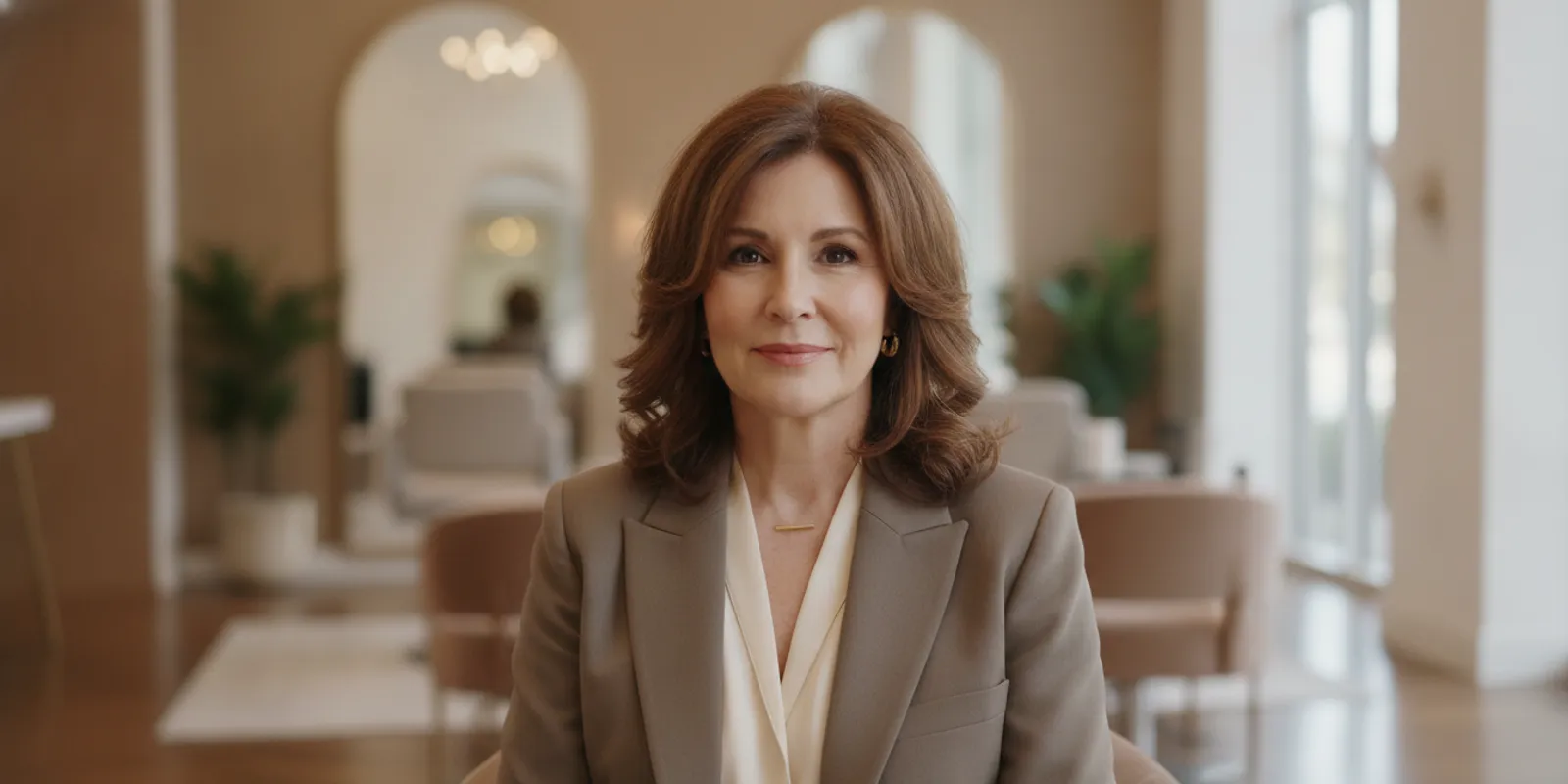
Woman over 50 with a polished, softly layered shoulder-length haircut in a bright salon

Request a personalized hair consultation

What makes a haircut feel right after 50?

Age alone does not tell a stylist which haircut will work. Two women of the same age can have very different curl patterns, strand thickness, density, hairlines, face shapes, and styling preferences. A useful starting point is not a rule about which cut women should wear at a certain age. It is a conversation about what you want your hair to do and how much time you want to spend doing it.

A considered haircut balances movement, weight, shape, styling time, and upkeep. Do you want the hair to swing or sit close to the head? Do the ends feel heavy, or would removing too much bulk make them seem sparse? Would you like softness around the face, a stronger perimeter, or a sculpted silhouette? Are you comfortable blow-drying and using tools, or do you prefer a cut that works with a quick dry? These questions help narrow the options.

Those priorities can point in different directions. A short, crisp cut may be easy to wash but need more frequent shaping. A longer shape may need fewer salon visits, yet take more time to dry and style. Layers may add movement, but their placement and amount matter. The right choice fits your actual hair and habits, not someone else’s age-based expectation.

It also helps to separate the haircut from the finish. A smooth blowout, a natural wave, and an air-dried texture can make the same cut look quite different. When discussing a new shape, bring examples of the way you genuinely wear your hair, not only a photograph styled for a special occasion.

Which haircut shapes are worth considering?

Use the options below to describe the kind of shape you are drawn to. A stylist can adapt the length, outline, and layers to your features and hair behavior. These categories are starting points, not strict formulas.

Shape What it can offer Upkeep to discuss
Short or classic bob A defined outline, from chin length to just above the shoulders How often the perimeter needs reshaping and how it sits between visits
Layered or long bob Movement while keeping some length and styling options Whether layers support your density or make ends feel too light
Shoulder-length cut Versatility for wearing hair down, tucked back, or loosely gathered How to manage the ends and preserve the desired outline
Long layers Length with shape and movement instead of one heavy edge How the layers blend and how to maintain the ends
Pixie or short crop A close, expressive shape with less length to wash and dry How quickly the outline changes as it grows and how to style it

Could a bob be the right choice?

A bob is a flexible family of haircuts, not one fixed shape. It may be chin-length, fall below the jaw, or skim the shoulders. It can have a strong, blunt outline, soft internal layers, or a gently angled profile. The version that works best depends on how your hair naturally falls and where you want the shape to sit.

A chin-length bob can create a clear frame around the face. It may suit someone who likes a defined outline and does not mind styling the ends into place. If your hair bends or curls strongly, a stylist should consider how that pattern changes the apparent length once it dries. Hair that sits differently on each side may need an outline designed for its natural movement rather than for a perfectly straight photograph.

A longer bob offers a middle ground. It keeps more length than a classic short bob while giving the hair a distinct shape. This can be useful if you want to remove some length but are not ready for a short cut. A blunt bob emphasizes the perimeter. On hair with fine strands or lower density, a carefully shaped edge may help the ends look deliberate. That does not mean everyone with fine hair should choose a blunt cut; the stylist must consider density and how the hair separates.

Soft layers can change the character of a bob. They can release some weight and help movement, but too many or too-short layers may make the silhouette harder to manage. Talk about where you want movement: around the face, through the sides, or at the back. Before choosing a bob, ask how it will look on an ordinary day, whether it will fall into place without a round brush, how it may behave in Houston humidity, and what happens as it grows.

How does a shoulder-length cut balance versatility and ease?

A shoulder-length cut keeps enough length for varied styling while giving the ends an intentional shape. You can wear it down, tuck it back, or gather it loosely if the length allows. It can be cut with a solid perimeter, gentle layers, or face-framing pieces. This length can be a practical refresh if you want a visible change but not a dramatic crop.

Think about where the ends land. Hair that rests on the shoulders may flip outward or catch against clothing, depending on texture and the cut. A length just above or below that point may behave differently. Your stylist can compare those positions with your natural movement and usual wardrobe.

Layering should be planned, not added automatically. A few carefully placed layers can reduce a heavy effect and help hair move. On hair with less density, extensive layers may leave the perimeter too thin. On dense hair, strategic layers may help balance the shape. The goal is not to remove as much weight as possible. It is to make the hair fall in a way that suits the desired silhouette.

Ask what the haircut will do when it is allowed to dry naturally. If you usually blow-dry, describe the tools and time you actually use. A cut that looks lovely after a long styling session may not be the right everyday choice if that process does not fit your life.

Are long layers a good option if you want to keep your length?

Long hair can be part of a modern, polished look at any age. If you enjoy your length, there is no need to shorten it simply because of an age-based expectation. Consider whether the ends feel healthy enough to support the shape, whether the length fits your routine, and whether the hair has the density to carry the layers you want.

Long layers can add shape without removing the full length. They may create motion around the face or through the lower sections. A subtle approach can preserve a continuous outline, while more visible layers create stronger movement. Ask where the shortest pieces will fall and how they will blend when you wear your hair up or pulled back.

Too much layering can have an unintended effect. If the hair is fine or the ends are sparse, many short layers may make the lower lengths appear thinner. With very dense hair, layering may help remove bulk, but removing weight in the wrong areas can create a shape that expands or feels disconnected. A plan should respond to your own density and texture.

Longer hair typically takes more time to wash and dry, and the ends can be affected by brushing, heat styling, and everyday friction. If you are deciding whether to keep growing it, discuss how you want the ends to look and what trim schedule makes sense for your goals. See this guide to haircut timing for more general considerations.

What should you know before choosing a pixie or short crop?

A pixie or short crop can feel expressive, light, and easy to wash. It can also require more frequent shaping to keep its outline intentional. Short hair is not automatically maintenance-free: depending on the design and how quickly it grows, the change in shape may become noticeable sooner than it would with a longer cut.

Short cuts vary widely. Some are close around the sides and back, while others leave a longer top or fringe for softness and styling options. Ask which parts will need styling and whether the shape can be worn in more than one way. Consider your hairline and natural growth patterns, too. A cowlick, crown whorl, or strong direction at the nape can affect how short hair lies.

If you have worn long hair for many years, taking off a substantial amount can feel like a big adjustment even when you like the result. You could move in stages, beginning with a longer bob or shorter shoulder-length shape, then decide whether to go shorter later. Before booking, ask how often the crop might need a refresh, how it grows out, and what the daily styling involves.

How should you choose a cut for your hair texture and density?

Texture describes the shape and feel of individual strands, such as fine, medium, or coarse. Density describes how much hair is present overall. Both influence how a haircut sits, but neither dictates one correct style. A stylist should observe how the hair moves and ask how you normally wear it.

Fine strands or lower density

Fine hair can be weighed down by heavy products or long lengths, but a very short cut is not the only answer. Some people prefer a shorter bob because it feels defined. Others like longer hair and choose a shape that preserves fullness at the ends. When density is lower, the perimeter may be important. A highly layered shape can leave fewer strands at the ends, while a more solid outline may feel substantial. The stylist can balance a stronger edge with subtle shaping in selected areas.

Be specific about the problem you are trying to solve. Do you want the hair to appear fuller at the ends, have more movement at the crown, or take less time to style? Each goal may call for a different adjustment. Avoid assuming that a celebrity haircut will produce the same effect on hair with a different amount or texture.

Thick or coarse hair

Thick hair can support many shapes, but its weight and volume need consideration. A blunt cut may feel heavy at a certain length. Layers can create movement, but placement affects whether the hair falls smoothly or expands. Coarse strands may have a stronger bend or require more time to dry and smooth. If you prefer your natural texture, bring a photo of your usual hair rather than a reference that has been extensively styled.

Wavy, curly, or straight hair

Waves and curls change the apparent length of a haircut and can spring up differently in different sections. A shape that looks balanced when wet may sit differently once dry. Mention how your hair behaves on humid days and whether you prefer to define or soften its natural pattern. A layer that is too short for the curl pattern may sit higher than expected, so your stylist should consider shrinkage before settling on a length.

Straight hair often makes the outline of a cut easy to see, which can be useful when choosing a bob or a strong perimeter. It may also show unevenness more clearly. Ask how the cut will appear without a blowout and whether the ends need shaping for the way you part and tuck your hair. Whatever your texture, your normal routine is part of the haircut plan.

How can face shape guide the choice without becoming a rule?

Face shape can help describe proportions, but it should not be treated as a strict set of instructions. Labels such as oval, round, square, or heart-shaped simplify features that are often a mix. Your preferences matter more than trying to disguise or correct a particular feature.

Instead of asking whether a cut is allowed for your face shape, notice what you would like to emphasize. You may enjoy a soft frame near the cheekbones, a fringe that changes the look of the forehead, or an open shape that draws attention to the eyes. Bring photographs and explain the detail you like. “I like the softness at the jaw” or “I do not want a fringe that needs daily styling” gives a stylist a practical direction. This guide to haircuts for a round face can be another starting point, not a rulebook.

What role do fringe and face-framing pieces play?

A fringe or shorter pieces around the face can change a haircut without changing its overall length dramatically. Options range from a fuller fringe to a softer side-swept shape or longer pieces that blend into the cut. These details can make a familiar length feel fresh, but they also affect everyday styling and how often you may want a trim.

Consider your natural part and the direction your hair grows. A fringe that depends on being blow-dried may be less convenient if you prefer air-drying. If hair separates at the front or has a strong cowlick, tell your stylist before choosing a shorter fringe. Ask where the shortest face-framing section will land and whether it will still tuck behind your ear. If you wear glasses, pin your hair back, or prefer an unobstructed face, those details should guide the length.

How can you make a haircut feel current without chasing a trend?

A modern haircut is not necessarily an extreme change. It may be a sharper perimeter, a more deliberate part, softer layers, or a length that feels easier to wear. A shape can feel current because it is well adapted to you, not because it copies a short-lived trend.

Trends can still be useful as a source of ideas. Identify the feature you like rather than requesting a trend name alone. Is it the length, movement, airy fringe, or softly curved ends? Showing that detail lets your stylist suggest a version that works with your hair and preferred upkeep.

Look for references that show several angles and a finish similar to how you intend to wear your hair. Images with heavy editing, extensions, dramatic lighting, or professional styling may not give a realistic picture of the cut by itself. Bring a photograph of your current hair on a normal day as well as inspiration images. That helps establish what the new cut will need to change.

Color can influence how a shape is perceived, but consider the haircut on its own too. If you are considering both a cut and a color change, mention that at the start of the consultation. New color clients need a consultation before booking a color service, and a coordinated conversation can help clarify your goals.

How do you weigh styling effort against salon upkeep?

“Easy” can mean different things. One person wants to shampoo, air-dry, and leave. Another is happy to use a round brush but wants a cut that holds its shape between appointments. Someone else prefers frequent salon visits because a clean outline matters to them. Decide which kind of effort you want less of before choosing the length.

Use a normal weekday as the test. How many minutes do you want to spend styling? Do you wash your hair daily or less often? Do you use a blow-dryer, brush, or hot tool? Do you need the cut to work for exercise, travel, or a busy morning? Answering these questions helps prevent choosing a shape that works only on an unusually leisurely day.

A shorter cut or crisp bob may show growth sooner. Longer shapes may tolerate more time between trims, although the ends and layers still need care. The interval depends on the silhouette, growth, and your preference. Ask what changes you are likely to notice first. Compare the full routine, not just the appointment: a frequent refresh might reduce daily styling, while a longer shape might mean fewer visits but more time to wash and dry.

Houston weather may also be part of the discussion if humidity changes how your hair behaves. Tell your stylist whether the shape expands, loses definition, or feels different outdoors. A cut can be planned with real conditions in mind, though no shape can guarantee identical behavior in every kind of weather.

How can you narrow the options before booking?

When several shapes appeal to you, compare them against the same everyday needs. Write down three things you want your haircut to do and one thing you want it to avoid. You might want to keep enough length to tie it back, soften the outline around your face, and reduce daily styling, while avoiding a short fringe. This is a practical brief a stylist can work with.

Next, consider the amount of change. If you mainly want your hair to feel more intentional, a perimeter refresh or a few carefully placed layers may be enough. If the length feels like the main issue, a bob or shoulder-length shape will make a more visible difference. If you want hair that feels lighter around the neck or easier to wash, a short crop could be worth discussing. Naming the reason helps separate a lasting preference from a passing impulse.

Test the shape against a realistic week. Picture the cut after a normal wash, on a day when you have limited time, and when the weather is humid. Think about whether you need your hair to stay out of your face during work, exercise, or travel. If a short shape appeals to you but you are unsure about regular reshaping, ask what a longer version would look like and how it might grow out.

Do not treat a haircut image as a precise blueprint. It can be a useful reference for length, profile, fringe, or movement, but density, texture, and growth patterns affect the result. Consider whether the person in the photo has hair similar to yours and whether the finish looks achievable with your styling habits. If the reference is very different, explain the feature you want to borrow, such as a softly curved outline or a longer fringe.

If you are comparing two ideas, ask the stylist to explain the trade-offs. A bob may give a strong shape but change how you tuck your hair behind your ears. Long layers may keep the length but take more time to dry. A pixie may feel light but need more regular shaping. The choice is easier when you know what each cut asks of you after you leave the salon.

What should you bring up at a haircut consultation?

A consultation is a chance to agree on the goal before removing length. Bella Rinova’s approach is personalized: the stylist needs to understand your hair, what you want to change, and what you are prepared to maintain. Before the appointment, think through a few practical points:

  • Bring one or two reference images that show the shape you like, plus a photograph of your own hair in its everyday state.
  • Describe what you like in the examples: length, outline, softness, movement, fringe, or styling finish.
  • Explain your routine honestly, including how often you wash, how you dry your hair, and which tools you use.
  • Say what you do not want. You may want to keep enough length to tie your hair back or avoid a fringe that needs daily attention.
  • Mention how your hair behaves when it is humid, air-dried, or worn in its natural texture.
  • Discuss previous cuts, color services, chemical treatments, or other history that may affect how the hair falls or is styled.
  • Ask what the suggested cut will look like as it grows and how often you may want it reshaped.
  • Confirm the service plan and pricing before proceeding, particularly if the appointment includes more than a haircut.

Describe the result in practical terms. “I want a little more shape but still want to tie it back” is clearer than asking for a younger look. “I want the ends to look fuller” gives a different direction from “I want visible movement.” The stylist can discuss trade-offs and help you decide how much change to make.

Bring more than one reference if your first image has a highly styled finish. One can show a length you like; another can show the movement or face framing. The point is not to collect many pictures, but to communicate what matters and what you are willing to do at home. If you are unsure, ask whether the shape can be approached in stages. You may remove some length first, then revisit layers or a shorter outline after you have worn the new shape.

How should you prepare for the appointment?

Arrive with a clear sense of your goal but remain open to adjustments based on your hair. If you can, wear your hair in the way you usually style it. The stylist can see your part, natural movement, and the outline you are accustomed to. If a recent style hides your natural texture, explain how your hair behaves after washing.

Bring up concerns before the cut begins. If you are anxious about losing length, agree on a first stopping point. If you want a change but are unsure how short to go, ask what each proposed length means for styling and upkeep. You can ask for a moment to look at the length before proceeding further.

It is also worth discussing styling at the salon versus at home. A professional finish may look more polished than your usual routine, so ask how the shape will look when styled simply. For examples of the salon’s hair work, browse the salon gallery. Use it to identify details you like, not to expect that one image can be reproduced exactly on different hair.

What mistakes can make the decision harder?

Choosing a cut only because of age

There is no single hairstyle women should adopt after 50. A style that feels right for one person may not suit another person’s texture, routine, or taste. Use age as context only if it helps explain a preference. It should not replace an individual assessment.

Assuming short hair is always easier

Short hair can take less time to wash and dry, but a sharply defined crop may need frequent reshaping or daily styling. Longer hair may need more time at home but can offer flexibility between appointments. Compare the complete routine rather than the number of inches.

Bringing only an idealized photograph

A reference can show a different density, a carefully arranged finish, or lighting that changes the appearance of the cut. The image is useful when you can name what you like about it. A stylist can then adapt the idea instead of treating the photo as a promise.

Asking for layers without defining the goal

Layers can create movement, reduce weight, or frame the face. They can also change fullness and the way a cut grows out. Explain where you want movement or what feels too heavy. This makes it easier to choose the amount and placement.

Not accounting for the way you actually style your hair

If you normally air-dry, a cut that needs a smooth blowout may frustrate you. If you enjoy styling, a shape with several finish options might be appealing. Tell the stylist what you really do, not what you imagine you might do after the appointment.

Expecting a haircut to solve a health concern

A haircut can change shape and styling options, but it cannot guarantee a result for hair growth, scalp health, or other health concerns. If you have a new or persistent concern about your hair or scalp, discuss it with an appropriate healthcare professional. For the salon, focus the haircut conversation on shape, length, texture, and styling.

How can you care for the shape between appointments?

The best between-appointment routine is one you can repeat. Ask your stylist to show you how to handle the part of the cut that makes the biggest difference, whether that is setting a fringe, adding lift at the roots, or letting layers fall naturally. You do not need a complicated routine to make a good haircut feel finished.

Use products you already know work for your hair, and ask for suggestions only if you want them. Bella Rinova carries professional hair care products, including Kérastase and Shu Uemura; the right choice depends on your needs. You can explore the professional hair care collection or ask about appropriate options during a salon visit.

Be thoughtful about heat styling. If you use hot tools, ask how to prepare your hair and what temperature or frequency is appropriate for your routine. If you prefer a natural finish, ask whether the cut has been designed to work with your texture. Pay attention to the shape as it grows and notice whether the fringe, perimeter, or layers are the first parts to lose their form. That information helps you decide when to book a refresh. The salon’s hair services page provides an overview of haircut and styling options.

How do haircut shapes work with different day-to-day routines?

The most helpful way to compare styles is to picture the haircut at several points in your week, not just on the day of the appointment. A polished finish in a salon chair is one view of the cut. Think about what you will do on a morning when you have time to style, and what you will do when you have only a few minutes. A shape that feels good in both situations is more likely to suit your life.

If you prefer to air-dry

Tell the stylist that air-drying is your usual method, then discuss how your natural pattern settles as it dries. Ask whether a blunt outline, a few blended layers, or a longer face frame would work with the way your hair bends or curls. If you often tuck one side behind an ear, mention that too. The cut should be evaluated in relation to your routine rather than designed around a finish you rarely create at home. Ask for a simple demonstration of how to position the part or guide the front pieces while the hair dries.

Air-drying does not mean that every section behaves predictably. The front may dry differently from the crown, and the ends may turn under or out. Notice which areas consistently need help. At a consultation, describe those patterns instead of saying only that your hair is difficult. Specific observations help your stylist decide where the outline needs to be softer or more controlled.

If you like a smooth blow-dry

A blow-dry can show a clean perimeter and make movement more visible, but be honest about the time and tools you use. Do you rough-dry first, use a round brush, or simply smooth the front? Is the goal a sleek finish or a little lift and bend? Those details matter when choosing a bob, fringe, or long layers. If you enjoy styling, a shape with a few styling options may be appealing. If you only style for events, the cut should still feel comfortable on ordinary days.

Ask the stylist to explain which sections are essential to style and which can be left alone. For example, a few minutes spent directing the front may be enough to make a cut feel finished, while the rest can dry naturally. That kind of practical instruction can make a new shape more approachable than a lengthy step-by-step routine you are unlikely to repeat.

If you exercise, travel, or wear your hair back

Consider how the length works with the ways you use your hair. If you regularly gather it into a ponytail, bun, or clip, ask where the shortest layers will fall and whether the front pieces will stay out of your face. A chin-length bob may look appealing but will not offer the same tying-back options as a shoulder-length cut. A longer shape can be versatile, but very short layers may escape an updo. Bring the hair accessory you use most often if you want to check how the cut might work with it.

For travel, think about how much styling equipment you want to pack and whether you expect to maintain a particular finish away from home. If your routine changes often, a shape that looks intentional with a simple brush-through may feel more practical than one that depends on precise styling. Discuss these everyday details before choosing the length, especially if convenience is one of your main reasons for making a change.

How can you compare two appealing haircut ideas?

When two options both seem attractive, compare them using the same questions. Start with what each cut preserves. A shoulder-length style may keep the option to tie your hair back, while a bob may give a clearer outline. Long layers maintain length but change how the ends move. A pixie changes the overall silhouette and makes the face more open. None is automatically better; the useful question is which trade-off you would be happiest to live with.

Next, compare what each style asks of you. Think about drying time, product use, heat tools, and the amount of shaping you expect to maintain. Consider the parts that tend to bother you now. If your hair feels heavy at the back, a stylist might adjust the outline or introduce selected layers without changing the whole length. If the front never stays in place, a fringe may not solve the issue unless its growth direction and daily styling are considered first.

It can help to make a simple two-column note before your consultation. Under each haircut, write what you like, what you would need to style, what you want to preserve, and what concerns you. For example, the bob could feel crisp and light but require an adjustment to your usual tuck-behind-the-ear habit. A longer cut could preserve flexibility but still need attention at the ends. This exercise makes the discussion more concrete and helps you describe a preference without feeling that you must arrive with a final decision.

Ask for a lower-commitment variation when that is useful. A longer bob can be a first step toward a shorter crop. Face-framing pieces can be introduced conservatively before committing to a full fringe. A subtle layer plan can add movement while retaining more fullness at the perimeter. Staging a change is not hesitation; it is a way to learn how a new shape fits your routine before changing more.

What should you notice after the first wash at home?

The first salon finish is helpful, but your own wash and styling routine gives you the best information about how the cut fits your life. Notice how the hair falls after it dries, whether the part behaves as expected, and which sections need more time than you anticipated. Rather than deciding immediately that something is wrong, separate the haircut’s shape from the styling technique. You may need a small adjustment to your routine, or you may have learned that the agreed shape needs a minor refinement.

Keep a few practical notes during the first several days. Does the fringe separate? Do the ends flip where they touch your shoulders? Does one side fall forward when you move? Does the top feel flat when you air-dry? These observations are more useful than a broad statement such as “it does not work.” They help you explain what you are seeing if you contact the salon or bring it up at a future appointment.

Use the styling guidance you received and try it in your ordinary conditions. If you were shown a simple way to direct the front, practice that rather than adding several new tools or products at once. Changing many parts of the routine makes it harder to know what is helping. If the cut was designed around your natural texture, give that finish a fair try before repeatedly forcing the hair into a different style.

Also consider what you like. It is easy to focus on a detail that feels unfamiliar, especially after a substantial change. Notice whether washing is simpler, the shape feels lighter, or the hair frames your face in a way you enjoy. A haircut should suit your preferences, not meet an abstract standard of perfection. Your feedback after wearing it is valuable information for refining the next cut.

How can the consultation make the result more personal?

A personalized haircut begins with listening and a shared plan. At Bella Rinova, the consultation is a useful time to discuss your preferred length, daily routine, and desired finish before choosing the details of the cut. You can bring questions about shape and upkeep and explain what has or has not worked in previous appointments. If you have an image, the stylist can help identify which elements may translate to your hair and which may need adjustment.

It is useful to be precise about boundaries. Say how much length you are comfortable removing, whether you want a fringe, and whether you need the hair to remain long enough to gather. If you are uncertain, ask to agree on a conservative first step. A clear stopping point can make a major change feel more manageable. It also helps the stylist suggest a progression that respects your comfort while still moving toward the look you want.

Consultation is not limited to choosing a photograph. It can clarify how a haircut fits with other goals, such as changing the part, wearing natural texture, or coordinating a cut with a color service. New color clients must complete a consultation before booking a color service. If you are considering a combined change, bring it up early so the plan and service timing can be discussed together.

For a closer look at the salon’s approach and location, visit the Bella Rinova about page. If you are ready to talk through your ideas, the contact page is a direct starting point. A focused conversation helps turn broad inspiration into a shape that reflects your hair, your taste, and the way you want to spend your time.

Frequently asked questions

Is there one best haircut for women over 50?

No. The right cut depends on the individual’s texture, density, growth pattern, preferred length, features, and styling routine. Bobs, shoulder-length cuts, long layers, and pixies can all work when planned for the person rather than chosen by age alone.

Does hair have to be short after 50?

No. Women can wear their hair at any length they enjoy. Consider whether the length fits your styling routine, how you want the ends to look, and how much time you want to spend washing and drying it. A stylist can help shape long hair without removing more length than you want.

Which cut is easiest to maintain?

There is no single low-maintenance cut for everyone. Short hair may dry quickly but need more frequent shaping. Longer hair may allow more time between reshaping appointments but can take longer to style. Choose based on the balance of salon visits and at-home effort that works for you.

Should I add layers to make my hair look fuller?

Not automatically. Layers can create movement, but extensive layering may make some hair look less full at the ends. The result depends on density, texture, length, and layer placement. Explain the effect you want so the stylist can recommend a shape that supports it.

What should I bring to a haircut consultation?

Bring a few reference images and, if possible, a photo of your hair as you normally wear it. Describe what you like in each reference, how much time you spend styling, and what you want to keep or avoid. These details help the stylist adapt the idea to your hair and routine.

Explore haircut and styling services

A haircut should feel like a choice made for you, not a rule attached to your age. Start with the length and routine you want, then work with a stylist to shape a cut that feels comfortable, considered, and genuinely your own.

Share:
Salon Hours
Mon: 9AM - 3PM
Tue, Wed, Fri: 9AM - 6PM
Thur: 9AM - 7PM
Sat: 9AM - 4PM
Contact Us
  • (713) 572-0022
  • info@bellarinova.com
  • 4444 Westheimer Rd, Ste H200
    Houston, TX 77027
Bella Rinova is proud to serve clients in the River Oaks, Galleria, and Houston area.
© 2026
Bella Rinova Salon
Built and Powered by Salon.Marketing

Appointment Request

"*" indicates required fields

This field is for validation purposes and should be left unchanged.

Request Appointment

"*" indicates required fields

This field is for validation purposes and should be left unchanged.

Haircuts for Women Over 50: Shapes That Feel Modern and Easy

The best haircuts for women over 50 are not defined by a certain age or a single trend. They are shapes chosen for your hair’s texture, density, growth pattern, features, and everyday routine. A softly layered bob, a shoulder-skimming cut, longer layers, or a pixie can all feel current when the proportions and finish suit the person wearing them.

Woman over 50 with a polished, softly layered shoulder-length haircut in a bright salon

Request a personalized hair consultation

What makes a haircut feel right after 50?

Age alone does not tell a stylist which haircut will work. Two women of the same age can have very different curl patterns, strand thickness, density, hairlines, face shapes, and styling preferences. A useful starting point is not a rule about which cut women should wear at a certain age. It is a conversation about what you want your hair to do and how much time you want to spend doing it.

A considered haircut balances movement, weight, shape, styling time, and upkeep. Do you want the hair to swing or sit close to the head? Do the ends feel heavy, or would removing too much bulk make them seem sparse? Would you like softness around the face, a stronger perimeter, or a sculpted silhouette? Are you comfortable blow-drying and using tools, or do you prefer a cut that works with a quick dry? These questions help narrow the options.

Those priorities can point in different directions. A short, crisp cut may be easy to wash but need more frequent shaping. A longer shape may need fewer salon visits, yet take more time to dry and style. Layers may add movement, but their placement and amount matter. The right choice fits your actual hair and habits, not someone else’s age-based expectation.

It also helps to separate the haircut from the finish. A smooth blowout, a natural wave, and an air-dried texture can make the same cut look quite different. When discussing a new shape, bring examples of the way you genuinely wear your hair, not only a photograph styled for a special occasion.

Which haircut shapes are worth considering?

Use the options below to describe the kind of shape you are drawn to. A stylist can adapt the length, outline, and layers to your features and hair behavior. These categories are starting points, not strict formulas.

Shape What it can offer Upkeep to discuss
Short or classic bob A defined outline, from chin length to just above the shoulders How often the perimeter needs reshaping and how it sits between visits
Layered or long bob Movement while keeping some length and styling options Whether layers support your density or make ends feel too light
Shoulder-length cut Versatility for wearing hair down, tucked back, or loosely gathered How to manage the ends and preserve the desired outline
Long layers Length with shape and movement instead of one heavy edge How the layers blend and how to maintain the ends
Pixie or short crop A close, expressive shape with less length to wash and dry How quickly the outline changes as it grows and how to style it

Could a bob be the right choice?

A bob is a flexible family of haircuts, not one fixed shape. It may be chin-length, fall below the jaw, or skim the shoulders. It can have a strong, blunt outline, soft internal layers, or a gently angled profile. The version that works best depends on how your hair naturally falls and where you want the shape to sit.

A chin-length bob can create a clear frame around the face. It may suit someone who likes a defined outline and does not mind styling the ends into place. If your hair bends or curls strongly, a stylist should consider how that pattern changes the apparent length once it dries. Hair that sits differently on each side may need an outline designed for its natural movement rather than for a perfectly straight photograph.

A longer bob offers a middle ground. It keeps more length than a classic short bob while giving the hair a distinct shape. This can be useful if you want to remove some length but are not ready for a short cut. A blunt bob emphasizes the perimeter. On hair with fine strands or lower density, a carefully shaped edge may help the ends look deliberate. That does not mean everyone with fine hair should choose a blunt cut; the stylist must consider density and how the hair separates.

Soft layers can change the character of a bob. They can release some weight and help movement, but too many or too-short layers may make the silhouette harder to manage. Talk about where you want movement: around the face, through the sides, or at the back. Before choosing a bob, ask how it will look on an ordinary day, whether it will fall into place without a round brush, how it may behave in Houston humidity, and what happens as it grows.

How does a shoulder-length cut balance versatility and ease?

A shoulder-length cut keeps enough length for varied styling while giving the ends an intentional shape. You can wear it down, tuck it back, or gather it loosely if the length allows. It can be cut with a solid perimeter, gentle layers, or face-framing pieces. This length can be a practical refresh if you want a visible change but not a dramatic crop.

Think about where the ends land. Hair that rests on the shoulders may flip outward or catch against clothing, depending on texture and the cut. A length just above or below that point may behave differently. Your stylist can compare those positions with your natural movement and usual wardrobe.

Layering should be planned, not added automatically. A few carefully placed layers can reduce a heavy effect and help hair move. On hair with less density, extensive layers may leave the perimeter too thin. On dense hair, strategic layers may help balance the shape. The goal is not to remove as much weight as possible. It is to make the hair fall in a way that suits the desired silhouette.

Ask what the haircut will do when it is allowed to dry naturally. If you usually blow-dry, describe the tools and time you actually use. A cut that looks lovely after a long styling session may not be the right everyday choice if that process does not fit your life.

Are long layers a good option if you want to keep your length?

Long hair can be part of a modern, polished look at any age. If you enjoy your length, there is no need to shorten it simply because of an age-based expectation. Consider whether the ends feel healthy enough to support the shape, whether the length fits your routine, and whether the hair has the density to carry the layers you want.

Long layers can add shape without removing the full length. They may create motion around the face or through the lower sections. A subtle approach can preserve a continuous outline, while more visible layers create stronger movement. Ask where the shortest pieces will fall and how they will blend when you wear your hair up or pulled back.

Too much layering can have an unintended effect. If the hair is fine or the ends are sparse, many short layers may make the lower lengths appear thinner. With very dense hair, layering may help remove bulk, but removing weight in the wrong areas can create a shape that expands or feels disconnected. A plan should respond to your own density and texture.

Longer hair typically takes more time to wash and dry, and the ends can be affected by brushing, heat styling, and everyday friction. If you are deciding whether to keep growing it, discuss how you want the ends to look and what trim schedule makes sense for your goals. See this guide to haircut timing for more general considerations.

What should you know before choosing a pixie or short crop?

A pixie or short crop can feel expressive, light, and easy to wash. It can also require more frequent shaping to keep its outline intentional. Short hair is not automatically maintenance-free: depending on the design and how quickly it grows, the change in shape may become noticeable sooner than it would with a longer cut.

Short cuts vary widely. Some are close around the sides and back, while others leave a longer top or fringe for softness and styling options. Ask which parts will need styling and whether the shape can be worn in more than one way. Consider your hairline and natural growth patterns, too. A cowlick, crown whorl, or strong direction at the nape can affect how short hair lies.

If you have worn long hair for many years, taking off a substantial amount can feel like a big adjustment even when you like the result. You could move in stages, beginning with a longer bob or shorter shoulder-length shape, then decide whether to go shorter later. Before booking, ask how often the crop might need a refresh, how it grows out, and what the daily styling involves.

How should you choose a cut for your hair texture and density?

Texture describes the shape and feel of individual strands, such as fine, medium, or coarse. Density describes how much hair is present overall. Both influence how a haircut sits, but neither dictates one correct style. A stylist should observe how the hair moves and ask how you normally wear it.

Fine strands or lower density

Fine hair can be weighed down by heavy products or long lengths, but a very short cut is not the only answer. Some people prefer a shorter bob because it feels defined. Others like longer hair and choose a shape that preserves fullness at the ends. When density is lower, the perimeter may be important. A highly layered shape can leave fewer strands at the ends, while a more solid outline may feel substantial. The stylist can balance a stronger edge with subtle shaping in selected areas.

Be specific about the problem you are trying to solve. Do you want the hair to appear fuller at the ends, have more movement at the crown, or take less time to style? Each goal may call for a different adjustment. Avoid assuming that a celebrity haircut will produce the same effect on hair with a different amount or texture.

Thick or coarse hair

Thick hair can support many shapes, but its weight and volume need consideration. A blunt cut may feel heavy at a certain length. Layers can create movement, but placement affects whether the hair falls smoothly or expands. Coarse strands may have a stronger bend or require more time to dry and smooth. If you prefer your natural texture, bring a photo of your usual hair rather than a reference that has been extensively styled.

Wavy, curly, or straight hair

Waves and curls change the apparent length of a haircut and can spring up differently in different sections. A shape that looks balanced when wet may sit differently once dry. Mention how your hair behaves on humid days and whether you prefer to define or soften its natural pattern. A layer that is too short for the curl pattern may sit higher than expected, so your stylist should consider shrinkage before settling on a length.

Straight hair often makes the outline of a cut easy to see, which can be useful when choosing a bob or a strong perimeter. It may also show unevenness more clearly. Ask how the cut will appear without a blowout and whether the ends need shaping for the way you part and tuck your hair. Whatever your texture, your normal routine is part of the haircut plan.

How can face shape guide the choice without becoming a rule?

Face shape can help describe proportions, but it should not be treated as a strict set of instructions. Labels such as oval, round, square, or heart-shaped simplify features that are often a mix. Your preferences matter more than trying to disguise or correct a particular feature.

Instead of asking whether a cut is allowed for your face shape, notice what you would like to emphasize. You may enjoy a soft frame near the cheekbones, a fringe that changes the look of the forehead, or an open shape that draws attention to the eyes. Bring photographs and explain the detail you like. “I like the softness at the jaw” or “I do not want a fringe that needs daily styling” gives a stylist a practical direction. This guide to haircuts for a round face can be another starting point, not a rulebook.

What role do fringe and face-framing pieces play?

A fringe or shorter pieces around the face can change a haircut without changing its overall length dramatically. Options range from a fuller fringe to a softer side-swept shape or longer pieces that blend into the cut. These details can make a familiar length feel fresh, but they also affect everyday styling and how often you may want a trim.

Consider your natural part and the direction your hair grows. A fringe that depends on being blow-dried may be less convenient if you prefer air-drying. If hair separates at the front or has a strong cowlick, tell your stylist before choosing a shorter fringe. Ask where the shortest face-framing section will land and whether it will still tuck behind your ear. If you wear glasses, pin your hair back, or prefer an unobstructed face, those details should guide the length.

How can you make a haircut feel current without chasing a trend?

A modern haircut is not necessarily an extreme change. It may be a sharper perimeter, a more deliberate part, softer layers, or a length that feels easier to wear. A shape can feel current because it is well adapted to you, not because it copies a short-lived trend.

Trends can still be useful as a source of ideas. Identify the feature you like rather than requesting a trend name alone. Is it the length, movement, airy fringe, or softly curved ends? Showing that detail lets your stylist suggest a version that works with your hair and preferred upkeep.

Look for references that show several angles and a finish similar to how you intend to wear your hair. Images with heavy editing, extensions, dramatic lighting, or professional styling may not give a realistic picture of the cut by itself. Bring a photograph of your current hair on a normal day as well as inspiration images. That helps establish what the new cut will need to change.

Color can influence how a shape is perceived, but consider the haircut on its own too. If you are considering both a cut and a color change, mention that at the start of the consultation. New color clients need a consultation before booking a color service, and a coordinated conversation can help clarify your goals.

How do you weigh styling effort against salon upkeep?

“Easy” can mean different things. One person wants to shampoo, air-dry, and leave. Another is happy to use a round brush but wants a cut that holds its shape between appointments. Someone else prefers frequent salon visits because a clean outline matters to them. Decide which kind of effort you want less of before choosing the length.

Use a normal weekday as the test. How many minutes do you want to spend styling? Do you wash your hair daily or less often? Do you use a blow-dryer, brush, or hot tool? Do you need the cut to work for exercise, travel, or a busy morning? Answering these questions helps prevent choosing a shape that works only on an unusually leisurely day.

A shorter cut or crisp bob may show growth sooner. Longer shapes may tolerate more time between trims, although the ends and layers still need care. The interval depends on the silhouette, growth, and your preference. Ask what changes you are likely to notice first. Compare the full routine, not just the appointment: a frequent refresh might reduce daily styling, while a longer shape might mean fewer visits but more time to wash and dry.

Houston weather may also be part of the discussion if humidity changes how your hair behaves. Tell your stylist whether the shape expands, loses definition, or feels different outdoors. A cut can be planned with real conditions in mind, though no shape can guarantee identical behavior in every kind of weather.

How can you narrow the options before booking?

When several shapes appeal to you, compare them against the same everyday needs. Write down three things you want your haircut to do and one thing you want it to avoid. You might want to keep enough length to tie it back, soften the outline around your face, and reduce daily styling, while avoiding a short fringe. This is a practical brief a stylist can work with.

Next, consider the amount of change. If you mainly want your hair to feel more intentional, a perimeter refresh or a few carefully placed layers may be enough. If the length feels like the main issue, a bob or shoulder-length shape will make a more visible difference. If you want hair that feels lighter around the neck or easier to wash, a short crop could be worth discussing. Naming the reason helps separate a lasting preference from a passing impulse.

Test the shape against a realistic week. Picture the cut after a normal wash, on a day when you have limited time, and when the weather is humid. Think about whether you need your hair to stay out of your face during work, exercise, or travel. If a short shape appeals to you but you are unsure about regular reshaping, ask what a longer version would look like and how it might grow out.

Do not treat a haircut image as a precise blueprint. It can be a useful reference for length, profile, fringe, or movement, but density, texture, and growth patterns affect the result. Consider whether the person in the photo has hair similar to yours and whether the finish looks achievable with your styling habits. If the reference is very different, explain the feature you want to borrow, such as a softly curved outline or a longer fringe.

If you are comparing two ideas, ask the stylist to explain the trade-offs. A bob may give a strong shape but change how you tuck your hair behind your ears. Long layers may keep the length but take more time to dry. A pixie may feel light but need more regular shaping. The choice is easier when you know what each cut asks of you after you leave the salon.

What should you bring up at a haircut consultation?

A consultation is a chance to agree on the goal before removing length. Bella Rinova’s approach is personalized: the stylist needs to understand your hair, what you want to change, and what you are prepared to maintain. Before the appointment, think through a few practical points:

  • Bring one or two reference images that show the shape you like, plus a photograph of your own hair in its everyday state.
  • Describe what you like in the examples: length, outline, softness, movement, fringe, or styling finish.
  • Explain your routine honestly, including how often you wash, how you dry your hair, and which tools you use.
  • Say what you do not want. You may want to keep enough length to tie your hair back or avoid a fringe that needs daily attention.
  • Mention how your hair behaves when it is humid, air-dried, or worn in its natural texture.
  • Discuss previous cuts, color services, chemical treatments, or other history that may affect how the hair falls or is styled.
  • Ask what the suggested cut will look like as it grows and how often you may want it reshaped.
  • Confirm the service plan and pricing before proceeding, particularly if the appointment includes more than a haircut.

Describe the result in practical terms. “I want a little more shape but still want to tie it back” is clearer than asking for a younger look. “I want the ends to look fuller” gives a different direction from “I want visible movement.” The stylist can discuss trade-offs and help you decide how much change to make.

Bring more than one reference if your first image has a highly styled finish. One can show a length you like; another can show the movement or face framing. The point is not to collect many pictures, but to communicate what matters and what you are willing to do at home. If you are unsure, ask whether the shape can be approached in stages. You may remove some length first, then revisit layers or a shorter outline after you have worn the new shape.

How should you prepare for the appointment?

Arrive with a clear sense of your goal but remain open to adjustments based on your hair. If you can, wear your hair in the way you usually style it. The stylist can see your part, natural movement, and the outline you are accustomed to. If a recent style hides your natural texture, explain how your hair behaves after washing.

Bring up concerns before the cut begins. If you are anxious about losing length, agree on a first stopping point. If you want a change but are unsure how short to go, ask what each proposed length means for styling and upkeep. You can ask for a moment to look at the length before proceeding further.

It is also worth discussing styling at the salon versus at home. A professional finish may look more polished than your usual routine, so ask how the shape will look when styled simply. For examples of the salon’s hair work, browse the salon gallery. Use it to identify details you like, not to expect that one image can be reproduced exactly on different hair.

What mistakes can make the decision harder?

Choosing a cut only because of age

There is no single hairstyle women should adopt after 50. A style that feels right for one person may not suit another person’s texture, routine, or taste. Use age as context only if it helps explain a preference. It should not replace an individual assessment.

Assuming short hair is always easier

Short hair can take less time to wash and dry, but a sharply defined crop may need frequent reshaping or daily styling. Longer hair may need more time at home but can offer flexibility between appointments. Compare the complete routine rather than the number of inches.

Bringing only an idealized photograph

A reference can show a different density, a carefully arranged finish, or lighting that changes the appearance of the cut. The image is useful when you can name what you like about it. A stylist can then adapt the idea instead of treating the photo as a promise.

Asking for layers without defining the goal

Layers can create movement, reduce weight, or frame the face. They can also change fullness and the way a cut grows out. Explain where you want movement or what feels too heavy. This makes it easier to choose the amount and placement.

Not accounting for the way you actually style your hair

If you normally air-dry, a cut that needs a smooth blowout may frustrate you. If you enjoy styling, a shape with several finish options might be appealing. Tell the stylist what you really do, not what you imagine you might do after the appointment.

Expecting a haircut to solve a health concern

A haircut can change shape and styling options, but it cannot guarantee a result for hair growth, scalp health, or other health concerns. If you have a new or persistent concern about your hair or scalp, discuss it with an appropriate healthcare professional. For the salon, focus the haircut conversation on shape, length, texture, and styling.

How can you care for the shape between appointments?

The best between-appointment routine is one you can repeat. Ask your stylist to show you how to handle the part of the cut that makes the biggest difference, whether that is setting a fringe, adding lift at the roots, or letting layers fall naturally. You do not need a complicated routine to make a good haircut feel finished.

Use products you already know work for your hair, and ask for suggestions only if you want them. Bella Rinova carries professional hair care products, including Kérastase and Shu Uemura; the right choice depends on your needs. You can explore the professional hair care collection or ask about appropriate options during a salon visit.

Be thoughtful about heat styling. If you use hot tools, ask how to prepare your hair and what temperature or frequency is appropriate for your routine. If you prefer a natural finish, ask whether the cut has been designed to work with your texture. Pay attention to the shape as it grows and notice whether the fringe, perimeter, or layers are the first parts to lose their form. That information helps you decide when to book a refresh. The salon’s hair services page provides an overview of haircut and styling options.

How do haircut shapes work with different day-to-day routines?

The most helpful way to compare styles is to picture the haircut at several points in your week, not just on the day of the appointment. A polished finish in a salon chair is one view of the cut. Think about what you will do on a morning when you have time to style, and what you will do when you have only a few minutes. A shape that feels good in both situations is more likely to suit your life.

If you prefer to air-dry

Tell the stylist that air-drying is your usual method, then discuss how your natural pattern settles as it dries. Ask whether a blunt outline, a few blended layers, or a longer face frame would work with the way your hair bends or curls. If you often tuck one side behind an ear, mention that too. The cut should be evaluated in relation to your routine rather than designed around a finish you rarely create at home. Ask for a simple demonstration of how to position the part or guide the front pieces while the hair dries.

Air-drying does not mean that every section behaves predictably. The front may dry differently from the crown, and the ends may turn under or out. Notice which areas consistently need help. At a consultation, describe those patterns instead of saying only that your hair is difficult. Specific observations help your stylist decide where the outline needs to be softer or more controlled.

If you like a smooth blow-dry

A blow-dry can show a clean perimeter and make movement more visible, but be honest about the time and tools you use. Do you rough-dry first, use a round brush, or simply smooth the front? Is the goal a sleek finish or a little lift and bend? Those details matter when choosing a bob, fringe, or long layers. If you enjoy styling, a shape with a few styling options may be appealing. If you only style for events, the cut should still feel comfortable on ordinary days.

Ask the stylist to explain which sections are essential to style and which can be left alone. For example, a few minutes spent directing the front may be enough to make a cut feel finished, while the rest can dry naturally. That kind of practical instruction can make a new shape more approachable than a lengthy step-by-step routine you are unlikely to repeat.

If you exercise, travel, or wear your hair back

Consider how the length works with the ways you use your hair. If you regularly gather it into a ponytail, bun, or clip, ask where the shortest layers will fall and whether the front pieces will stay out of your face. A chin-length bob may look appealing but will not offer the same tying-back options as a shoulder-length cut. A longer shape can be versatile, but very short layers may escape an updo. Bring the hair accessory you use most often if you want to check how the cut might work with it.

For travel, think about how much styling equipment you want to pack and whether you expect to maintain a particular finish away from home. If your routine changes often, a shape that looks intentional with a simple brush-through may feel more practical than one that depends on precise styling. Discuss these everyday details before choosing the length, especially if convenience is one of your main reasons for making a change.

How can you compare two appealing haircut ideas?

When two options both seem attractive, compare them using the same questions. Start with what each cut preserves. A shoulder-length style may keep the option to tie your hair back, while a bob may give a clearer outline. Long layers maintain length but change how the ends move. A pixie changes the overall silhouette and makes the face more open. None is automatically better; the useful question is which trade-off you would be happiest to live with.

Next, compare what each style asks of you. Think about drying time, product use, heat tools, and the amount of shaping you expect to maintain. Consider the parts that tend to bother you now. If your hair feels heavy at the back, a stylist might adjust the outline or introduce selected layers without changing the whole length. If the front never stays in place, a fringe may not solve the issue unless its growth direction and daily styling are considered first.

It can help to make a simple two-column note before your consultation. Under each haircut, write what you like, what you would need to style, what you want to preserve, and what concerns you. For example, the bob could feel crisp and light but require an adjustment to your usual tuck-behind-the-ear habit. A longer cut could preserve flexibility but still need attention at the ends. This exercise makes the discussion more concrete and helps you describe a preference without feeling that you must arrive with a final decision.

Ask for a lower-commitment variation when that is useful. A longer bob can be a first step toward a shorter crop. Face-framing pieces can be introduced conservatively before committing to a full fringe. A subtle layer plan can add movement while retaining more fullness at the perimeter. Staging a change is not hesitation; it is a way to learn how a new shape fits your routine before changing more.

What should you notice after the first wash at home?

The first salon finish is helpful, but your own wash and styling routine gives you the best information about how the cut fits your life. Notice how the hair falls after it dries, whether the part behaves as expected, and which sections need more time than you anticipated. Rather than deciding immediately that something is wrong, separate the haircut’s shape from the styling technique. You may need a small adjustment to your routine, or you may have learned that the agreed shape needs a minor refinement.

Keep a few practical notes during the first several days. Does the fringe separate? Do the ends flip where they touch your shoulders? Does one side fall forward when you move? Does the top feel flat when you air-dry? These observations are more useful than a broad statement such as “it does not work.” They help you explain what you are seeing if you contact the salon or bring it up at a future appointment.

Use the styling guidance you received and try it in your ordinary conditions. If you were shown a simple way to direct the front, practice that rather than adding several new tools or products at once. Changing many parts of the routine makes it harder to know what is helping. If the cut was designed around your natural texture, give that finish a fair try before repeatedly forcing the hair into a different style.

Also consider what you like. It is easy to focus on a detail that feels unfamiliar, especially after a substantial change. Notice whether washing is simpler, the shape feels lighter, or the hair frames your face in a way you enjoy. A haircut should suit your preferences, not meet an abstract standard of perfection. Your feedback after wearing it is valuable information for refining the next cut.

How can the consultation make the result more personal?

A personalized haircut begins with listening and a shared plan. At Bella Rinova, the consultation is a useful time to discuss your preferred length, daily routine, and desired finish before choosing the details of the cut. You can bring questions about shape and upkeep and explain what has or has not worked in previous appointments. If you have an image, the stylist can help identify which elements may translate to your hair and which may need adjustment.

It is useful to be precise about boundaries. Say how much length you are comfortable removing, whether you want a fringe, and whether you need the hair to remain long enough to gather. If you are uncertain, ask to agree on a conservative first step. A clear stopping point can make a major change feel more manageable. It also helps the stylist suggest a progression that respects your comfort while still moving toward the look you want.

Consultation is not limited to choosing a photograph. It can clarify how a haircut fits with other goals, such as changing the part, wearing natural texture, or coordinating a cut with a color service. New color clients must complete a consultation before booking a color service. If you are considering a combined change, bring it up early so the plan and service timing can be discussed together.

For a closer look at the salon’s approach and location, visit the Bella Rinova about page. If you are ready to talk through your ideas, the contact page is a direct starting point. A focused conversation helps turn broad inspiration into a shape that reflects your hair, your taste, and the way you want to spend your time.

Frequently asked questions

Is there one best haircut for women over 50?

No. The right cut depends on the individual’s texture, density, growth pattern, preferred length, features, and styling routine. Bobs, shoulder-length cuts, long layers, and pixies can all work when planned for the person rather than chosen by age alone.

Does hair have to be short after 50?

No. Women can wear their hair at any length they enjoy. Consider whether the length fits your styling routine, how you want the ends to look, and how much time you want to spend washing and drying it. A stylist can help shape long hair without removing more length than you want.

Which cut is easiest to maintain?

There is no single low-maintenance cut for everyone. Short hair may dry quickly but need more frequent shaping. Longer hair may allow more time between reshaping appointments but can take longer to style. Choose based on the balance of salon visits and at-home effort that works for you.

Should I add layers to make my hair look fuller?

Not automatically. Layers can create movement, but extensive layering may make some hair look less full at the ends. The result depends on density, texture, length, and layer placement. Explain the effect you want so the stylist can recommend a shape that supports it.

What should I bring to a haircut consultation?

Bring a few reference images and, if possible, a photo of your hair as you normally wear it. Describe what you like in each reference, how much time you spend styling, and what you want to keep or avoid. These details help the stylist adapt the idea to your hair and routine.

Explore haircut and styling services

A haircut should feel like a choice made for you, not a rule attached to your age. Start with the length and routine you want, then work with a stylist to shape a cut that feels comfortable, considered, and genuinely your own.

Request an
Appointment

  • Sun -Mon: Closed
    Tues-Fri: 10AM - 6PM
    Sat: 10AM - 9PM