Best Moisturizer for Aging Skin

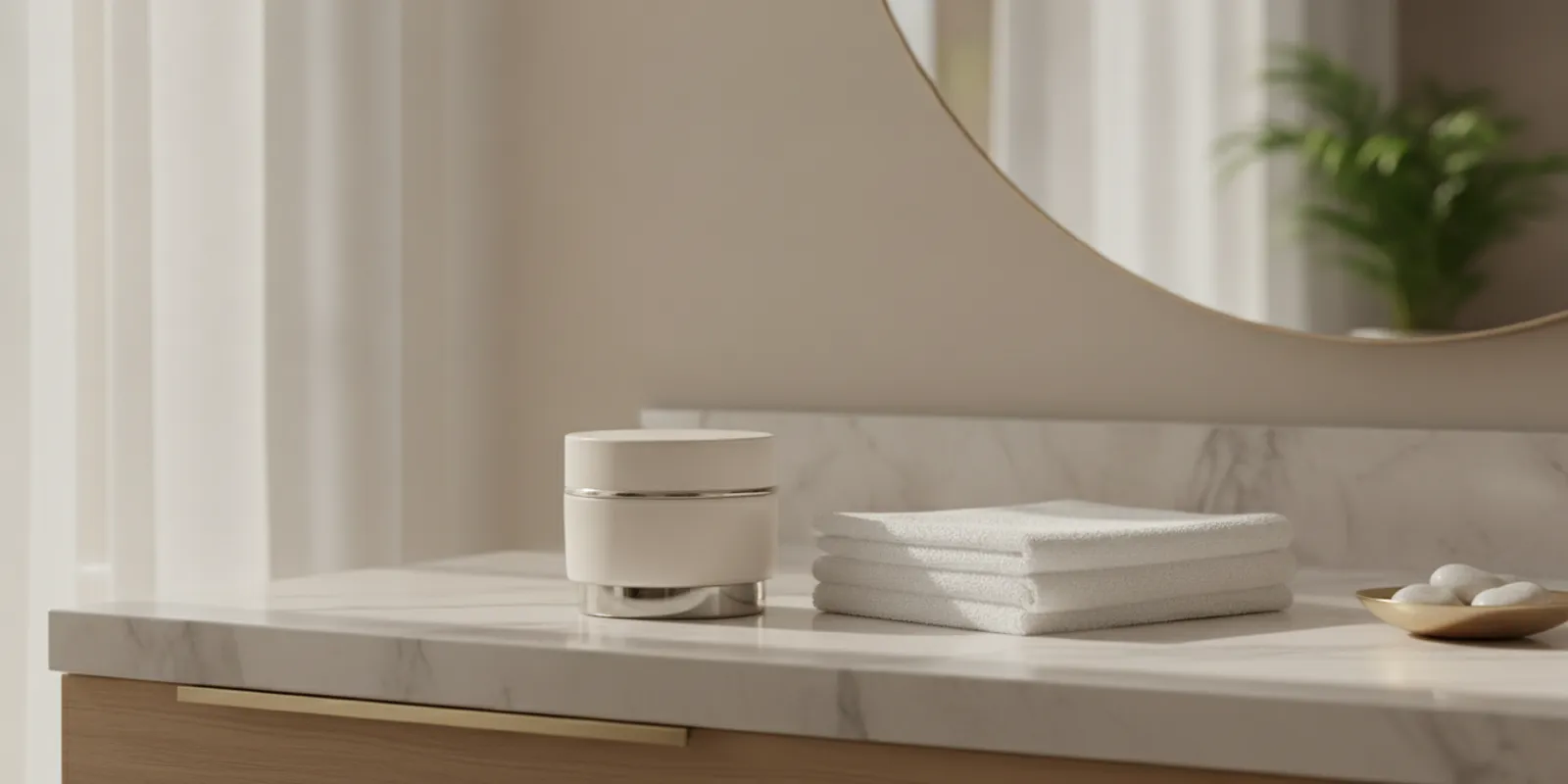
Unbranded moisturizer on a bright vanity beside a soft towel

Choosing the best moisturizer for aging skin begins with your own experience, not a number on a label. You may notice tightness after cleansing, a dry feel by late afternoon, a finish that seems too shiny, or makeup that does not sit as you prefer. In Houston, warm outdoor weather and long hours in air conditioning can make one formula feel different across a day. A thoughtful choice starts by identifying what you want your moisturizer to feel like and how it needs to fit your routine.

Request skincare appointment information

What does “best” mean when choosing a moisturizer?

There is no single moisturizer that is best for every person or every stage of life. A useful choice suits your present preferences, is intended for the way you plan to use it, feels comfortable, and fits the rest of your care routine. Age can describe a broad life stage, but it cannot tell you whether you prefer a light lotion, a richer cream, a quick-drying finish, or a cushioned feel. These decisions are personal, and the same person may prefer a different feel at different times of day.

It also helps to separate what a moisturizer can reasonably do from what you might hope it could do. A moisturizer is a home-care product that can support a comfortable, less dry feel. It cannot promise to reverse aging, correct every visible change, or address every skin condition. A product name or package claim is not a substitute for reading the directions and considering how the full formula feels on you. If you have a medical concern, a salon conversation is not a substitute for advice from a licensed healthcare professional.

Before comparing products, finish this sentence: “I want my skin to feel ______ after I apply moisturizer.” Your answer might be comfortable, soft, less tight, or not coated. Then describe when you notice the issue: immediately after washing, during a commute, beneath makeup, or after several hours indoors. These details turn a vague search into practical criteria. “I want something nourishing” may mean different things to different people; “I want a comfortable finish that does not feel heavy before makeup” is much easier to assess.

For example, someone who dislikes a tacky finish may put texture and settling time first. Someone who regularly feels tight after cleansing may want to consider both the cleanser and the moisturizer rather than assuming that a richer cream alone is the answer. Someone who feels comfortable at night but too shiny by noon may prefer to assess the daytime amount or compare a lighter texture for morning use. These are starting points for observation, not diagnoses or guarantees about a particular product.

At Bella Rinova, skincare services are personalized. If you would like to learn about available options, the salon’s skin care and facial treatments page is a useful place to begin. This guide helps you describe what you want and ask clearer questions, whether you are choosing home care on your own or planning a conversation.

Which signs can help you describe what you need?

Pay attention to how your skin feels at different points in a normal day. A single moment may not tell the whole story. Note whether the feeling is familiar or new, whether it repeats, and whether it appears alongside a recent change in cleansing, makeup, weather, or another product. These observations do not identify a condition. They help distinguish a texture preference from a concern that may need professional advice.

  • Tightness after washing: Write down which cleanser you used, how you washed, and when tightness began. Consider whether the feeling appears before moisturizer or only afterward. The product you are evaluating may not be the only step affecting comfort.
  • A dry or rough sensation later: Note the time and setting. Does it happen after a long period indoors, after outdoor activity, or at roughly the same point every day? Record the routine and amount applied rather than immediately adding several new layers.
  • A shiny or coated finish: Consider the amount, time of day, and what you put on before or after the moisturizer. A finish you dislike can be a texture issue, a layering issue, or simply a preference. You do not have to choose a richer formula because of an age category.
  • Makeup that pills, slides, or feels uncomfortable: Record the order of your morning products and how much time you allow between steps. If the same combination repeatedly feels unsuitable, note the products involved and consider changing only one variable at a time.
  • Uneven comfort between areas: You might notice a different feel on the cheeks than around the forehead or nose. Describe the areas and timing in plain language. Do not treat an informal observation as a diagnosis or apply products differently from their directions without suitable guidance.
  • A reaction that concerns you: Stop using a product that causes a troubling response. For persistent irritation, sudden changes, pain, or concern about a skin condition, contact a qualified healthcare professional.

A short note can be more helpful than a long list of products. Try writing: “After my morning wash, my cheeks feel tight within ten minutes; the moisturizer feels comfortable at first; after lunch in the office, my face feels dry again.” That account gives a skincare professional useful context. Compare it with “I need something stronger,” which does not explain when the problem occurs or what you have already tried.

Notice what you want to avoid as carefully as what you want to achieve. Perhaps you dislike fragrance, a heavy residue, a complicated routine, or a finish that interferes with makeup. If you already know that particular product characteristics have bothered you, include that history when reviewing a label or discussing options. Personal experience is relevant, but it does not establish that every product with one shared feature will feel the same.

How do moisturizer textures compare?

Texture is often the easiest place to start because it affects the immediate feel and how a product layers. Descriptions such as lotion, gel-cream, and cream are useful shorthand, but they do not promise that two products in the same category will feel alike. Formulas vary, and the amount used can change the finish. Treat the descriptions below as questions to explore rather than a ranking from least to most effective.

Texture or approach May suit this preference What to observe Comparison question
Light lotion A less substantial feel or a finish that seems easier to wear in the morning. Does your skin remain comfortable after it settles, or do you notice tightness soon afterward? Would a light feel stay comfortable through your usual day?
Gel-cream A fresh, lighter sensation, especially if rich textures feel heavy. Does it feel comfortable once settled, and does it work with your next routine step? Do you like the feel after application as much as the initial sensation?
Richer cream A more cushioned feel or a preference for a substantial texture. Does the finish feel comfortable without seeming too heavy or affecting other products? Would you want this feel every day, or mainly at a particular time?
Different textures by time of day Your schedule, surroundings, or preferences vary between morning and evening. Can you follow each product’s directions and keep the routine manageable? Is a separate daytime choice genuinely helpful, or does one formula meet your needs?

A useful comparison is not “Which texture is strongest?” but “Which texture feels right for my routine?” A rich cream may feel pleasant at night and too substantial under daytime products. A light lotion may feel elegant at first but not match your preference later. A gel-cream may be comfortable in warm weather yet feel different after a long day in air conditioning. These experiences can guide your next question, but none proves that a whole texture category is right or wrong for you.

Assess a product at the time and in the setting where you expect to use it. If morning comfort matters most, consider how it feels with your ordinary daytime routine rather than judging it only before bed. If you mainly want a comfortable evening moisturizer, consider how it feels when you are not layering makeup afterward. Follow package directions, including the stated application amount and intended area. Do not apply products to irritated or broken skin unless a qualified professional advises you to do so.

When uncertain, resist the urge to buy several textures at once. Compare a manageable number of options, use each according to its directions, and keep the rest of your routine steady when practical. A decision made from a clear comparison is more useful than a crowded shelf of products you cannot evaluate separately. You may learn that one formula is comfortable at both times of day, or that a different finish matters to you in the morning. Either result is useful.

How should you read a moisturizer label?

Labels and ingredient lists can help you compare products, but a single ingredient name cannot predict exactly how a finished formula will feel. Moisturizers may combine ingredients that attract or hold water, soften the skin’s feel, or help limit moisture loss from the surface. The overall formula, directions, amount, and your personal experience all matter. Do not treat a short marketing phrase as a guarantee of comfort or a specific result.

Begin with the basics. Confirm that the product is intended for the area where you plan to use it. Read the directions and note how often and how much the maker recommends applying. Look at cautions on the package. If you have known sensitivities, a diagnosed condition, or a history of reactions, do not rely on a broad description such as “gentle” or “for mature skin” to resolve the question. Ask an appropriate healthcare professional when the concern is medical or the label does not answer your question.

Then consider the formula in context. One moisturizer may feel light in the jar but leave a finish you do not enjoy; another may spread differently or take longer to settle. The product’s name, price tier, or prominent ingredient is not enough to tell you whether it will suit your preference. If comparing two choices, write down label details you want to remember, but give your actual experience more weight than a claim that does not address your goal.

Be cautious about building a routine around claims that suggest a moisturizer can do everything. A home-care product should not be treated as a guaranteed answer to all changes in appearance, persistent discomfort, or a medical issue. If a product is intended to be used with other products, follow its directions. If the combination is unclear, ask a qualified professional rather than guessing about order, frequency, or suitability.

Bella Rinova’s skincare product information includes professional lines such as Valmont, MBR, and 111SKIN. The salon’s pages for Valmont skincare, MBR skin care, and 111SKIN products can help you explore what the salon lists. A product page is a starting point for questions, not a substitute for reviewing a specific product’s directions or confirming whether it is suitable for you.

How can you evaluate a moisturizer without changing everything?

A simple, orderly process makes it easier to understand your own experience. A few consistent notes can help you identify whether the issue is texture, timing, amount, the surrounding routine, or a concern that deserves professional guidance. Avoid changing several products at the same time, because then it becomes difficult to tell which change mattered.

  1. Choose one question. Start with a specific concern, such as “Does this feel comfortable under my usual daytime products?” or “Do I prefer a lighter finish in the morning?” Do not judge every product feature at once.
  2. Describe the current routine. Write down what you use in the morning and evening, the order, and how often you use each item. Include recent changes. If the list is long, focus first on steps closest to the moisturizer.
  3. Keep the setting in mind. Note whether you were at home, outdoors, commuting, exercising, or in air conditioning. This does not prove a cause; it helps explain why the same product may feel different on different days.
  4. Follow directions consistently. Use the product as its label instructs. Do not compensate for discomfort by applying more than directed or using it more often. If directions are unclear, ask before improvising.
  5. Record the experience in plain words. Note how it spreads, how long it takes to feel settled to you, whether you like the finish, and what happens later. “Comfortable for the morning, too shiny under makeup” is more useful than “good” or “bad.”
  6. Make one adjustment, if appropriate. If notes point to amount or layering, address one thing at a time and remain within directions. Do not make changes to treat a medical concern without appropriate advice.
  7. Decide what you still need to know. If the product remains uncomfortable or the concern persists, stop guessing. Bring your notes and product list to a qualified professional or healthcare provider, depending on the question.

Here is a worked example. A client notices tightness after morning cleansing and assumes she needs a very rich moisturizer. Her notes over several ordinary days show that the tight feeling begins before the moisturizer is applied. She records her cleanser, washing routine, and the time the feeling appears. This does not establish a cause, but it creates a more useful question: should she review the cleansing step as well as compare moisturizer textures? Choosing a heavier product without considering the earlier step might not address the question she actually has.

Consider a second example. Someone likes a moisturizer in the evening but finds the finish too noticeable beneath makeup. The useful next steps are to record the amount used, order of products, and time before makeup. If the same experience continues when used as directed, the person can compare a different texture or ask for guidance. The lesson is not that one formula is defective; it is that a product should be evaluated in the context where it is meant to fit.

A third example involves a product that feels comfortable on a quiet day at home but less pleasant after a warm commute and several hours in a cool office. The person can note the difference without deciding that weather is the sole explanation. Surroundings, activity, amount, and other routine steps may all be relevant. A brief record helps avoid changing products based on one unusual day.

Keep this process proportional. If you already have a product that feels comfortable and works within your routine, there is no need to replace it simply because a newer product has a more elaborate label. If curious about another option, compare it carefully and keep expectations realistic. The goal is a suitable, comfortable routine, not collecting products or pursuing a guaranteed transformation.

What should you consider about Houston’s climate?

Houston’s warm, humid conditions and frequent indoor air conditioning can make skincare feel different across a normal day. Climate does not determine which moisturizer is right, and it does not replace your own observations. It gives useful context when explaining why a product feels comfortable at one time and too heavy or too light at another.

Think through a typical day rather than relying on a broad weather label. You might apply moisturizer before leaving home, spend time outdoors, sit in an air-conditioned office, and return outside later. Your preferences may differ by setting. A richer texture that feels comfortable at night could seem more substantial during a humid morning. A lighter formula that you enjoy outdoors might not feel the same after hours inside. These are individual experiences, so use them as questions to explore rather than assumptions about all Houston clients.

Try a short climate-and-routine log for a few normal days:

  1. Write down the time you apply moisturizer and whether it is morning or evening.
  2. Note the texture and amount, following package directions rather than experimenting with excess.
  3. Record the setting when you notice a change: outdoors, in a car, in an air-conditioned room, after activity, or at home.
  4. Describe the feeling without diagnosing it: dry, tight, shiny, comfortable, or coated.
  5. Include other products used and whether makeup or another layer followed.
  6. Review the notes together. Look for repeated experiences, not a single exception.

For example, if your notes say a rich moisturizer feels comfortable at bedtime but too heavy under daytime makeup, you have a clear preference to discuss: you may want a lighter daytime feel while keeping your evening routine simple. Decide whether a separate texture is worth managing, or whether a different amount or layering sequence within the directions should be considered. A two-product routine is not automatically better than one. Convenience matters too.

If your notes suggest that your skin feels dry only after a long period in conditioned air, record how often it occurs and what else was different that day. Do not assume the air is the only factor. If the sensation persists, becomes uncomfortable, or is accompanied by a concerning change, seek qualified guidance rather than treating the environment as the complete explanation.

Local context can help you explain your routine at a personalized appointment. Bella Rinova serves Houston, including the River Oaks and Galleria areas. Explore the salon’s full salon and spa services for an overview of its offerings, or review the dedicated skin care services and products page for related information.

How do you compare two moisturizers fairly?

Comparing two products is easier when you use the same criteria for both. Do not give one product a pass because its marketing sounds persuasive, or reject another based on one first impression if you have not followed its directions. The following checklist keeps the decision grounded in your actual needs.

  • Purpose: Is it intended for the area and use you have in mind? Are its directions clear?
  • Texture: Does it feel light, fresh, substantial, or otherwise suited to your preference?
  • Finish: After it settles, do you like the way your skin feels and looks to you?
  • Routine fit: Does it sit comfortably with the products you already use, in the order you use them?
  • Timing: Does it suit morning, evening, or both? What happens during the part of the day that matters most?
  • Personal history: Do you have known sensitivities or past experiences that should inform the choice?
  • Practicality: Can you use it as directed without making your routine confusing or difficult to maintain?
  • Expectations: Are you choosing it for comfort and texture rather than expecting a promised medical or age-reversing result?

Use a simple scorecard if deciding between options. Give each option a short note for “initial feel,” “after it settles,” “with my usual next step,” and “later in the day.” You do not need numerical ratings unless they help. A plain description such as “Option A: very light; comfortable until lunch; easy under makeup” is more meaningful than an unexplained score of eight out of ten.

Suppose Option A spreads easily and feels barely noticeable, but you find your skin uncomfortable later. Option B feels more substantial and remains comfortable, but you dislike its finish under makeup. Neither description alone identifies a winner. First check that you followed both labels, used them in comparable circumstances, and kept the rest of the routine steady. Then decide which trade-off matters more. If neither option feels right, do not force a choice because both are marketed to a particular age group.

Another fair comparison is one product at two different times of day, if its directions allow that use. You might find a formula comfortable at night but less suited to a humid morning. Record the difference and ask whether one flexible product or separate day and evening choices would be easier. Do not assume that buying more products is necessary. A routine that is easy to follow may be preferable to a complicated plan with marginally different textures.

Before purchasing, write a short brief: “I want a face moisturizer with a comfortable, not-too-heavy finish in the morning. I use makeup afterward. My main concern is tightness after washing, and I do not want to add several new steps.” This statement can guide a product conversation far better than “I want the best anti-aging cream.” It describes your priorities without asking a moisturizer to promise more than it can.

What common selection mistakes can you avoid?

Product choice becomes confusing when too many claims, ingredients, and opinions compete for attention. Keep the decision centered on your routine and comfort. The following missteps can lead to unnecessary purchases or make it harder to identify what works for you.

  • Choosing by age category alone: Two people of the same age can have different preferences, routines, and experiences. Use the label as context, not as a personal assessment.
  • Assuming richer means better: A thicker feel is not automatically more appropriate or more effective. If a formula feels uncomfortable or conflicts with your routine, its richness does not make it a better match.
  • Buying by one headline ingredient: A formula is more than one ingredient. Read the directions and consider the whole product and your personal history.
  • Changing the entire routine together: If several products change at once, it is difficult to tell which one influenced your experience. Introduce changes thoughtfully and keep other steps steady when practical.
  • Using more than directed: More product does not guarantee a better result and may change the finish. Follow the label rather than using extra to compensate for uncertainty.
  • Ignoring layering and timing: A moisturizer can feel different beneath other products or makeup. Evaluate it in the routine where you expect to use it.
  • Expecting one jar to address every concern: A moisturizer can be part of home care, but it is not a promise to resolve every visible change or a substitute for medical care.
  • Continuing through a concerning reaction: Do not ignore a troubling response because a product is popular or expensive. Stop using it and seek appropriate advice when needed.
  • Overlooking convenience: A product you dislike using or cannot fit into your schedule may not be a practical choice, even if its description sounds appealing.

It is easy to mistake a single day for a reliable pattern. A product may feel unusual after an atypical day, a different routine, or a change in the amount applied. Note context and look for repeated experiences. At the same time, do not dismiss persistent discomfort simply because conditions vary. If an issue continues or concerns you, get qualified advice rather than endlessly rotating through products.

Keep your goals modest and specific. “I want a comfortable texture that works with my morning routine” is actionable. “I want one product to solve all signs of aging” sets an unrealistic expectation. A clear goal helps you compare the right qualities and makes it easier to know when you have found a satisfactory option.

How should moisturizer fit into a simple daily routine?

A moisturizer is one part of a routine, so consider the steps around it before deciding that a new formula is the answer. The order and number of products can affect how the whole routine feels, especially when you add an item to familiar products. There is no need to make a routine elaborate to evaluate a moisturizer. A straightforward morning and evening outline is often easier to understand and maintain.

Start by writing the steps you already follow. Separate morning from evening, and note products you use every day versus those used only occasionally. Include cleanser, moisturizer, makeup, and any other home-care items. Do not assume every product must be used in every routine, and do not add a step solely because an article lists it. Your purpose is to understand the routine you actually have, not to build an idealized shelf of products.

Next, identify where the moisturizer belongs according to its label and directions for your other products. If one product’s instructions conflict with your assumptions about order or frequency, follow the product guidance and ask an appropriate professional if you remain unsure. When directions are not clear, guessing is less useful than getting clarification. Avoid mixing products or changing how they are used based on a general tip that was not written for your particular items.

Then ask what role you want the moisturizer to play. Is it the last home-care step before makeup? Is the main aim to make the skin feel comfortable after cleansing? Do you want a product that is easy to apply before leaving the house? A specific role helps you assess whether a texture fits. If the formula feels comfortable alone but not with another product, record the combination and timing. That observation can guide a focused question instead of an immediate full-routine replacement.

A useful routine review might look like this: “Morning: wash, use the products directed for morning, apply moisturizer, then makeup. Evening: cleanse and use the products directed for evening.” Add the names and instructions from your labels. Note where you experience tightness, shine, or an unwanted finish. This is a personal map, not a universal routine recommendation. The right order and frequency depend on the individual products and their directions.

If you already use products intended to exfoliate or otherwise change how the skin feels, do not assume that adding a richer moisturizer will make every combination appropriate. A moisturizer is not a guarantee against irritation. Avoid introducing several new products at once, and seek appropriate guidance about a persistent reaction or medical question. A simple routine is not a cure for a skin condition, but keeping track of its steps can make a useful conversation clearer.

Consider how much time you realistically want to spend. A routine that requires many separate products may not suit someone who wants an uncomplicated morning. Conversely, a person who enjoys a deliberate evening routine may be comfortable with a few additional steps, provided each product is appropriate for its use and directions. Practicality is part of fit. If a routine is difficult to remember, the comparison becomes harder and consistency may suffer.

How can you tell whether the moisturizer or another step is the issue?

When a product does not feel right, it is tempting to blame the most recent item. Sometimes that is a reasonable place to investigate, but the entire context matters. The cleanser, timing, amount, other layers, makeup, and environment may all influence what you notice. This does not mean you should attempt to diagnose the cause on your own. It means you can gather a more complete description before making a decision.

Use timing as a clue. If discomfort begins before you apply moisturizer, the moisturizer cannot be the only step worth considering. If the skin feels comfortable until another product is layered on top, note that sequence. If an unwanted finish appears only under makeup, describe the combination and time between steps. If the change is sudden or persists regardless of routine, do not keep experimenting without suitable advice.

For a focused review, make a small timeline for one typical morning. Record when you cleanse, apply moisturizer, add other products, and first notice a change. Use approximate times rather than documenting every minute. For example: “Washed at 7:00; applied moisturizer at 7:05; makeup at 7:15; noticed a coated feel before lunch.” The timeline helps separate what happened before application from what happened afterward.

Then check whether anything else changed around the same time. Did you start a new cleanser, change the amount of moisturizer, travel, spend more hours outdoors, or use makeup differently? Note details without making assumptions. If several things changed, it may be impossible to identify one cause from memory alone. That is a reason to keep future comparisons simple, not to make an unsupported conclusion.

Imagine that a moisturizer felt pleasant for weeks and then seemed uncomfortable after you added a new morning layer. Record the new sequence and review the directions for each product. If the issue repeats, ask a qualified professional about the combination or consider whether one change at a time can clarify the experience. Do not continue through a troubling reaction simply to complete a comparison. Appropriate medical advice comes before a product experiment.

Another example: your skin feels dry by late afternoon, but the moisturizer feels comfortable immediately after application. That pattern is worth describing, but it does not automatically mean you need to reapply, use more, or switch to a heavier formula. Check the label for directions and consider other relevant factors. If the concern is persistent or uncomfortable, ask for professional guidance instead of inventing an application schedule.

Careful observation is especially useful when several products are part of a routine. It can prevent you from replacing a product that is not connected to the experience, while still leaving room to change a product that repeatedly does not suit you. Keep notes factual: what you used, when you applied it, what you noticed, and what changed. Leave diagnosis and treatment decisions to qualified professionals.

What should you look for before purchasing?

Before choosing a product, pause to check whether it answers the question you set for yourself. A useful purchase is not necessarily the one with the longest ingredient list or most elaborate packaging. It is an option whose intended use, texture, directions, and routine fit make sense for your preferences. A few careful checks can keep the decision focused.

  1. Restate your main goal. Keep it concrete: “I want a comfortable morning texture that does not feel heavy under my usual makeup.” Avoid broad goals that no moisturizer can guarantee.
  2. Read the intended use. Confirm that it is for the area you have in mind and review directions and cautions. Do not rely only on the front label.
  3. Review the full ingredient information. If you have a known sensitivity or a personal reason to avoid a feature, check the complete information and ask when unsure. Do not assume a general marketing term resolves an individual concern.
  4. Consider your actual schedule. Think about whether you need a morning product, an evening product, or one formula that suits both. Do not purchase separate products merely because the routine could be more elaborate.
  5. Consider the rest of your routine. Check whether the product can be used alongside existing steps as directed. If you cannot tell, seek clarification before adding it.
  6. Plan how you will judge it. Decide what a comfortable result means: feel after settling, performance with your usual next step, or comfort later in the day. This prevents a moving target.
  7. Keep a record of first use. Note when you began, what else you applied, and any immediate concerns. If it feels troubling, stop and seek appropriate advice rather than forcing continued use.

Distinguish questions a product label can answer from questions it cannot. The label can tell you the maker’s directions, intended use, listed ingredients, and warnings. It cannot predict your personal preference or establish what is causing a persistent concern. Your experience informs comfort, while a healthcare professional is the appropriate resource for medical assessment. Knowing which kind of question you are asking helps you choose the right next step.

Do not let a high price or luxury description replace these checks. A premium product can be appealing, but you still need to know what it is intended for and whether the texture suits you. A simple product should not be dismissed just because it makes fewer claims. Bella Rinova offers a curated range of professional beauty products, but this guide does not recommend a particular moisturizer or claim that one item is right for every reader. Ask about current options and suitability directly.

For readers who prefer professional input, a service or product conversation can make the process more personal. Bring the exact product name or a clear photograph of the label, rather than relying on memory. Mention what you hoped it would do, how you used it, what it felt like, and whether anything else changed. That information keeps a discussion grounded in the product and your experience.

How might different readers work through the choice?

It can be easier to apply the decision process to familiar situations. These examples are illustrative, not diagnoses or product recommendations. Each one shows how a clear question and a small amount of observation can lead to a more useful next step.

Case one: tightness right after cleansing

Suppose a reader notices tightness a few minutes after washing, before applying any other product. Instead of immediately buying the richest moisturizer available, she writes down the cleanser, washing routine, and when the feeling begins. She notes whether tightness occurs every morning or only after certain days. Her question becomes, “What should I review about the cleansing step and moisturizer together?” That is more precise than assuming a particular cream will solve the concern. If the sensation is persistent or troubling, she seeks qualified advice.

Case two: comfortable at night, too heavy in the morning

Another reader likes the cushioned feel of an evening moisturizer but dislikes it under daytime makeup. She records the amount used, product order, and time before makeup. She checks the directions and considers whether a lighter daytime texture would be more comfortable, or whether one product is sufficient if the routine changes. The choice depends on her preference and practical habits. She does not have to maintain separate products unless doing so genuinely serves her routine.

Case three: a light formula feels pleasant but not comfortable for long

A reader chooses a light lotion because heavier textures have felt coated in the past. The initial finish is pleasant, but she notices discomfort later. She notes when it happens, what else she used, and the setting. She avoids applying more than directed and does not change several products at once. If the experience repeats, she can compare another formula or ask a qualified professional about options. The information does not prove that all light lotions are unsuitable; it clarifies the trade-off she is experiencing.

Case four: comfort changes between outdoors and an office

A Houston client feels comfortable on a day spent mostly outdoors but notices a dry sensation after a long afternoon in an air-conditioned office. She records the routine and setting over several ordinary days. She does not conclude that the office alone caused the change. The notes give her a pattern to discuss and help determine whether it recurs. If it becomes persistent or concerning, she seeks appropriate professional guidance.

Case five: a product causes a troubling reaction

A reader experiences a response that concerns her after starting a new product. She does not keep applying it to see whether she can adapt. She stops using it and contacts a licensed healthcare professional for appropriate guidance, especially if the response persists or is severe. She keeps the packaging or notes the product name and timing so she can share accurate information. This is different from a preference for a lighter or richer finish and should not be handled as an ordinary texture comparison.

Across each case, the method is the same: describe the experience, note timing and context, follow directions, make only a manageable change when appropriate, and use the right kind of professional help. A specific question is often more valuable than a product wish list. It allows you to make a considered decision without expecting a moisturizer to solve something it was not designed to address.

What information is useful to bring to a consultation?

If you choose to speak with a skincare professional, a little preparation can make the conversation efficient without turning it into homework. Bring a short list of current products or their names, the directions you follow, and the main experience you want to discuss. If packaging is available, bring it or take a clear photograph of the label. Note how long the concern has been present and whether anything changed around the same time.

Prepare a short account with four details: what you notice, when it happens, what you used beforehand, and what you have already tried. For example: “I prefer a light daytime finish. My skin feels tight after cleansing, and I have not changed my moisturizer. I use makeup afterward, and I want to know what questions to ask about texture and order.” This is specific but leaves room for follow-up questions.

Also decide what kind of guidance you are seeking. You may want to understand the salon’s non-invasive skincare services, discuss home-care preferences, or ask how to prepare for an appointment. If the concern is medical, say so and consult a licensed healthcare professional. A beauty service conversation can address service information and personal preferences, but it should not be treated as medical diagnosis or treatment.

Bella Rinova has served Houston since 1999 and offers hair, skin, nail, and other beauty services under one roof. Its skincare services are personalized, and an appointment conversation can help you learn what options are available. To explore appointment information, use the salon’s contact page. Ask directly about current service details and product availability rather than assuming a general article confirms them.

What should you remember when choosing?

The best moisturizer for aging skin is not defined by a label or the richest texture on the shelf. Start with a specific comfort goal, notice when the issue occurs, read directions, and compare the complete experience in your real routine. Consider Houston’s indoor and outdoor settings as context, make changes one at a time, and seek qualified medical advice for persistent or concerning symptoms.

Keep a short checklist in mind: the product’s intended use, the texture you prefer, how it feels after it settles, how it fits your routine, and whether your expectations are realistic. When a question becomes medical, choose the appropriate healthcare resource. When the question is about personal preferences or salon services, a tailored conversation may help you decide what to explore next.

Contact Bella Rinova about skincare appointments

Choose a moisturizer for how it fits your needs today, and keep expectations grounded in comfort, clear information, and consistent use as directed.

Frequently asked questions

Should moisturizer be different as skin ages?

Not automatically. Your preferences and routine may change, but age by itself cannot identify the right formula. Consider current comfort, texture, directions, and how the product fits your day. Ask a healthcare professional about a medical concern rather than relying on an age-based product label.

Is a thicker moisturizer always better for dry-feeling skin?

No. A richer texture may suit someone who likes a cushioned feel, while another person may find it too heavy. Notice when dryness occurs, how the product feels after it settles, and whether the rest of your routine may also be relevant. Follow directions and seek guidance for persistent discomfort.

Can I use one moisturizer in the morning and at night?

That depends on the product directions and your preferences. If one formula feels comfortable at both times and works with your routine, a second product may not be necessary. If the finish feels different by time of day, record what happens and compare options without making several routine changes at once.

When should I ask a healthcare professional?

Seek advice from a licensed healthcare professional for persistent irritation, pain, sudden changes, a diagnosed skin condition, or any concern that may need medical evaluation. Stop using a product that causes a troubling reaction. A salon skincare conversation can address personal preferences and service information, but it does not replace medical care.

Share:
Salon Hours
Mon: 9AM - 3PM
Tue, Wed, Fri: 9AM - 6PM
Thur: 9AM - 7PM
Sat: 9AM - 4PM
Contact Us
  • (713) 572-0022
  • info@bellarinova.com
  • 4444 Westheimer Rd, Ste H200
    Houston, TX 77027
Bella Rinova is proud to serve clients in the River Oaks, Galleria, and Houston area.
© 2026
Bella Rinova Salon
Built and Powered by Salon.Marketing

Appointment Request

"*" indicates required fields

This field is for validation purposes and should be left unchanged.

Request Appointment

"*" indicates required fields

This field is for validation purposes and should be left unchanged.

Best Moisturizer for Aging Skin

Unbranded moisturizer on a bright vanity beside a soft towel

Choosing the best moisturizer for aging skin begins with your own experience, not a number on a label. You may notice tightness after cleansing, a dry feel by late afternoon, a finish that seems too shiny, or makeup that does not sit as you prefer. In Houston, warm outdoor weather and long hours in air conditioning can make one formula feel different across a day. A thoughtful choice starts by identifying what you want your moisturizer to feel like and how it needs to fit your routine.

Request skincare appointment information

What does “best” mean when choosing a moisturizer?

There is no single moisturizer that is best for every person or every stage of life. A useful choice suits your present preferences, is intended for the way you plan to use it, feels comfortable, and fits the rest of your care routine. Age can describe a broad life stage, but it cannot tell you whether you prefer a light lotion, a richer cream, a quick-drying finish, or a cushioned feel. These decisions are personal, and the same person may prefer a different feel at different times of day.

It also helps to separate what a moisturizer can reasonably do from what you might hope it could do. A moisturizer is a home-care product that can support a comfortable, less dry feel. It cannot promise to reverse aging, correct every visible change, or address every skin condition. A product name or package claim is not a substitute for reading the directions and considering how the full formula feels on you. If you have a medical concern, a salon conversation is not a substitute for advice from a licensed healthcare professional.

Before comparing products, finish this sentence: “I want my skin to feel ______ after I apply moisturizer.” Your answer might be comfortable, soft, less tight, or not coated. Then describe when you notice the issue: immediately after washing, during a commute, beneath makeup, or after several hours indoors. These details turn a vague search into practical criteria. “I want something nourishing” may mean different things to different people; “I want a comfortable finish that does not feel heavy before makeup” is much easier to assess.

For example, someone who dislikes a tacky finish may put texture and settling time first. Someone who regularly feels tight after cleansing may want to consider both the cleanser and the moisturizer rather than assuming that a richer cream alone is the answer. Someone who feels comfortable at night but too shiny by noon may prefer to assess the daytime amount or compare a lighter texture for morning use. These are starting points for observation, not diagnoses or guarantees about a particular product.

At Bella Rinova, skincare services are personalized. If you would like to learn about available options, the salon’s skin care and facial treatments page is a useful place to begin. This guide helps you describe what you want and ask clearer questions, whether you are choosing home care on your own or planning a conversation.

Which signs can help you describe what you need?

Pay attention to how your skin feels at different points in a normal day. A single moment may not tell the whole story. Note whether the feeling is familiar or new, whether it repeats, and whether it appears alongside a recent change in cleansing, makeup, weather, or another product. These observations do not identify a condition. They help distinguish a texture preference from a concern that may need professional advice.

  • Tightness after washing: Write down which cleanser you used, how you washed, and when tightness began. Consider whether the feeling appears before moisturizer or only afterward. The product you are evaluating may not be the only step affecting comfort.
  • A dry or rough sensation later: Note the time and setting. Does it happen after a long period indoors, after outdoor activity, or at roughly the same point every day? Record the routine and amount applied rather than immediately adding several new layers.
  • A shiny or coated finish: Consider the amount, time of day, and what you put on before or after the moisturizer. A finish you dislike can be a texture issue, a layering issue, or simply a preference. You do not have to choose a richer formula because of an age category.
  • Makeup that pills, slides, or feels uncomfortable: Record the order of your morning products and how much time you allow between steps. If the same combination repeatedly feels unsuitable, note the products involved and consider changing only one variable at a time.
  • Uneven comfort between areas: You might notice a different feel on the cheeks than around the forehead or nose. Describe the areas and timing in plain language. Do not treat an informal observation as a diagnosis or apply products differently from their directions without suitable guidance.
  • A reaction that concerns you: Stop using a product that causes a troubling response. For persistent irritation, sudden changes, pain, or concern about a skin condition, contact a qualified healthcare professional.

A short note can be more helpful than a long list of products. Try writing: “After my morning wash, my cheeks feel tight within ten minutes; the moisturizer feels comfortable at first; after lunch in the office, my face feels dry again.” That account gives a skincare professional useful context. Compare it with “I need something stronger,” which does not explain when the problem occurs or what you have already tried.

Notice what you want to avoid as carefully as what you want to achieve. Perhaps you dislike fragrance, a heavy residue, a complicated routine, or a finish that interferes with makeup. If you already know that particular product characteristics have bothered you, include that history when reviewing a label or discussing options. Personal experience is relevant, but it does not establish that every product with one shared feature will feel the same.

How do moisturizer textures compare?

Texture is often the easiest place to start because it affects the immediate feel and how a product layers. Descriptions such as lotion, gel-cream, and cream are useful shorthand, but they do not promise that two products in the same category will feel alike. Formulas vary, and the amount used can change the finish. Treat the descriptions below as questions to explore rather than a ranking from least to most effective.

Texture or approach May suit this preference What to observe Comparison question
Light lotion A less substantial feel or a finish that seems easier to wear in the morning. Does your skin remain comfortable after it settles, or do you notice tightness soon afterward? Would a light feel stay comfortable through your usual day?
Gel-cream A fresh, lighter sensation, especially if rich textures feel heavy. Does it feel comfortable once settled, and does it work with your next routine step? Do you like the feel after application as much as the initial sensation?
Richer cream A more cushioned feel or a preference for a substantial texture. Does the finish feel comfortable without seeming too heavy or affecting other products? Would you want this feel every day, or mainly at a particular time?
Different textures by time of day Your schedule, surroundings, or preferences vary between morning and evening. Can you follow each product’s directions and keep the routine manageable? Is a separate daytime choice genuinely helpful, or does one formula meet your needs?

A useful comparison is not “Which texture is strongest?” but “Which texture feels right for my routine?” A rich cream may feel pleasant at night and too substantial under daytime products. A light lotion may feel elegant at first but not match your preference later. A gel-cream may be comfortable in warm weather yet feel different after a long day in air conditioning. These experiences can guide your next question, but none proves that a whole texture category is right or wrong for you.

Assess a product at the time and in the setting where you expect to use it. If morning comfort matters most, consider how it feels with your ordinary daytime routine rather than judging it only before bed. If you mainly want a comfortable evening moisturizer, consider how it feels when you are not layering makeup afterward. Follow package directions, including the stated application amount and intended area. Do not apply products to irritated or broken skin unless a qualified professional advises you to do so.

When uncertain, resist the urge to buy several textures at once. Compare a manageable number of options, use each according to its directions, and keep the rest of your routine steady when practical. A decision made from a clear comparison is more useful than a crowded shelf of products you cannot evaluate separately. You may learn that one formula is comfortable at both times of day, or that a different finish matters to you in the morning. Either result is useful.

How should you read a moisturizer label?

Labels and ingredient lists can help you compare products, but a single ingredient name cannot predict exactly how a finished formula will feel. Moisturizers may combine ingredients that attract or hold water, soften the skin’s feel, or help limit moisture loss from the surface. The overall formula, directions, amount, and your personal experience all matter. Do not treat a short marketing phrase as a guarantee of comfort or a specific result.

Begin with the basics. Confirm that the product is intended for the area where you plan to use it. Read the directions and note how often and how much the maker recommends applying. Look at cautions on the package. If you have known sensitivities, a diagnosed condition, or a history of reactions, do not rely on a broad description such as “gentle” or “for mature skin” to resolve the question. Ask an appropriate healthcare professional when the concern is medical or the label does not answer your question.

Then consider the formula in context. One moisturizer may feel light in the jar but leave a finish you do not enjoy; another may spread differently or take longer to settle. The product’s name, price tier, or prominent ingredient is not enough to tell you whether it will suit your preference. If comparing two choices, write down label details you want to remember, but give your actual experience more weight than a claim that does not address your goal.

Be cautious about building a routine around claims that suggest a moisturizer can do everything. A home-care product should not be treated as a guaranteed answer to all changes in appearance, persistent discomfort, or a medical issue. If a product is intended to be used with other products, follow its directions. If the combination is unclear, ask a qualified professional rather than guessing about order, frequency, or suitability.

Bella Rinova’s skincare product information includes professional lines such as Valmont, MBR, and 111SKIN. The salon’s pages for Valmont skincare, MBR skin care, and 111SKIN products can help you explore what the salon lists. A product page is a starting point for questions, not a substitute for reviewing a specific product’s directions or confirming whether it is suitable for you.

How can you evaluate a moisturizer without changing everything?

A simple, orderly process makes it easier to understand your own experience. A few consistent notes can help you identify whether the issue is texture, timing, amount, the surrounding routine, or a concern that deserves professional guidance. Avoid changing several products at the same time, because then it becomes difficult to tell which change mattered.

  1. Choose one question. Start with a specific concern, such as “Does this feel comfortable under my usual daytime products?” or “Do I prefer a lighter finish in the morning?” Do not judge every product feature at once.
  2. Describe the current routine. Write down what you use in the morning and evening, the order, and how often you use each item. Include recent changes. If the list is long, focus first on steps closest to the moisturizer.
  3. Keep the setting in mind. Note whether you were at home, outdoors, commuting, exercising, or in air conditioning. This does not prove a cause; it helps explain why the same product may feel different on different days.
  4. Follow directions consistently. Use the product as its label instructs. Do not compensate for discomfort by applying more than directed or using it more often. If directions are unclear, ask before improvising.
  5. Record the experience in plain words. Note how it spreads, how long it takes to feel settled to you, whether you like the finish, and what happens later. “Comfortable for the morning, too shiny under makeup” is more useful than “good” or “bad.”
  6. Make one adjustment, if appropriate. If notes point to amount or layering, address one thing at a time and remain within directions. Do not make changes to treat a medical concern without appropriate advice.
  7. Decide what you still need to know. If the product remains uncomfortable or the concern persists, stop guessing. Bring your notes and product list to a qualified professional or healthcare provider, depending on the question.

Here is a worked example. A client notices tightness after morning cleansing and assumes she needs a very rich moisturizer. Her notes over several ordinary days show that the tight feeling begins before the moisturizer is applied. She records her cleanser, washing routine, and the time the feeling appears. This does not establish a cause, but it creates a more useful question: should she review the cleansing step as well as compare moisturizer textures? Choosing a heavier product without considering the earlier step might not address the question she actually has.

Consider a second example. Someone likes a moisturizer in the evening but finds the finish too noticeable beneath makeup. The useful next steps are to record the amount used, order of products, and time before makeup. If the same experience continues when used as directed, the person can compare a different texture or ask for guidance. The lesson is not that one formula is defective; it is that a product should be evaluated in the context where it is meant to fit.

A third example involves a product that feels comfortable on a quiet day at home but less pleasant after a warm commute and several hours in a cool office. The person can note the difference without deciding that weather is the sole explanation. Surroundings, activity, amount, and other routine steps may all be relevant. A brief record helps avoid changing products based on one unusual day.

Keep this process proportional. If you already have a product that feels comfortable and works within your routine, there is no need to replace it simply because a newer product has a more elaborate label. If curious about another option, compare it carefully and keep expectations realistic. The goal is a suitable, comfortable routine, not collecting products or pursuing a guaranteed transformation.

What should you consider about Houston’s climate?

Houston’s warm, humid conditions and frequent indoor air conditioning can make skincare feel different across a normal day. Climate does not determine which moisturizer is right, and it does not replace your own observations. It gives useful context when explaining why a product feels comfortable at one time and too heavy or too light at another.

Think through a typical day rather than relying on a broad weather label. You might apply moisturizer before leaving home, spend time outdoors, sit in an air-conditioned office, and return outside later. Your preferences may differ by setting. A richer texture that feels comfortable at night could seem more substantial during a humid morning. A lighter formula that you enjoy outdoors might not feel the same after hours inside. These are individual experiences, so use them as questions to explore rather than assumptions about all Houston clients.

Try a short climate-and-routine log for a few normal days:

  1. Write down the time you apply moisturizer and whether it is morning or evening.
  2. Note the texture and amount, following package directions rather than experimenting with excess.
  3. Record the setting when you notice a change: outdoors, in a car, in an air-conditioned room, after activity, or at home.
  4. Describe the feeling without diagnosing it: dry, tight, shiny, comfortable, or coated.
  5. Include other products used and whether makeup or another layer followed.
  6. Review the notes together. Look for repeated experiences, not a single exception.

For example, if your notes say a rich moisturizer feels comfortable at bedtime but too heavy under daytime makeup, you have a clear preference to discuss: you may want a lighter daytime feel while keeping your evening routine simple. Decide whether a separate texture is worth managing, or whether a different amount or layering sequence within the directions should be considered. A two-product routine is not automatically better than one. Convenience matters too.

If your notes suggest that your skin feels dry only after a long period in conditioned air, record how often it occurs and what else was different that day. Do not assume the air is the only factor. If the sensation persists, becomes uncomfortable, or is accompanied by a concerning change, seek qualified guidance rather than treating the environment as the complete explanation.

Local context can help you explain your routine at a personalized appointment. Bella Rinova serves Houston, including the River Oaks and Galleria areas. Explore the salon’s full salon and spa services for an overview of its offerings, or review the dedicated skin care services and products page for related information.

How do you compare two moisturizers fairly?

Comparing two products is easier when you use the same criteria for both. Do not give one product a pass because its marketing sounds persuasive, or reject another based on one first impression if you have not followed its directions. The following checklist keeps the decision grounded in your actual needs.

  • Purpose: Is it intended for the area and use you have in mind? Are its directions clear?
  • Texture: Does it feel light, fresh, substantial, or otherwise suited to your preference?
  • Finish: After it settles, do you like the way your skin feels and looks to you?
  • Routine fit: Does it sit comfortably with the products you already use, in the order you use them?
  • Timing: Does it suit morning, evening, or both? What happens during the part of the day that matters most?
  • Personal history: Do you have known sensitivities or past experiences that should inform the choice?
  • Practicality: Can you use it as directed without making your routine confusing or difficult to maintain?
  • Expectations: Are you choosing it for comfort and texture rather than expecting a promised medical or age-reversing result?

Use a simple scorecard if deciding between options. Give each option a short note for “initial feel,” “after it settles,” “with my usual next step,” and “later in the day.” You do not need numerical ratings unless they help. A plain description such as “Option A: very light; comfortable until lunch; easy under makeup” is more meaningful than an unexplained score of eight out of ten.

Suppose Option A spreads easily and feels barely noticeable, but you find your skin uncomfortable later. Option B feels more substantial and remains comfortable, but you dislike its finish under makeup. Neither description alone identifies a winner. First check that you followed both labels, used them in comparable circumstances, and kept the rest of the routine steady. Then decide which trade-off matters more. If neither option feels right, do not force a choice because both are marketed to a particular age group.

Another fair comparison is one product at two different times of day, if its directions allow that use. You might find a formula comfortable at night but less suited to a humid morning. Record the difference and ask whether one flexible product or separate day and evening choices would be easier. Do not assume that buying more products is necessary. A routine that is easy to follow may be preferable to a complicated plan with marginally different textures.

Before purchasing, write a short brief: “I want a face moisturizer with a comfortable, not-too-heavy finish in the morning. I use makeup afterward. My main concern is tightness after washing, and I do not want to add several new steps.” This statement can guide a product conversation far better than “I want the best anti-aging cream.” It describes your priorities without asking a moisturizer to promise more than it can.

What common selection mistakes can you avoid?

Product choice becomes confusing when too many claims, ingredients, and opinions compete for attention. Keep the decision centered on your routine and comfort. The following missteps can lead to unnecessary purchases or make it harder to identify what works for you.

  • Choosing by age category alone: Two people of the same age can have different preferences, routines, and experiences. Use the label as context, not as a personal assessment.
  • Assuming richer means better: A thicker feel is not automatically more appropriate or more effective. If a formula feels uncomfortable or conflicts with your routine, its richness does not make it a better match.
  • Buying by one headline ingredient: A formula is more than one ingredient. Read the directions and consider the whole product and your personal history.
  • Changing the entire routine together: If several products change at once, it is difficult to tell which one influenced your experience. Introduce changes thoughtfully and keep other steps steady when practical.
  • Using more than directed: More product does not guarantee a better result and may change the finish. Follow the label rather than using extra to compensate for uncertainty.
  • Ignoring layering and timing: A moisturizer can feel different beneath other products or makeup. Evaluate it in the routine where you expect to use it.
  • Expecting one jar to address every concern: A moisturizer can be part of home care, but it is not a promise to resolve every visible change or a substitute for medical care.
  • Continuing through a concerning reaction: Do not ignore a troubling response because a product is popular or expensive. Stop using it and seek appropriate advice when needed.
  • Overlooking convenience: A product you dislike using or cannot fit into your schedule may not be a practical choice, even if its description sounds appealing.

It is easy to mistake a single day for a reliable pattern. A product may feel unusual after an atypical day, a different routine, or a change in the amount applied. Note context and look for repeated experiences. At the same time, do not dismiss persistent discomfort simply because conditions vary. If an issue continues or concerns you, get qualified advice rather than endlessly rotating through products.

Keep your goals modest and specific. “I want a comfortable texture that works with my morning routine” is actionable. “I want one product to solve all signs of aging” sets an unrealistic expectation. A clear goal helps you compare the right qualities and makes it easier to know when you have found a satisfactory option.

How should moisturizer fit into a simple daily routine?

A moisturizer is one part of a routine, so consider the steps around it before deciding that a new formula is the answer. The order and number of products can affect how the whole routine feels, especially when you add an item to familiar products. There is no need to make a routine elaborate to evaluate a moisturizer. A straightforward morning and evening outline is often easier to understand and maintain.

Start by writing the steps you already follow. Separate morning from evening, and note products you use every day versus those used only occasionally. Include cleanser, moisturizer, makeup, and any other home-care items. Do not assume every product must be used in every routine, and do not add a step solely because an article lists it. Your purpose is to understand the routine you actually have, not to build an idealized shelf of products.

Next, identify where the moisturizer belongs according to its label and directions for your other products. If one product’s instructions conflict with your assumptions about order or frequency, follow the product guidance and ask an appropriate professional if you remain unsure. When directions are not clear, guessing is less useful than getting clarification. Avoid mixing products or changing how they are used based on a general tip that was not written for your particular items.

Then ask what role you want the moisturizer to play. Is it the last home-care step before makeup? Is the main aim to make the skin feel comfortable after cleansing? Do you want a product that is easy to apply before leaving the house? A specific role helps you assess whether a texture fits. If the formula feels comfortable alone but not with another product, record the combination and timing. That observation can guide a focused question instead of an immediate full-routine replacement.

A useful routine review might look like this: “Morning: wash, use the products directed for morning, apply moisturizer, then makeup. Evening: cleanse and use the products directed for evening.” Add the names and instructions from your labels. Note where you experience tightness, shine, or an unwanted finish. This is a personal map, not a universal routine recommendation. The right order and frequency depend on the individual products and their directions.

If you already use products intended to exfoliate or otherwise change how the skin feels, do not assume that adding a richer moisturizer will make every combination appropriate. A moisturizer is not a guarantee against irritation. Avoid introducing several new products at once, and seek appropriate guidance about a persistent reaction or medical question. A simple routine is not a cure for a skin condition, but keeping track of its steps can make a useful conversation clearer.

Consider how much time you realistically want to spend. A routine that requires many separate products may not suit someone who wants an uncomplicated morning. Conversely, a person who enjoys a deliberate evening routine may be comfortable with a few additional steps, provided each product is appropriate for its use and directions. Practicality is part of fit. If a routine is difficult to remember, the comparison becomes harder and consistency may suffer.

How can you tell whether the moisturizer or another step is the issue?

When a product does not feel right, it is tempting to blame the most recent item. Sometimes that is a reasonable place to investigate, but the entire context matters. The cleanser, timing, amount, other layers, makeup, and environment may all influence what you notice. This does not mean you should attempt to diagnose the cause on your own. It means you can gather a more complete description before making a decision.

Use timing as a clue. If discomfort begins before you apply moisturizer, the moisturizer cannot be the only step worth considering. If the skin feels comfortable until another product is layered on top, note that sequence. If an unwanted finish appears only under makeup, describe the combination and time between steps. If the change is sudden or persists regardless of routine, do not keep experimenting without suitable advice.

For a focused review, make a small timeline for one typical morning. Record when you cleanse, apply moisturizer, add other products, and first notice a change. Use approximate times rather than documenting every minute. For example: “Washed at 7:00; applied moisturizer at 7:05; makeup at 7:15; noticed a coated feel before lunch.” The timeline helps separate what happened before application from what happened afterward.

Then check whether anything else changed around the same time. Did you start a new cleanser, change the amount of moisturizer, travel, spend more hours outdoors, or use makeup differently? Note details without making assumptions. If several things changed, it may be impossible to identify one cause from memory alone. That is a reason to keep future comparisons simple, not to make an unsupported conclusion.

Imagine that a moisturizer felt pleasant for weeks and then seemed uncomfortable after you added a new morning layer. Record the new sequence and review the directions for each product. If the issue repeats, ask a qualified professional about the combination or consider whether one change at a time can clarify the experience. Do not continue through a troubling reaction simply to complete a comparison. Appropriate medical advice comes before a product experiment.

Another example: your skin feels dry by late afternoon, but the moisturizer feels comfortable immediately after application. That pattern is worth describing, but it does not automatically mean you need to reapply, use more, or switch to a heavier formula. Check the label for directions and consider other relevant factors. If the concern is persistent or uncomfortable, ask for professional guidance instead of inventing an application schedule.

Careful observation is especially useful when several products are part of a routine. It can prevent you from replacing a product that is not connected to the experience, while still leaving room to change a product that repeatedly does not suit you. Keep notes factual: what you used, when you applied it, what you noticed, and what changed. Leave diagnosis and treatment decisions to qualified professionals.

What should you look for before purchasing?

Before choosing a product, pause to check whether it answers the question you set for yourself. A useful purchase is not necessarily the one with the longest ingredient list or most elaborate packaging. It is an option whose intended use, texture, directions, and routine fit make sense for your preferences. A few careful checks can keep the decision focused.

  1. Restate your main goal. Keep it concrete: “I want a comfortable morning texture that does not feel heavy under my usual makeup.” Avoid broad goals that no moisturizer can guarantee.
  2. Read the intended use. Confirm that it is for the area you have in mind and review directions and cautions. Do not rely only on the front label.
  3. Review the full ingredient information. If you have a known sensitivity or a personal reason to avoid a feature, check the complete information and ask when unsure. Do not assume a general marketing term resolves an individual concern.
  4. Consider your actual schedule. Think about whether you need a morning product, an evening product, or one formula that suits both. Do not purchase separate products merely because the routine could be more elaborate.
  5. Consider the rest of your routine. Check whether the product can be used alongside existing steps as directed. If you cannot tell, seek clarification before adding it.
  6. Plan how you will judge it. Decide what a comfortable result means: feel after settling, performance with your usual next step, or comfort later in the day. This prevents a moving target.
  7. Keep a record of first use. Note when you began, what else you applied, and any immediate concerns. If it feels troubling, stop and seek appropriate advice rather than forcing continued use.

Distinguish questions a product label can answer from questions it cannot. The label can tell you the maker’s directions, intended use, listed ingredients, and warnings. It cannot predict your personal preference or establish what is causing a persistent concern. Your experience informs comfort, while a healthcare professional is the appropriate resource for medical assessment. Knowing which kind of question you are asking helps you choose the right next step.

Do not let a high price or luxury description replace these checks. A premium product can be appealing, but you still need to know what it is intended for and whether the texture suits you. A simple product should not be dismissed just because it makes fewer claims. Bella Rinova offers a curated range of professional beauty products, but this guide does not recommend a particular moisturizer or claim that one item is right for every reader. Ask about current options and suitability directly.

For readers who prefer professional input, a service or product conversation can make the process more personal. Bring the exact product name or a clear photograph of the label, rather than relying on memory. Mention what you hoped it would do, how you used it, what it felt like, and whether anything else changed. That information keeps a discussion grounded in the product and your experience.

How might different readers work through the choice?

It can be easier to apply the decision process to familiar situations. These examples are illustrative, not diagnoses or product recommendations. Each one shows how a clear question and a small amount of observation can lead to a more useful next step.

Case one: tightness right after cleansing

Suppose a reader notices tightness a few minutes after washing, before applying any other product. Instead of immediately buying the richest moisturizer available, she writes down the cleanser, washing routine, and when the feeling begins. She notes whether tightness occurs every morning or only after certain days. Her question becomes, “What should I review about the cleansing step and moisturizer together?” That is more precise than assuming a particular cream will solve the concern. If the sensation is persistent or troubling, she seeks qualified advice.

Case two: comfortable at night, too heavy in the morning

Another reader likes the cushioned feel of an evening moisturizer but dislikes it under daytime makeup. She records the amount used, product order, and time before makeup. She checks the directions and considers whether a lighter daytime texture would be more comfortable, or whether one product is sufficient if the routine changes. The choice depends on her preference and practical habits. She does not have to maintain separate products unless doing so genuinely serves her routine.

Case three: a light formula feels pleasant but not comfortable for long

A reader chooses a light lotion because heavier textures have felt coated in the past. The initial finish is pleasant, but she notices discomfort later. She notes when it happens, what else she used, and the setting. She avoids applying more than directed and does not change several products at once. If the experience repeats, she can compare another formula or ask a qualified professional about options. The information does not prove that all light lotions are unsuitable; it clarifies the trade-off she is experiencing.

Case four: comfort changes between outdoors and an office

A Houston client feels comfortable on a day spent mostly outdoors but notices a dry sensation after a long afternoon in an air-conditioned office. She records the routine and setting over several ordinary days. She does not conclude that the office alone caused the change. The notes give her a pattern to discuss and help determine whether it recurs. If it becomes persistent or concerning, she seeks appropriate professional guidance.

Case five: a product causes a troubling reaction

A reader experiences a response that concerns her after starting a new product. She does not keep applying it to see whether she can adapt. She stops using it and contacts a licensed healthcare professional for appropriate guidance, especially if the response persists or is severe. She keeps the packaging or notes the product name and timing so she can share accurate information. This is different from a preference for a lighter or richer finish and should not be handled as an ordinary texture comparison.

Across each case, the method is the same: describe the experience, note timing and context, follow directions, make only a manageable change when appropriate, and use the right kind of professional help. A specific question is often more valuable than a product wish list. It allows you to make a considered decision without expecting a moisturizer to solve something it was not designed to address.

What information is useful to bring to a consultation?

If you choose to speak with a skincare professional, a little preparation can make the conversation efficient without turning it into homework. Bring a short list of current products or their names, the directions you follow, and the main experience you want to discuss. If packaging is available, bring it or take a clear photograph of the label. Note how long the concern has been present and whether anything changed around the same time.

Prepare a short account with four details: what you notice, when it happens, what you used beforehand, and what you have already tried. For example: “I prefer a light daytime finish. My skin feels tight after cleansing, and I have not changed my moisturizer. I use makeup afterward, and I want to know what questions to ask about texture and order.” This is specific but leaves room for follow-up questions.

Also decide what kind of guidance you are seeking. You may want to understand the salon’s non-invasive skincare services, discuss home-care preferences, or ask how to prepare for an appointment. If the concern is medical, say so and consult a licensed healthcare professional. A beauty service conversation can address service information and personal preferences, but it should not be treated as medical diagnosis or treatment.

Bella Rinova has served Houston since 1999 and offers hair, skin, nail, and other beauty services under one roof. Its skincare services are personalized, and an appointment conversation can help you learn what options are available. To explore appointment information, use the salon’s contact page. Ask directly about current service details and product availability rather than assuming a general article confirms them.

What should you remember when choosing?

The best moisturizer for aging skin is not defined by a label or the richest texture on the shelf. Start with a specific comfort goal, notice when the issue occurs, read directions, and compare the complete experience in your real routine. Consider Houston’s indoor and outdoor settings as context, make changes one at a time, and seek qualified medical advice for persistent or concerning symptoms.

Keep a short checklist in mind: the product’s intended use, the texture you prefer, how it feels after it settles, how it fits your routine, and whether your expectations are realistic. When a question becomes medical, choose the appropriate healthcare resource. When the question is about personal preferences or salon services, a tailored conversation may help you decide what to explore next.

Contact Bella Rinova about skincare appointments

Choose a moisturizer for how it fits your needs today, and keep expectations grounded in comfort, clear information, and consistent use as directed.

Frequently asked questions

Should moisturizer be different as skin ages?

Not automatically. Your preferences and routine may change, but age by itself cannot identify the right formula. Consider current comfort, texture, directions, and how the product fits your day. Ask a healthcare professional about a medical concern rather than relying on an age-based product label.

Is a thicker moisturizer always better for dry-feeling skin?

No. A richer texture may suit someone who likes a cushioned feel, while another person may find it too heavy. Notice when dryness occurs, how the product feels after it settles, and whether the rest of your routine may also be relevant. Follow directions and seek guidance for persistent discomfort.

Can I use one moisturizer in the morning and at night?

That depends on the product directions and your preferences. If one formula feels comfortable at both times and works with your routine, a second product may not be necessary. If the finish feels different by time of day, record what happens and compare options without making several routine changes at once.

When should I ask a healthcare professional?

Seek advice from a licensed healthcare professional for persistent irritation, pain, sudden changes, a diagnosed skin condition, or any concern that may need medical evaluation. Stop using a product that causes a troubling reaction. A salon skincare conversation can address personal preferences and service information, but it does not replace medical care.

Request an
Appointment

  • Sun -Mon: Closed
    Tues-Fri: 10AM - 6PM
    Sat: 10AM - 9PM