
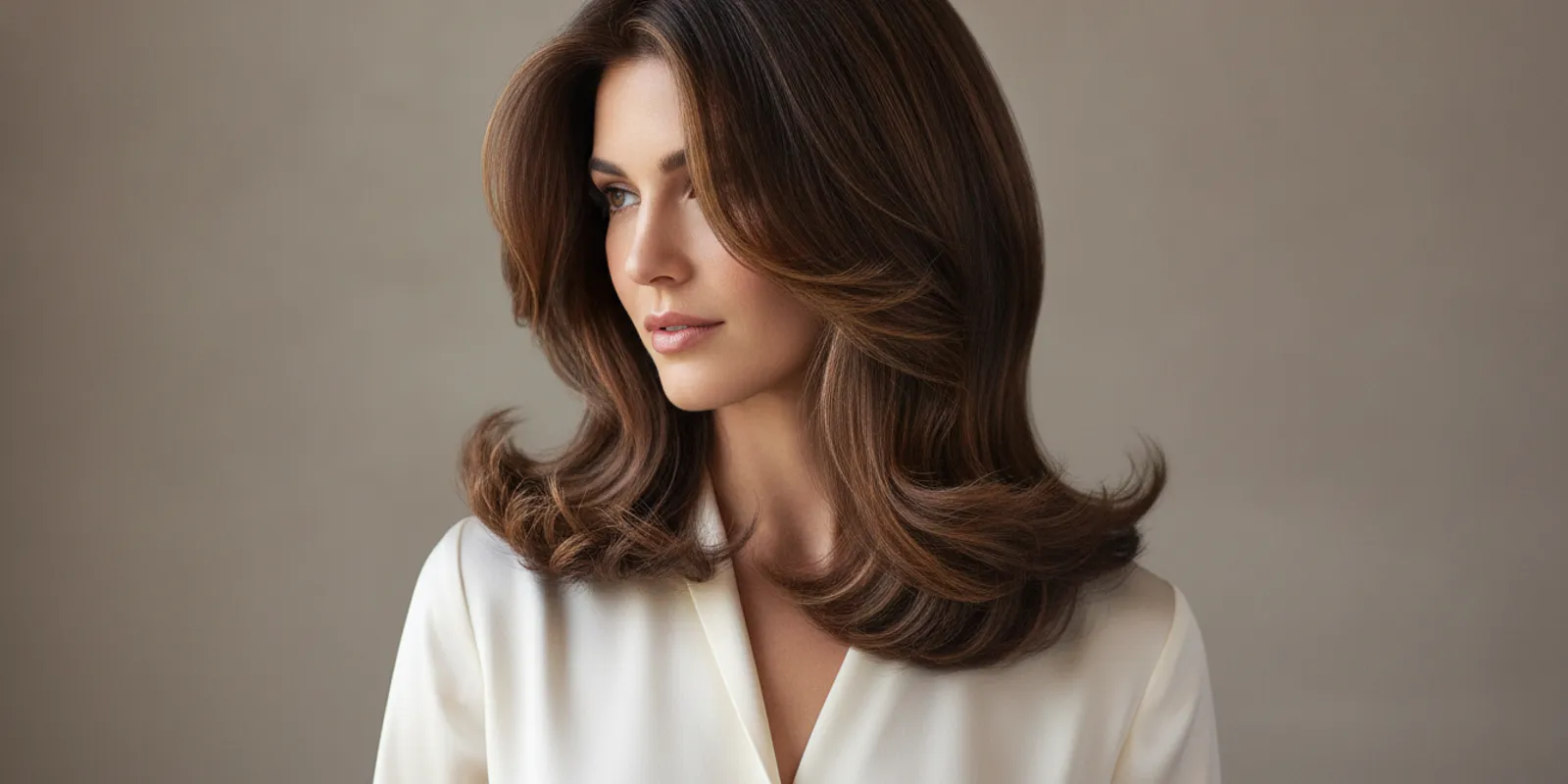
When considering highlights vs lowlights for brunette hair, the key difference is whether you want lighter pieces, deeper pieces, or a balanced mix of both. The right choice depends on your starting shade, the contrast you enjoy, your color history, and how much upkeep feels comfortable.
What is the difference between highlights and lowlights?
Highlights are sections of hair made lighter than the surrounding color. They can add brightness around the face, lift the overall impression of a brunette shade, or create a sunlit effect through the lengths. Lowlights are sections made darker or kept closer to a deeper shade than the surrounding color. They can bring back depth, create contrast, and make a lighter brunette look more dimensional.
Neither service has one fixed appearance. Fine, closely blended pieces can look soft and subtle. Wider sections, stronger contrast, or concentrated placement can make the color feel bolder. The shade chosen and the way it is woven through the hair matter as much as the label on the service.
For brunettes, highlights do not have to mean blonde, and lowlights do not have to mean nearly black. A highlight might be a gentle lift from a medium brown base, while a lowlight might be a deeper brown that remains harmonious with the natural or current color. A stylist can assess how much contrast your hair can support and what shades will suit the intended result.
How do highlights change brunette hair?
Highlights introduce lighter areas that catch the eye and reflect light differently from the deeper base. Depending on the placement and shade, they may make brunette hair appear brighter, warmer, softer, or more varied in tone. The result can be delicate or high contrast.
A few fine pieces near the face can create a small brightness shift without changing the overall impression of brunette hair. More extensive highlights through the top and lengths can make the hair read lighter overall. A soft blend between the base and lighter pieces can help the result feel natural, while clearly separated pieces create a more defined look.
Lightening hair is a chemical process, and the result depends on the starting color and condition. Previously colored hair may respond differently from virgin hair. Darker artificial color, overlapping color applications, and past lightening can all affect what is possible in one visit. A stylist should review that history before recommending an approach or promising a particular shade.
How do lowlights change brunette hair?
Lowlights add or preserve deeper pieces among lighter or more uniform hair. On brunette hair, they can reinforce a rich base, provide contrast against lighter sections, or soften a look that has become too bright or flat. They can be subtle enough to register as depth rather than as obviously separate dark strands.
For example, a medium brunette with lighter ribbons may add deeper brown pieces to create a more balanced mix. Someone whose brunette color looks very uniform may use lowlights alongside highlights to create a varied, multi-tonal effect. The goal is not necessarily to make the hair darker overall. It may be to give different sections their own tonal presence.
Lowlights can also be part of a plan to transition from a brighter color toward a deeper brunette appearance. The exact technique depends on what is already in the hair, how much of the existing lightness should remain, and how the color should grow out. A consultation helps set expectations about whether the desired transition can happen gradually.
Should you choose highlights, lowlights, or both?
Start with the change you want to see in the mirror. If you want more brightness, highlights may be the main focus. If you want more depth or a richer-looking result, lowlights may be considered. If you want a mix of brightness and depth, a customized combination may make sense.
The terms describe the direction of the color change, not a complete formula. Two clients may both ask for brunette highlights and receive different plans because their starting shades, hair histories, and preferences differ. A consultation is a chance to translate broad inspiration into a realistic plan for your own hair.
- Choose a highlight-focused conversation if your priority is lighter pieces, added brightness, or a more sunlit impression.
- Choose a lowlight-focused conversation if your priority is added depth, a richer appearance, or contrast within lighter brunette hair.
- Ask about combining them if you want both lighter and deeper pieces for a varied, dimensional look.
- Ask about a more subtle approach if you want a small change or prefer softer contrast as the color grows.
These are starting points for a conversation, not a formula to request without an assessment. A stylist may suggest a different balance or sequence once they see your hair in person and understand what has been applied to it before.
How do placement and contrast affect the result?
Placement determines where the eye notices the color. Pieces around the face can make the front appear brighter. Color distributed through the top can be more visible when the hair is worn down or in a part. Color through the mid-lengths and ends can emphasize movement, especially in layered or waved styles. A tailored placement plan considers how you usually part, style, and wear your hair.
Contrast describes how different the lighter or deeper pieces look beside the base. Low contrast tends to blend more quietly. Higher contrast makes individual ribbons more apparent and can create a stronger visual change. Neither is automatically better. The best level is one that fits your taste and can be maintained in a way that suits your schedule.
Think about your everyday styling before choosing a reference photo. A wave or curl can reveal dimensional color because different sections turn toward and away from the light. Straight styles may show the placement and separation differently. A photo taken with studio lighting may also make color appear brighter or more contrasted than it looks in ordinary daylight.
Bring examples that show both what you like and what you do not. If a picture is close but not exact, explain the part that appeals to you: perhaps the fine pieces near the face, the soft transition at the root, or the deeper dimension through the ends. This gives your stylist a more useful starting point than asking to copy a shade without considering your own base and history.
What brunette tones can you discuss?
Brunette is a broad family of shades. It can include deep espresso, dark chocolate, medium brown, chestnut, and lighter brown tones. Highlights and lowlights can shift the overall impression within that family without necessarily moving far from brunette.
Some clients prefer a warmer direction, while others want a more neutral or cooler-looking brunette. The words used to describe tone can mean different things to different people, so photos can help. It is also helpful to explain what you want to avoid. For instance, you may prefer not to see a strongly golden appearance, or you may want warmth rather than a muted result. Your stylist can discuss what is achievable from your starting point.
Do not assume a shade will look the same on every brunette. Existing color, natural undertone, hair condition, and lighting can affect the way a result appears. A reference image is a guide to a mood or direction, not a guarantee of an identical outcome.
How does your starting color affect the choice?
Your current hair may be natural, previously colored, highlighted, or a mix of several stages. Each starting point changes the color conversation. A natural brunette may have a different path to lighter pieces than someone with multiple layers of artificial dark color. Hair that has been lightened before may also need a different plan from hair that has not.
Share an honest color history, even if some of it happened years ago or at another salon. Mention box color, glosses, highlights, lowlights, color correction, and any other chemical services you remember. If you are unsure what was used, say so. It is better to make a plan with incomplete information acknowledged than to assume the hair is untreated.
Hair length, density, and condition also matter. They can affect how much work is involved, the amount of product needed, the appearance of placement, and the time a service may take. For that reason, color pricing and timing can depend on the individual hair and the complexity of the requested result. A consultation gives the stylist an opportunity to assess those factors and discuss expectations before a service appointment is booked.
New color clients at Bella Rinova must complete a consultation before booking a color service. Virtual consultations are also available for complex services and prospective clients. To learn more about the salon’s hair services in Houston, review the service information and then contact the salon to discuss your goals.
How should you think about warmth and unwanted tones?
Warmth is not inherently a problem. Some brunette clients want a warmer, more sunlit result; others prefer a more neutral look. What matters is agreeing on the direction and level of warmth you want, rather than relying on a broad phrase such as “no brassiness” without context.
Lightening a darker starting shade may reveal underlying warmth as the hair lifts. The color plan may include steps to manage the tone, but what is achievable depends on the hair and the desired level of change. A dramatic shift may need more than one appointment. Your stylist can explain the trade-offs between lighter brightness, tone, hair condition, and the amount of maintenance involved.
Share how your color looks after several weeks, not only on the day it is finished. If you have had a shade that became too warm, too cool, too flat, or too light, explain what bothered you and when you noticed it. This gives the stylist a clearer picture of the result you hope to avoid.
How do highlights and lowlights grow out?
Regrowth is influenced by the difference between your natural root and the color placed near it. A softer blend or more diffused placement can make the transition less noticeable for some clients. A stronger contrast close to the root may create a more visible line as the hair grows. The color’s position and the rate at which your own hair grows both affect what you see between appointments.
Highlights can become more conspicuous at the root if the lighter pieces start close to the scalp and contrast clearly with the natural brunette. Lowlights may also show a shift as the base grows, especially if the selected shade is substantially different. When both are used, the overall grow-out depends on the placement of each and the way the shades relate to your natural color.
Ask what the result may look like after several weeks and what kind of refresh might be needed. A color plan can be designed around the maintenance pattern you prefer, but no technique removes the need to consider regrowth and changing tone. If you want longer intervals between appointments, make that a priority during the consultation.
What maintenance should you plan for?
Maintenance depends on the color design, your natural roots, how much contrast you choose, and how often you want the color refreshed. A subtle change may fit a different schedule from a highly visible transformation. The best plan is one you can realistically maintain, rather than one that looks appealing only on appointment day.
Talk about your usual routine. Let your stylist know if you swim often, spend time outdoors, use heat tools, wash your hair frequently, or prefer a low-effort routine. These details can help shape both the service plan and the aftercare conversation. They are not reasons to avoid color; they help you set expectations and decide what level of upkeep is comfortable.
Use the products and care instructions recommended for your specific service and hair. Bella Rinova carries professional hair care products; you can explore its professional hair care selection and ask which options are appropriate for your needs. Avoid assuming that one routine works for every color-treated head of hair.
It can also help to schedule the next check-in before leaving, especially if your color plan includes a gradual change. Your stylist can advise whether a follow-up should be a full service, a refresh, or simply a later reassessment. The best timing depends on the plan and how you want your color to look over time.
What should you bring up during a color consultation?
A clear consultation combines your goals with a realistic assessment. You do not need to arrive knowing technical terms. Explain what you want to look different, what you want to preserve, and how much change you are open to. Your stylist can then discuss the techniques and shades that may fit those priorities.
- Your goal: Do you want a little brightness, more depth, a softer blend, or a noticeable change?
- Your color history: What color or chemical services have been applied, and when?
- Your preferred tone: Do you lean warm, cool, or neutral? Which tones do you want to avoid?
- Your styling habits: How do you usually wear your hair, and how often do you use heat tools?
- Your maintenance preference: How often would you be comfortable returning for color?
- Your references: Which details in your inspiration photos feel right, and which do not?
- Your boundaries: Are you comfortable with a gradual plan if the exact goal is not realistic in one visit?
Ask what the stylist recommends and why. You can also ask how much lighter or deeper the result may appear, what compromises might be necessary, and whether a staged approach would better protect the condition of your hair. A thoughtful plan can include a clear first step rather than attempting every change at once.
Before booking, clarify the expected service scope and pricing. Hair color may be priced according to factors such as length, density, condition, and complexity. If you want to understand the salon’s appointment guidelines, you can review its service and appointment policies.
What common assumptions can make the decision harder?
“Highlights always make brunette hair blonde.”
Highlights can be subtle and remain within a brunette palette. They may be only a little lighter than the base, or they may create more noticeable contrast. Discuss the amount of brightness you want instead of assuming that the word means one particular shade.
“Lowlights are only for blondes.”
Lowlights are a way to add or restore deeper pieces. They can be considered for brunette hair when the goal is more depth or a mix of lighter and deeper tones. The suitability depends on the starting point and desired result.
“One photo is enough to determine the formula.”
A photo helps communicate an idea, but it cannot show the full history or condition of your hair. Two heads of hair can respond differently to the same reference. Your stylist needs to assess your starting point and discuss what can realistically be achieved.
“The more contrast, the more dimensional the color.”
Contrast is one way to make dimension visible, but a result can also feel dimensional through subtler variation. The preferred effect is personal. Ask for a description of how the chosen contrast will appear in the light and in your usual hairstyle.
“A salon can guarantee the exact color in my inspiration image.”
Inspiration images are useful, but an exact match may not be possible or appropriate for every starting point. Lighting, editing, hair history, and condition can all affect the comparison. A consultation is the right time to discuss a realistic direction and any steps that may be needed.
How can you choose a direction that feels like you?
Think in terms of the experience you want, not just a service name. Do you want your brunette shade to look brighter when you step outside? Do you want a richer, more grounded appearance? Are you looking for contrast that is easy to see, or a change that feels understated? Your answers can help guide the conversation toward highlights, lowlights, or a combination.
It may help to rank your priorities. For example, you might care most about keeping your overall brunette depth, then want a little brightness near the face, and prefer a softer grow-out over dramatic contrast. Another client may want a larger change and be comfortable returning more frequently. Sharing those priorities lets the stylist consider the whole result rather than only the shade in a photo.
If you are uncertain, you do not have to choose a technique before speaking with a professional. Bring your questions, photos, and color history. Ask what can be done in one visit and what may be better approached gradually. The final plan should reflect your hair’s condition as well as your preferences.
How can different brunette starting points shape the plan?
Thinking through a few common starting points can make it easier to describe your own goals. These are examples, not prescriptions: the same request can call for a different technique after a stylist sees the hair and learns its history.
If your brunette color is natural and feels too uniform
If your natural brown looks even from root to ends and you want a little more movement, discuss where you would like the eye to notice variation. Fine highlights can create gentle brightness, while a mix of lighter and deeper pieces may provide more tonal variety. If you want to keep the overall impression distinctly brunette, say that clearly. A stylist can discuss how much lift would be needed and whether a subtle or more visible contrast better fits your preference.
Consider how you wear your hair, too. A center or side part can change which sections are most visible. If you wear your hair tied back, the color around the face and hairline may matter more to you than color hidden underneath. Share those everyday details rather than choosing placement from a photograph alone.
If your brunette hair already has highlights
Existing lighter pieces may be an important part of the next plan. You might want to keep them, blend them, add depth around them, or adjust their tone. Lowlights may be discussed if you feel the overall result looks too light or lacks contrast, but the stylist should first determine how much of the existing color to preserve.
Bring up how the highlights have changed since the last service. Have they become more visible at the root? Do the ends seem lighter than you prefer? Do you like the brightness but want more depth between the pieces? These observations help define the issue more clearly than a general request to make the color look natural.
If your hair has been colored a deep brown
Previously colored dark hair may not respond like natural hair. If your goal is lighter highlights, the process and attainable result depend on the products used previously, how many applications have occurred, and the hair’s condition. A consultation can help establish a realistic first step. The stylist may recommend a gradual approach, particularly if a large change is involved.
If your goal is to return to a deeper brunette after lighter color, discuss which lighter pieces you want to keep and which you want to soften. The result can look different depending on whether the plan adds depth throughout or concentrates it in selected areas. It is useful to explain what you liked about your lighter phase as well as what you hope will change.
If your brunette hair is naturally lighter or has faded
A lighter brown base or faded color can make deeper pieces more noticeable. You may be looking for a richer overall impression, a lowlight-focused service, or a balanced mix. Explain whether you want to look darker overall or simply want more variation. Those are different goals and may lead to different recommendations.
Fading can also change the tone you see between appointments. Describe the shade you notice now and what it looks like in daylight. Your stylist can assess whether the concern is depth, warmth, or both, then recommend a plan based on the condition of the hair.
What should you expect from the consultation process?
A consultation is not only a chance to name a color. It is a two-way discussion about your starting point, the result you want, the work involved, and how to maintain it. The stylist may ask about previous color services, your at-home routine, and what you like or dislike about your current hair. Be as specific as you can, and say when you do not know an answer.
Expect to talk through inspiration images, but do not worry if you cannot identify the exact shade. You can describe a feeling instead: softer, brighter, more dimensional, less warm, or richer. Your stylist can explain how the image’s contrast and placement relate to your own hair. If two references seem different, bring both and explain what you like about each.
It is reasonable to ask about service time, expected cost, and whether the plan may need more than one appointment. Color pricing can vary with hair length, density, condition, and complexity. A clear discussion helps you make an informed choice before committing to a service. Ask what is included in the proposed plan and whether the stylist recommends any changes to the goal.
At Bella Rinova, all new color clients need a consultation before booking a color service. This consultation-first approach is especially useful when a request involves a significant change, color correction, or several layers of past color. Virtual consultations are available for complex services and prospective clients. You can begin through the salon’s contact page and explain what you would like to discuss.
How can you make color references more useful?
Choose recent images that show hair with a texture or length reasonably close to yours, if possible. Look for natural-light photographs alongside salon images, because dramatic lighting can make brunette color look much lighter, warmer, or more contrasted. A photograph is still only a reference, but a few carefully chosen examples can help narrow the direction.
Instead of bringing a large collection without explanation, identify two or three details you like. You might point to soft brightness around the face, deeper color near the roots, a particular balance of warm and neutral tones, or a subtle blend through the ends. Also identify what you do not want. This can help prevent a stylist from interpreting “dimensional” as a stronger contrast than you had in mind.
Be open about differences between the reference and your own hair. A model’s starting shade, texture, density, length, and prior color may be unlike yours. If the image shows a much lighter result, ask what it would take to approach that direction, whether multiple sessions might be needed, and how the hair’s condition will guide the process. A useful reference begins a practical conversation; it does not replace one.
How can you care for brunette color between appointments?
Follow the personalized aftercare instructions your stylist gives you. Color-treated hair does not have one universal routine, and your needs may depend on the service, the products used, your hair texture, and your day-to-day habits. If you are unsure how often to wash, which products to use, or how to manage heat styling, ask for advice specific to your appointment.
Be mindful of repeated heat styling and any habits that leave your hair feeling dry or fragile. If you use hot tools, ask how to include them in a routine that suits your hair. If you swim or spend time in the sun, mention that at the consultation so care recommendations can account for your routine. These practical details may also influence how you want to schedule color refreshes.
Pay attention to the overall appearance rather than judging your color only under one kind of light. Brunette tones can look different indoors, outdoors, and in photographs. If you feel the color has shifted in a way you do not like, note what changed and when you noticed it. That information can make a future conversation more productive. Avoid making a major corrective change at home without discussing it with a professional, particularly if your hair has a complex color history.
To explore the salon’s range of hair color and styling services, review the service page and use your consultation to ask how a color plan can work with your styling habits. Advice about maintenance should be practical for your real routine, not just an ideal schedule.
How do you make a final choice without overthinking it?
Begin with three simple decisions: how light or deep you want the result to feel, how noticeable you want the contrast to be, and how much upkeep you are willing to consider. You do not need to decide the exact placement or technique. Those details can be discussed after your stylist assesses your hair.
If you are choosing between references, compare their overall balance rather than focusing on a single strand. Ask yourself whether you want the brunette base to remain dominant, whether the brighter pieces should frame the face or run throughout, and whether deeper tones would make the result feel more like you. These answers can be more helpful than deciding whether a photo is technically “highlights” or “lowlights.”
It is also fine to choose a conservative first step. A subtle change can help you learn how you feel about added brightness or depth before asking for more contrast. If you already know you want a significant transformation, state that clearly and be prepared for an honest conversation about timing, condition, and possible stages. A good plan respects both the result you want and the starting point you have.
How can you compare the options before booking?
A simple comparison can help you identify the direction to discuss without trying to design your own formula. Consider your main goal, the visual effect, and the practical trade-off that matters most. The final recommendation still depends on an assessment of your hair.
- Highlights: These introduce lighter sections. They may suit a goal of more brightness or a sunlit appearance. Depending on how close the pieces are to your natural root and how much contrast you choose, the regrowth may become more noticeable.
- Lowlights: These introduce or preserve deeper sections. They may suit a goal of added richness or dimension in hair that looks too light or uniform. The effect can be understated or clearly defined depending on shade and placement.
- A combination: A mix can create both light and dark variation. It may be helpful when one shade alone would not deliver the balance you want, but it requires a personalized plan and careful consideration of your hair history.
- A gradual change: A staged approach may be considered when the desired shift is significant or your hair has a complicated color history. It can help set manageable expectations, though it may require more than one appointment.
Instead of asking which option is best in general, ask which one best supports your own priorities. If you want to keep a deep brunette base, say that. If brightness near the face matters most, point that out. If you want a softer grow-out even if the color is less dramatic, include that in the decision.
What does “natural-looking dimension” mean for you?
People use “natural” to mean different things. For one person, it means a result close to their untouched color. For another, it means a blend without a strong line, even if the color itself is brighter than their natural shade. Some want visible ribbons that still fit their personal style. Explain which meaning you have in mind instead of relying on the word alone.
Placement, contrast, and tone all affect whether color feels natural to you. Fine sections spaced throughout the hair may look different from a few brighter pieces concentrated at the front. A soft transition at the root may give a different impression from color that starts clearly near the scalp. You can describe what you like about a result rather than trying to name a specific technical application.
Also consider how your hair moves. Color that appears subtle when hair is still may show more variation when it is waved or curled. A haircut with layers may reveal lighter and deeper sections differently from a blunt shape. The stylist can take your usual cut and style into account when discussing where the color may be most visible.
How can you balance a color goal with hair condition?
Hair condition is part of the decision, not an afterthought. If the hair has been lightened several times, feels fragile, or has a history of corrective work, those details may shape what can be done next. Your stylist may recommend preserving some areas, adjusting the target shade, or taking a more gradual path. This is not a failure to reach your goal; it is a way to plan within the limits of the hair in front of you.
Be candid about treatments and at-home color, even if you think they are no longer visible. Old color can remain in the lengths after the roots have grown. If you have used a temporary color product or are unsure about a past service, mention it rather than trying to determine how it will affect the result yourself. Accurate background helps the stylist make a better-informed recommendation.
If the consultation suggests that your first-choice image is not suitable right now, ask about alternatives that preserve the most important part of the look. Perhaps a smaller amount of brightness, a shift in tone, or a sequence of appointments could move toward the goal. You can decide whether that compromise feels right before agreeing to the service.
What are useful questions to ask about timing and expectations?
Color conversations often focus on shade, but practical questions can be just as important. Ask how long the appointment may take, what steps the service may involve, and whether the recommended result is expected to be achievable in one visit. If your schedule is tight, mention that early so the plan can be discussed with the time available in mind.
Ask what the color may look like immediately after the appointment and how it might change as it is washed and worn. Your stylist can explain what to expect based on the specific plan, without guaranteeing that every head of hair will behave identically. If you have a special event or travel coming up, share the timing so the consultation can account for your plans.
It is also useful to discuss the next maintenance step before you leave the consultation. Find out what signs might indicate that a refresh is appropriate and whether you should expect a full color service or a smaller follow-up. The answer may depend on your preference for visible contrast and the way your color grows out. A realistic schedule is easier to follow when it matches your habits and priorities.
How should you decide if you are still unsure?
When the choice is not obvious, use your consultation to compare two or three possible plans. For example, ask how a highlight-focused approach would differ from a blend of highlights and lowlights in overall brightness, visible contrast, and maintenance. Ask which plan would preserve more of your current base, and what the stylist would recommend if your first priority is a softer grow-out.
You can also ask what is reversible or adjustable later, and which decisions require more commitment. The answer depends on the service and your hair history, so there is no universal rule. Understanding the likely trade-offs can make a choice feel more comfortable than trying to predict the outcome from a service name.
There is no requirement to make a major change simply because you booked a consultation. A consultation can clarify the options and leave you with a plan to consider. If you want time to think, say so. A personalized color decision should feel informed and aligned with your preferences, not rushed.
Frequently asked questions about highlights and lowlights for brunette hair
Can highlights and lowlights be done together?
They can be combined when a stylist determines that both lighter and deeper pieces suit the goal and the hair’s condition. The balance, placement, and timing are customized. A consultation can clarify whether a combined approach or a simpler first step makes more sense.
Are lowlights damaging?
The process and products used depend on the color plan. Lowlights generally involve adding or depositing a deeper shade rather than lightening those sections, but the full service may include other techniques. Ask your stylist to explain the proposed process for your hair and any care considerations.
Do brunette highlights need bleaching?
Whether and how hair is lightened depends on the desired shade, the starting color, and previous color history. Not every brunette highlight request is the same. Your stylist can explain the process after assessing your hair; do not assume that a particular reference image can be reached without lightening.
How often should I refresh brunette highlights or lowlights?
There is no single schedule that suits everyone. Root contrast, placement, desired appearance, and personal preference all matter. Ask your stylist how the specific plan may grow out and what interval they recommend for reassessing it.
Can I go from dark brunette to lighter highlights in one appointment?
It depends on the hair’s history, condition, and the amount of change you want. A gradual plan may be more appropriate than trying to reach a much lighter result at once. New color clients at Bella Rinova complete a consultation before booking a color service, so the stylist can discuss a personalized plan first.
Discuss your brunette color goals
For a personalized choice between highlights, lowlights, or both, begin with an honest conversation about your color history, preferred tone, and maintenance needs. A considered plan can bring dimension to brunette hair while respecting the look you want and the condition of your hair.
