Hair Color for Low Maintenance: Techniques That Grow Out Beautifully

Choosing hair color for low maintenance is less about finding a technique that never needs attention and more about planning color that can grow out gracefully. Placement, contrast, your natural base, and the amount of change you want all influence how often you may want a refresh. Balayage, dimensional highlights, glossing, and thoughtful root blending can each support a softer transition when they are matched to your hair and goals.
Request a color consultation

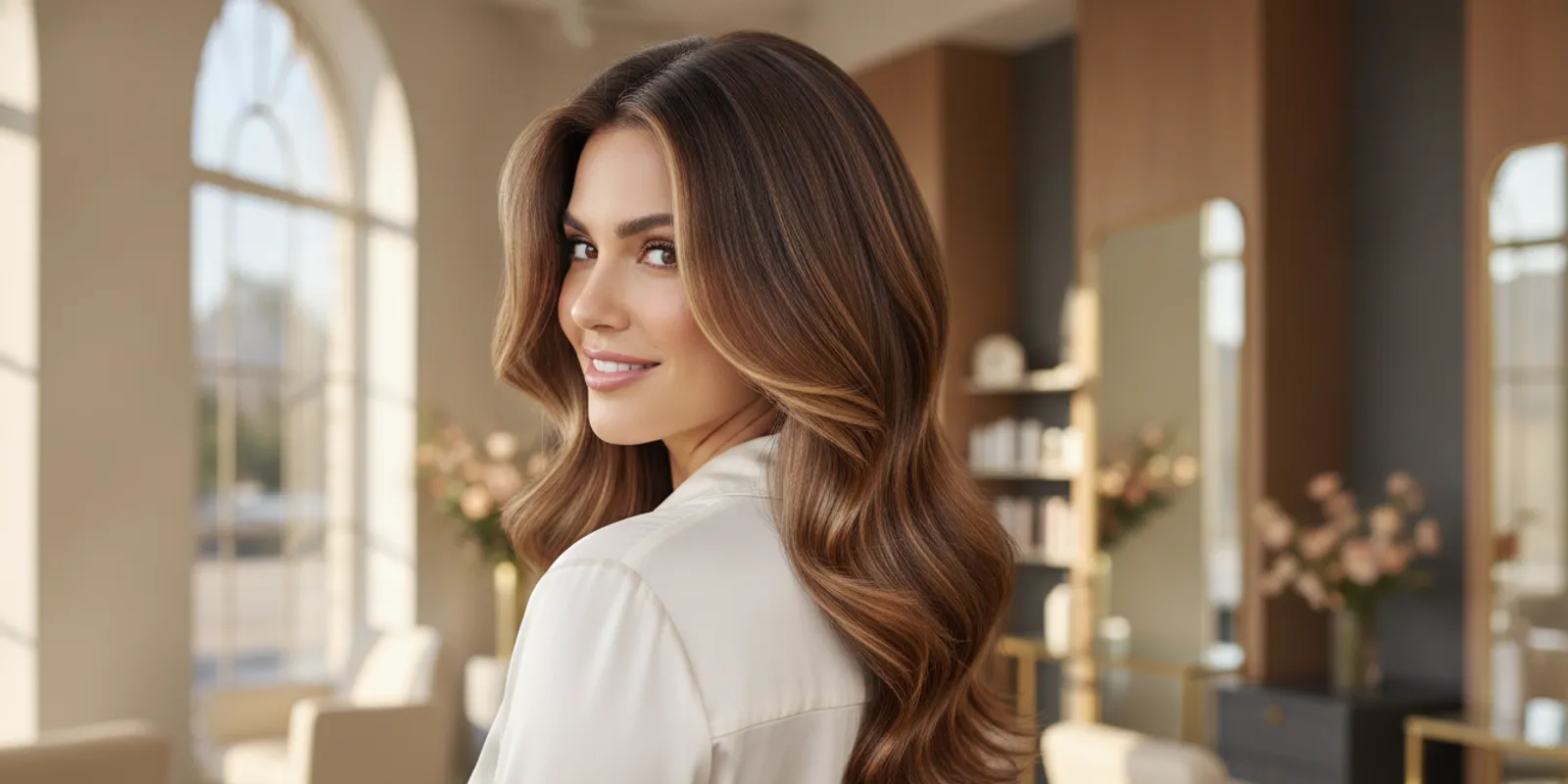
Dimensional brunette hair with softly blended color and natural-looking roots

What does low-maintenance hair color really mean?

Low maintenance does not mean maintenance-free. Hair grows and color can look different over time. The practical difference is how noticeable the change feels between appointments and what kind of refresh you choose when it is time. One person may want to preserve a natural root; another may prefer bright color and accept more frequent appointments. There is no single schedule that fits everyone.

It helps to define what “easy” means in your routine. Are you hoping to avoid a sharp line as your hair grows? Do you want to preserve a mostly natural look? Are you comfortable with occasional visits but not frequent root attention? Or do you want a noticeably lighter result and accept that it may call for more upkeep? Clear priorities make it easier to discuss trade-offs with your colorist.

Hair length, density, texture, natural color, color history, desired contrast, and personal preference all matter. A photograph can describe the look you like, but it cannot show the full history or condition of the hair in the image. A consultation translates the inspiration into a plan for your own starting point.

It can also help to separate three ideas that are often grouped together. The first is how frequently new growth becomes visible to you. The second is how often the lengths need attention to keep the tone or finish close to your preference. The third is how often you want to make a larger change. These may call for different services and do not necessarily happen on the same schedule. You might be comfortable leaving the root alone while choosing to discuss a tonal refresh later, or you may prefer to wait until you want a broader change.

Think about your everyday threshold, not an idealized picture of never needing a salon visit. If you notice roots quickly and prefer a polished, consistent look, a soft transition may still need attention sooner than it would for someone who enjoys visible depth. If your priority is fewer appointments, consider whether you would be happy with less brightness near the root or a more gradual change. The useful question is not “Which technique requires no upkeep?” but “Which plan will still feel like me as it changes?”

Which color choices can support a softer grow-out?

Several approaches may help create a more gradual transition between appointments. They are not interchangeable, and a technique alone cannot guarantee a particular maintenance schedule. The starting point and the design are just as important as the service name.

Balayage

Balayage is a freehand highlighting approach. It can create a blended, dimensional effect, with lighter pieces placed to complement the shape and movement of the hair. When the plan leaves depth near the root and concentrates brightness through selected lengths, regrowth may look softer than a uniform, high-contrast line.

Balayage can be adapted in many ways. A subtle result may involve a small change in brightness, while a dramatic transformation can require several steps and a more involved plan. The amount of contrast, where brightness begins, and how much hair is lightened affect both the look and future upkeep. The technique’s name does not tell the whole story; placement and desired result do.

For example, two clients can both ask for balayage and leave with very different patterns. One may want a handful of soft ribbons beginning below the root, with natural depth visible throughout. Another may want a much brighter look that reaches close to the scalp around the face and through the top. The first may prefer the gentler transition, while the second may value a brighter, more defined result. A consultation should make those distinctions clear before a plan is chosen.

Dimensional highlights

Dimensional highlights use lighter pieces alongside the base so the overall result has variation rather than one flat shade. Their spacing and placement can be planned to suit your natural color, haircut, and preferred level of contrast. Leaving some depth between lighter sections may help the result feel more blended as it grows.

Highlights placed close to the scalp or throughout a large portion of the hair may create a different regrowth experience from a few face-framing or selectively placed pieces. If you want a subtle change, say so before deciding on a full-head plan. Discuss how much brightness you want and how visible you are comfortable with regrowth being.

Ask what “dimensional” means in the proposed design. It could refer to a small number of lighter pieces, a mix of brightness and depth, or a larger pattern distributed through the hair. The word alone does not tell you how light the result will look, where the color will be placed, or how much of your base will remain. Describe the image you want in plain language, then ask the colorist to explain which parts of the idea will be reflected in the plan.

Root blending

Root blending focuses on making the area near the scalp transition more softly into lighter or colored lengths. The desired result may retain natural depth or blend tones through the root area and lengths. It may be useful when you already have lighter lengths and want a softer connection as your natural hair grows. It is a design choice, not a promise that roots will never show.

Root blending can also change the overall impression of existing color without adding brightness everywhere. Before deciding, clarify whether you want to soften the boundary, deepen the root area, or connect multiple tones. Those are related goals but not identical. If you love the brightness through your ends, say that directly so the discussion includes how to preserve what is working as well as what you want adjusted.

Glossing as a tonal refresh

A glossing service can be discussed when the main concern is the tone or appearance of existing color rather than adding a new pattern of highlights. Ask what a gloss can and cannot address in your case. It does not recreate brightness that has grown out or resolve every color concern, and it is not a substitute for every lightening service. If you want a significant change, a consultation can clarify whether glossing, dimensional color, or a combination is appropriate.

Be specific about the change you notice. “My color feels different” can refer to warmth, dullness, contrast, the amount of brightness, or the root line. If you can point to the exact area and describe what you would like to see instead, the conversation is more useful. A tonal refresh may be worth discussing when the placement still feels right; if you want new lighter pieces or a different distribution of color, that is a separate goal.

How do these approaches compare?

Use these distinctions as a starting point for discussion, not as fixed rules. The actual result depends on the starting point, application, hair history, and desired change.

  • Balayage: Can create a blended, dimensional look with selected brightness. Root contrast and where the lightness begins influence grow-out.
  • Dimensional highlights: Add variation through lighter pieces. Their spacing, placement, and proximity to the scalp affect how visible regrowth may be.
  • Root blending: Focuses on a softer connection between the root area and colored lengths. It may be considered for existing color or included in a larger design.
  • Glossing: May be considered when tone needs attention. It is not a substitute for every lightening or color service.

There is no universal winner. Someone who wants a very bright result from the root has different priorities from someone who wants to preserve a natural base and add a little dimension. Some clients prefer more frequent visits to keep a particular look crisp. Others prefer more time between larger appointments and revisit the tone or finish as needed.

One practical way to compare options is to imagine the weeks after the appointment, not only the finished salon look. Ask yourself what you will notice first: a change in the root area, less brightness around your face, a shift in tone through the lengths, or an overall desire for more contrast. Then ask which option is designed to address that particular concern. If you are choosing between a soft root and a bright hairline, for instance, the discussion should cover both the appearance you want immediately and how you feel about the root as it grows.

Also compare what each plan preserves. A new approach might retain more natural depth, keep selected light pieces, or adjust the way tones connect. A useful consultation explains both the intended change and what is expected to remain. You should be able to summarize the plan in your own words before proceeding: what will be lighter, what will remain natural or deeper, and what you may choose to revisit later.

How should you choose based on your starting point?

The most useful recommendation begins with what is already on your hair. Natural hair, previously colored hair, highlights, and several layers of color history can all affect a new plan. Be candid about previous color, including at-home color, glosses, and corrective services. If you are unsure of dates or products, share what you remember rather than leaving out details.

If your hair is mostly natural

Discuss how much of your natural base you want to retain. A restrained placement or gradual introduction of dimension may feel easier to live with than a large change, particularly if avoiding a noticeable root line is a priority. Think about where you want lightness: a small amount around the face, a few ribbons through the lengths, or a more visible overall shift. Your preference and tolerance for visible change guide the conversation.

Consider whether you have colored your hair before even if it does not look colored now. A previous tint or home application may still be relevant to the assessment. If you have never had color, explain that too. The starting point helps the colorist set expectations about what the requested look could involve and whether the desired change is best approached gradually.

If you already have highlights or balayage

Consider what you like about your current color and what feels difficult to maintain. If you enjoy the brightness but dislike a strong root contrast, ask whether the transition can be softened while preserving areas you want to keep light. If tone is the main concern, ask whether a tonal refresh is suitable before assuming you need more lightening. Photos of your hair at different points in its grow-out can help explain what you notice between visits.

It is useful to describe the color at more than one point in time. What feels appealing immediately after a service? What feels less convenient later? Perhaps you enjoy the brighter front but find the root more noticeable than expected. Or perhaps the root is comfortable, but the lengths look different from your preferred tone. Separating these observations can help you request a targeted adjustment rather than a complete redesign.

If your hair has all-over color or color correction history

A colorist needs to assess what is on the hair and what has been done previously. Do not assume that adding highlights over existing color will produce the same result as adding them to untouched hair. If you are seeking a major change from a darker or more uniform result, a consultation is especially important. A lower-maintenance end goal may still require a careful transition and may not be achieved in one visit.

Make a simple timeline if you can: approximate dates, salon services, home color, and any attempts to remove or change color. Exact product names are helpful when you know them, but an honest best recollection is better than guessing. Mention areas that have been treated differently, such as roots versus lengths, because the hair may not have one uniform history. That context helps the colorist assess the request with care.

If your natural color includes visible gray

Talk through how you want gray to fit into the overall look. Some people prefer more coverage; others want a softer blend or dimension that works with their natural pattern. These preferences lead to different service choices and expectations for regrowth. Distinguish between wanting to conceal gray and wanting to soften the contrast as it grows, then share how visible roots feel to you.

Think about how you want the result to look at the part and hairline, since these may be areas you notice quickly. If you are comfortable seeing some natural variation, explain that. If you want more consistent coverage, say so as well. The goal is not to assume one preference is easier or better, but to choose an approach whose appearance and upkeep align with what matters to you.

How do contrast and placement affect maintenance?

A large difference between the root and colored lengths can make new growth more noticeable. A result with more harmony between the root area and lengths may feel less abrupt as the hair grows, although the effect depends on the design and your own hair. Brightness beginning close to the scalp can create a different grow-out pattern from brightness introduced farther down.

Face-framing pieces may keep the front visibly bright but can also draw attention to new growth around the hairline. Highlights distributed through the lengths create a different visual balance. Ask your colorist where the color will start and how that placement relates to your maintenance preference. Density and length also affect how a pattern reads.

Tell your colorist how you usually wear your hair: straight, wavy, up, or parted in a consistent place. Placement can be designed around your regular styling rather than only how it looks immediately after a blowout. It is also worth describing what you do not want. For example, you might want brightness around the face without a high-contrast root, or visible dimension without an all-over lighter appearance.

Parting is a practical detail. If you wear the same part most days, the top and front may be where new growth stands out to you. If you often change your part or wear your hair up, you may notice different areas. Bring this up when discussing placement. It does not dictate a technique, but it gives the colorist useful information about the way you see your hair during an ordinary week.

Contrast is personal, too. A noticeable difference that feels beautiful and intentional to one person may feel like too much upkeep to another. Try using reference images to point out the relationship between the root and lengths, rather than describing only the final shade. You can say, “I like the bright ends, but I want the top to stay close to my natural depth,” or “I want the root to look soft, but I still want the overall result to read as lighter.” Such descriptions make the desired balance more concrete.

What do hair history and condition have to do with the plan?

Hair density affects how a color pattern appears and how much hair is involved in a service. Length and condition also matter when estimating the scope of a color change. The same inspiration image may call for a different placement or approach depending on your hair. A photo alone cannot determine a service or its price.

Tell your colorist about past lightening, dryness, breakage concerns, or anything else you have noticed. Do not be embarrassed if you have used at-home products or tried to change the color yourself. Accurate information lets the professional assess the starting point and discuss an appropriate sequence. If the result calls for more than one step, it is better to discuss that in advance than to expect an instant transformation.

Density and length can influence how a look is distributed. The visual reference may show color on hair with a different amount of volume, a different cut, or a different texture. If the reference is much longer or fuller than your own hair, focus on the color relationships that appeal to you: the brightness near the face, the depth at the root, or the placement through the lengths. That lets the consultation adapt the idea instead of treating the image as a template.

Condition is part of a responsible conversation about the route to a goal. Explain what you have noticed about your hair, including areas that feel more fragile or have been processed more than others. The point is not to self-diagnose or decide in advance what is possible. It is to give the colorist context to assess your hair, talk through options, and clarify whether a gradual plan would be more appropriate than trying to make every change at once.

Bella Rinova offers virtual and in-person consultations for complex color goals and prospective clients. New color clients must complete a consultation before booking a color service. The consultation-first process helps align the plan, expectations, and service details. Learn more about hair color and other hair services, and share the details of your hair history when you reach out.

How can you make a realistic maintenance plan?

A useful plan is based on what you want to maintain, not an assumption that every color needs the same appointment interval. Identify the part of the result you notice most as time passes. Is it the root area, a change in tone, fading through the lengths, or a desire for more brightness? The answer helps determine whether a future visit should focus on placement, tone, or a broader change.

  1. Decide your preferred contrast. Save a few reference images and note what you like: brightness, depth, placement, or how natural the root looks.
  2. Describe your routine. Explain how often you are willing to visit and whether you prefer a larger service less often or smaller refreshes when needed.
  3. Discuss the next step and the future step. Ask what the first appointment can reasonably accomplish and what may be revisited later, particularly when making a substantial change.
  4. Ask what a refresh would target. Clarify whether a future visit might involve highlights, a tonal adjustment, root blending, or another service based on how your hair looks then.
  5. Plan around your calendar. Mention travel or events coming up. A practical plan takes your schedule into account without promising color will stay unchanged.

Maintenance is not only about the calendar. Someone who wants freshly brightened color may choose to come in sooner than someone comfortable with a softer, lived-in effect. Neither preference is better. A successful plan feels manageable and still gives you the look you want. At home, follow the care guidance for your specific service and ask which products are appropriate for your hair rather than relying on a generic list.

It can be helpful to agree on what would make you consider returning, without treating that as a fixed deadline. For example, your personal cue might be that the front has lost the brightness you enjoy, or that the root transition no longer feels soft enough for your taste. Someone else may wait until they want a noticeable overall change. A personal cue is more useful than an arbitrary schedule because it connects the next appointment to the result you actually want.

Ask what kind of appointment could make sense if only one element changes. If the placement still feels right but tone is no longer your preference, ask whether a tonal service could be discussed. If the tone is fine but you want a different pattern of brightness, ask what kind of color service might address placement. The answer depends on your hair at that time, but identifying the concern in advance helps you explain it clearly when you reconnect.

Build in room for your routine to change. A demanding season at work, travel, or a new styling habit may affect how much upkeep feels realistic. If you expect less time for salon visits, mention that before choosing a highly contrasted look. If you have an important event, talk about the timing and your expectations early rather than assuming every service will be appropriate at the last minute. The color plan should be compatible with the life you expect to lead, not only the day you leave the salon.

What should you bring up at a color consultation?

You do not need to know the technical name of a color technique. It is more useful to describe the result you want, what has been done to your hair, and what kind of upkeep fits your life. Consider these questions:

  • What do you like and dislike about your current color?
  • How much of your natural root would you like to preserve?
  • Do you want a subtle shift, visible dimension, or a substantial change?
  • How noticeable is regrowth to you, and how often are you comfortable scheduling a refresh?
  • What color services or at-home products have you used, and approximately when?
  • How do you usually part, style, and wear your hair?
  • What would make the result feel too light, too dark, too warm, too cool, or too high-contrast?

Bring reference images that show the placement and overall brightness you like. Treat them as a way to explain preferences rather than a guarantee that the exact same result can be recreated. Ask for a clear explanation of what the proposed service is intended to change and what it will not address. You can also ask how the result may look as it grows and what options might make sense for a future refresh.

For an especially useful conversation, sort your reference images into two groups: the details you want and the details you do not want. One photo may show the right root softness but be lighter overall than you prefer. Another may have the right depth but more brightness around the face than you want. Pointing out those differences lets the colorist understand what you are trying to borrow from each image without assuming you want to copy every feature.

It may also help to describe your “must keep” and “open to change” preferences. Perhaps you want to keep your natural-looking root, but you are flexible about how much dimension appears through the middle lengths. Or perhaps you want to keep the ends bright while adjusting the front. If there is a look you strongly dislike, describe it plainly. Clear boundaries help the proposed plan reflect your taste and avoid relying on vague words such as “natural” or “subtle,” which can mean different things to different people.

Before wrapping up, repeat back the main points: the intended placement, the balance of light and depth, what the service is meant to change, and what may require future attention. Ask about any part you do not understand. You should not have to know professional terminology to make a thoughtful choice. The consultation is the place to clarify the plan, ask questions, and decide whether it aligns with your expectations.

Which assumptions can make the choice harder?

“Balayage means I will not need upkeep.”

Balayage can be designed for a blended effect, but it does not remove the need for future care or guarantee color will remain exactly as it is. Placement, contrast, starting color, and the change you want all matter.

“A gloss will solve every color concern.”

A gloss may be relevant when tone is the focus, but it is not a universal fix for regrowth, brightness, or every uneven color concern. Explain what you see and ask whether a tonal refresh would address it.

“A photo tells the colorist exactly what to do.”

Images help communicate taste, but they do not show the full history, density, or condition of the hair in the photo. Use them to translate your inspiration into a plan for your own hair.

“More highlights always mean a better result.”

More brightness may or may not match your goal. It can also change the contrast and the kind of upkeep you prefer. Discuss the balance of lightness and depth before adding more color.

A related assumption is that a low-maintenance plan must look subtle. Some people want a visibly bright result and are comfortable returning when they want to refresh it. Others want a gentle shift that blends into their natural color. Maintenance preference and visual impact are separate decisions: be honest about both, rather than reducing one to the other.

How can you compare color plans before committing?

When two ideas sound appealing, compare the experience you want between appointments, not only the finished look. A brighter result may feel fresh and noticeable, while a softer, blended result may make the transition less defined. Neither is inherently lower maintenance in every situation. Compare the plans by asking what the colorist will be working with, how much visible change you want, how much natural depth should remain, and what you prefer to refresh later.

Try describing each option in plain language: “I want to look a little brighter but still see my natural base,” or “I want the front to feel light, but I do not want the rest of my hair to look uniformly lighter.” Ask what part of your inspiration is realistic for your hair. Perhaps you like its soft root but not its overall lightness. Naming the feature you like helps the conversation focus on your goal rather than copying every detail of a photograph.

You want a subtle change and rarely color your hair

Discuss a restrained, selectively placed approach. You may want a change visible in certain light without shifting your overall appearance dramatically. Ask how much natural base will remain and whether the placement will feel balanced as your hair grows. Consider how you style your hair: your part, hairline, or lengths may be the areas you notice first.

You like your highlights but want a softer root

Explain that distinction. A consultation can assess whether root blending or a different highlight placement could soften the transition while preserving brightness you like. Ask what is likely to change and what will remain. “Softer” does not have to mean “darker everywhere”; be clear about your boundaries.

You want to be much lighter but do not want frequent root attention

Weigh the desired brightness against your tolerance for visible regrowth. A more pronounced change can create a more noticeable difference from the natural root, depending on placement. Ask what can be achieved in the first service and what might need to wait. A staged transition may be considered, but the possibilities depend on your hair.

You prefer to stay close to your natural color

Describe which tones you want to emphasize and which you want to avoid. You may want a little dimension or a soft frame while keeping familiar depth. Be specific about how subtle is subtle to you; reference images and a discussion of upkeep can help set expectations.

As a final comparison, ask what you will see when your hair is worn in its usual way, not only when it is styled for a photograph. Where will the lighter pieces be visible? How much depth will remain near your part? What will happen visually as the natural root grows in? The answers help you compare the lived-in version of each option, which is the version you will see most often.

How can you evaluate the result between visits?

Color can look different in salon lighting, daylight, and indoor settings. Notice the overall balance, the root transition, and how the color looks with your usual styling. If something feels different from what you expected, note the specific detail rather than deciding the entire approach was wrong. Separate a concern about tone from a concern about placement: you might like where highlights sit but prefer a different tone, or like the tone but want the brighter pieces adjusted next time.

Think about how much regrowth you notice in daily life. A root may look prominent in a close-up photo but feel unimportant when you wear your hair as usual, or the reverse may be true. Photos taken in similar lighting can help explain how the result has changed, but use them as conversation aids rather than definitive color records. If you want a change, explain what you like, what you would adjust, and whether your goal has shifted.

Keep a few notes after you have lived with the result. You might record whether you liked the amount of brightness, how often you thought about the root, which area you noticed most, and whether your styling routine made the placement work for you. These observations do not need to be technical. They turn a general reaction into useful information for the next conversation. “I liked the root, but I wanted more light around my face” gives a clearer direction than “I want it different.”

Also remember that your expectations can change. You may begin by wanting a strong shift and later decide that preserving more of your natural base is preferable. Or you might find that you enjoy being brighter than you expected. Bring those changes to the next consultation rather than assuming you must repeat the first plan. A color approach is a series of choices informed by your goals and how you experience the result.

What should you expect from the salon’s color process?

New color clients at Bella Rinova complete a consultation before booking a color service. This is helpful when you have a complex history, want a significant change, or are unsure what service may meet your goals. Virtual and in-person consultations are available. Share what you hope to change, what you have previously done to your hair, and images that illustrate your preferences.

The salon offers hair services including color, balayage, highlights, and color correction. Pricing may vary with hair length, density, condition, and complexity. Hair color recommendations and service details are best discussed after the colorist understands your hair and goals. To learn about the salon’s hair, skin, nail, and spa services or its team and salon background, review the service information before contacting the team.

A consultation is also a chance to decide whether the timing and scope feel right to you. Ask what the first service is intended to accomplish, what remains uncertain until your hair is assessed, and whether the plan is expected to involve a gradual transition. If you have an event or a particular date in mind, mention it. A clear conversation can help avoid treating an inspiration photo as a promise of a specific outcome or assuming a complex change can be completed in one appointment.

There is no need to arrive with a finished technical plan. Bring your preferences, history, and questions. The salon’s consultation-first process gives the colorist a chance to understand those details before a color service is booked. This is especially relevant if you are new to the salon or considering a substantial shift from your current color.

How can Houston routines shape the conversation?

Local relevance is not a reason to choose a particular technique, but your daily routine in Houston can be part of a practical color discussion. Think about how often you style your hair, whether you wear it up, and what your normal week looks like. If you have periods of travel, work events, or social occasions when you want a more polished look, say so. The useful plan is one that considers when and how you actually wear your hair.

Houston weather can influence how you style your hair on a given day, but it does not change the basic need to choose placement and contrast around your preferences. If your hair is frequently worn in a ponytail or pulled back, explain that so the colorist can consider how the pattern reads in that style. If you usually wear it down with a particular part, that is equally useful. The consultation should connect color placement to your habits rather than assume that you style your hair one way.

Keep climate concerns separate from color goals. If a styling or hair-feel issue is what brings you in, explain that instead of assuming more color will solve it. You can talk through the color you want and also ask for appropriate guidance about the service and hair care. Recommending a specific product without knowing your hair is less helpful than asking the salon which professional care options suit your situation. Bella Rinova carries professional hair-care products, and you can explore the salon’s professional hair-care products after discussing what is appropriate for your hair.

How can you plan for a color transition over more than one visit?

A lower-maintenance goal can sometimes be the destination of a transition rather than the immediate result of one appointment. This is particularly worth discussing when you have a substantial color history, a large difference between your current shade and inspiration, or a wish to preserve the hair while moving toward a new look. Do not assume that a staged plan is necessary, but ask whether it is a possibility if the change feels significant.

In a transition conversation, clarify the order of priorities. You might want to soften the root first, preserve bright lengths, and decide later whether to add dimension. Or perhaps the first priority is to reduce an overall contrast, with more detailed placement considered at a later point. A plan that identifies the immediate goal and the possible future goal can feel more understandable than trying to solve every concern at once.

Ask what you should expect to see after the first step and what may remain different from the reference. If the result will be an interim look rather than the final destination, it helps to know that in advance. Ask what will determine whether the next step is appropriate, and what information the colorist will want at that follow-up. This does not require an exact schedule. It is a way to understand the direction and make an informed decision about each appointment.

It is also reasonable to decide that you would rather keep your current color than begin a change that does not fit your schedule or comfort level. A consultation is not a commitment to a particular service. It is an opportunity to understand the options, discuss the trade-offs, and choose what feels right for your hair and your preferences.

What are practical examples of lower-maintenance priorities?

Concrete examples can help you recognize which questions matter most. They are not prescriptions; a colorist would still need to assess your hair and goals. Use them as prompts for a conversation about what you want to notice, preserve, or change.

You want brightness mainly around your face

Explain that the face-framing area is your priority, and clarify how much contrast you want near the root. If you want the front to feel lighter but do not want an abrupt regrowth line, ask how placement and root depth could work together. Mention whether you part your hair consistently and whether you often tuck the front pieces back. The design should reflect how you actually wear your hair, not just how a reference photo was styled.

You like dimension but do not want to look dramatically lighter

Describe the result as a change in variation rather than a full shift in overall brightness. Ask how much of your natural base can remain visible and where a few lighter sections would have the most impact. Make clear what “subtle” means to you: barely noticeable, visible only in certain light, or clearly dimensional but still close to your natural shade. Those descriptions can lead to a more precise discussion.

You want the lengths to stay bright while the root feels softer

Identify the contrast at the root as the concern and the lengths as the part you want to preserve. Ask whether root blending or a different placement could address the transition. Be explicit if you do not want the entire look to become darker. The colorist can explain what is possible based on the existing color and whether the requested adjustment would need to be approached gradually.

You are tired of feeling tied to frequent root attention

Talk about how much natural depth you would be comfortable seeing, rather than asking only for a named technique. Consider whether a softer contrast, more selective brightness, or a different distribution of highlights might fit your preference. Ask what the result would look like as your natural root returns and what trade-off you might notice immediately. A softer grow-out can involve a different finished look than a very bright, close-to-the-root result.

You are not sure whether tone or placement is the problem

Bring a description of what feels off, along with examples if you have them. Ask the colorist to help distinguish a tonal concern from a placement or root-transition concern. If both are involved, discuss which one matters most to address first. Sorting the concern before choosing a service can help you avoid adding brightness when you primarily wanted a different tone, or requesting a tonal refresh when your main goal is more dimension.

Frequently asked questions about hair color for low maintenance

What hair color technique is easiest to grow out?

There is no technique that is easiest for everyone. Balayage, dimensional highlights, or a root blend may create a softer transition when placement and contrast suit your starting point. Ask how the proposed design will grow out on your hair rather than relying only on the service name.

Does low-maintenance color mean I can skip appointments?

No. It means planning a result and refresh approach that fit your preferences, not avoiding care indefinitely. You may choose to wait longer between larger services or schedule a tonal refresh when appropriate. Timing depends on your color, hair, and desired appearance.

Is balayage always lower maintenance than highlights?

Not automatically. Contrast, how close to the root color begins, and how much brightness is added all influence how regrowth appears. Compare the specific placement rather than assuming one label determines upkeep.

Can I move from all-over color to a softer grow-out?

Possibly, but the approach depends on your color history, current hair, and desired result. A transition may need careful planning and may not be achieved in one visit. Share previous services and at-home color details during a consultation.

How do I know whether I need a gloss or more highlights?

Start by identifying what you want to change. If the concern is primarily tone, ask whether glossing could be appropriate. If you want new brightness or a different placement, discuss highlights or another color approach. A consultation can determine which service matches your concern.

Schedule a color consultation

With a clear conversation about your starting point, desired contrast, and preferred upkeep, you can build a color plan that feels beautiful today and more manageable as it grows.

Share:
Salon Hours
Mon: 9AM - 3PM
Tue, Wed, Fri: 9AM - 6PM
Thur: 9AM - 7PM
Sat: 9AM - 4PM
Contact Us
  • (713) 572-0022
  • info@bellarinova.com
  • 4444 Westheimer Rd, Ste H200
    Houston, TX 77027
Bella Rinova is proud to serve clients in the River Oaks, Galleria, and Houston area.
© 2026
Bella Rinova Salon
Built and Powered by Salon.Marketing

Appointment Request

"*" indicates required fields

This field is for validation purposes and should be left unchanged.

Request Appointment

"*" indicates required fields

This field is for validation purposes and should be left unchanged.

Hair Color for Low Maintenance: Techniques That Grow Out Beautifully

Choosing hair color for low maintenance is less about finding a technique that never needs attention and more about planning color that can grow out gracefully. Placement, contrast, your natural base, and the amount of change you want all influence how often you may want a refresh. Balayage, dimensional highlights, glossing, and thoughtful root blending can each support a softer transition when they are matched to your hair and goals.

Request a color consultation

Dimensional brunette hair with softly blended color and natural-looking roots

What does low-maintenance hair color really mean?

Low maintenance does not mean maintenance-free. Hair grows and color can look different over time. The practical difference is how noticeable the change feels between appointments and what kind of refresh you choose when it is time. One person may want to preserve a natural root; another may prefer bright color and accept more frequent appointments. There is no single schedule that fits everyone.

It helps to define what “easy” means in your routine. Are you hoping to avoid a sharp line as your hair grows? Do you want to preserve a mostly natural look? Are you comfortable with occasional visits but not frequent root attention? Or do you want a noticeably lighter result and accept that it may call for more upkeep? Clear priorities make it easier to discuss trade-offs with your colorist.

Hair length, density, texture, natural color, color history, desired contrast, and personal preference all matter. A photograph can describe the look you like, but it cannot show the full history or condition of the hair in the image. A consultation translates the inspiration into a plan for your own starting point.

It can also help to separate three ideas that are often grouped together. The first is how frequently new growth becomes visible to you. The second is how often the lengths need attention to keep the tone or finish close to your preference. The third is how often you want to make a larger change. These may call for different services and do not necessarily happen on the same schedule. You might be comfortable leaving the root alone while choosing to discuss a tonal refresh later, or you may prefer to wait until you want a broader change.

Think about your everyday threshold, not an idealized picture of never needing a salon visit. If you notice roots quickly and prefer a polished, consistent look, a soft transition may still need attention sooner than it would for someone who enjoys visible depth. If your priority is fewer appointments, consider whether you would be happy with less brightness near the root or a more gradual change. The useful question is not “Which technique requires no upkeep?” but “Which plan will still feel like me as it changes?”

Which color choices can support a softer grow-out?

Several approaches may help create a more gradual transition between appointments. They are not interchangeable, and a technique alone cannot guarantee a particular maintenance schedule. The starting point and the design are just as important as the service name.

Balayage

Balayage is a freehand highlighting approach. It can create a blended, dimensional effect, with lighter pieces placed to complement the shape and movement of the hair. When the plan leaves depth near the root and concentrates brightness through selected lengths, regrowth may look softer than a uniform, high-contrast line.

Balayage can be adapted in many ways. A subtle result may involve a small change in brightness, while a dramatic transformation can require several steps and a more involved plan. The amount of contrast, where brightness begins, and how much hair is lightened affect both the look and future upkeep. The technique’s name does not tell the whole story; placement and desired result do.

For example, two clients can both ask for balayage and leave with very different patterns. One may want a handful of soft ribbons beginning below the root, with natural depth visible throughout. Another may want a much brighter look that reaches close to the scalp around the face and through the top. The first may prefer the gentler transition, while the second may value a brighter, more defined result. A consultation should make those distinctions clear before a plan is chosen.

Dimensional highlights

Dimensional highlights use lighter pieces alongside the base so the overall result has variation rather than one flat shade. Their spacing and placement can be planned to suit your natural color, haircut, and preferred level of contrast. Leaving some depth between lighter sections may help the result feel more blended as it grows.

Highlights placed close to the scalp or throughout a large portion of the hair may create a different regrowth experience from a few face-framing or selectively placed pieces. If you want a subtle change, say so before deciding on a full-head plan. Discuss how much brightness you want and how visible you are comfortable with regrowth being.

Ask what “dimensional” means in the proposed design. It could refer to a small number of lighter pieces, a mix of brightness and depth, or a larger pattern distributed through the hair. The word alone does not tell you how light the result will look, where the color will be placed, or how much of your base will remain. Describe the image you want in plain language, then ask the colorist to explain which parts of the idea will be reflected in the plan.

Root blending

Root blending focuses on making the area near the scalp transition more softly into lighter or colored lengths. The desired result may retain natural depth or blend tones through the root area and lengths. It may be useful when you already have lighter lengths and want a softer connection as your natural hair grows. It is a design choice, not a promise that roots will never show.

Root blending can also change the overall impression of existing color without adding brightness everywhere. Before deciding, clarify whether you want to soften the boundary, deepen the root area, or connect multiple tones. Those are related goals but not identical. If you love the brightness through your ends, say that directly so the discussion includes how to preserve what is working as well as what you want adjusted.

Glossing as a tonal refresh

A glossing service can be discussed when the main concern is the tone or appearance of existing color rather than adding a new pattern of highlights. Ask what a gloss can and cannot address in your case. It does not recreate brightness that has grown out or resolve every color concern, and it is not a substitute for every lightening service. If you want a significant change, a consultation can clarify whether glossing, dimensional color, or a combination is appropriate.

Be specific about the change you notice. “My color feels different” can refer to warmth, dullness, contrast, the amount of brightness, or the root line. If you can point to the exact area and describe what you would like to see instead, the conversation is more useful. A tonal refresh may be worth discussing when the placement still feels right; if you want new lighter pieces or a different distribution of color, that is a separate goal.

How do these approaches compare?

Use these distinctions as a starting point for discussion, not as fixed rules. The actual result depends on the starting point, application, hair history, and desired change.

  • Balayage: Can create a blended, dimensional look with selected brightness. Root contrast and where the lightness begins influence grow-out.
  • Dimensional highlights: Add variation through lighter pieces. Their spacing, placement, and proximity to the scalp affect how visible regrowth may be.
  • Root blending: Focuses on a softer connection between the root area and colored lengths. It may be considered for existing color or included in a larger design.
  • Glossing: May be considered when tone needs attention. It is not a substitute for every lightening or color service.

There is no universal winner. Someone who wants a very bright result from the root has different priorities from someone who wants to preserve a natural base and add a little dimension. Some clients prefer more frequent visits to keep a particular look crisp. Others prefer more time between larger appointments and revisit the tone or finish as needed.

One practical way to compare options is to imagine the weeks after the appointment, not only the finished salon look. Ask yourself what you will notice first: a change in the root area, less brightness around your face, a shift in tone through the lengths, or an overall desire for more contrast. Then ask which option is designed to address that particular concern. If you are choosing between a soft root and a bright hairline, for instance, the discussion should cover both the appearance you want immediately and how you feel about the root as it grows.

Also compare what each plan preserves. A new approach might retain more natural depth, keep selected light pieces, or adjust the way tones connect. A useful consultation explains both the intended change and what is expected to remain. You should be able to summarize the plan in your own words before proceeding: what will be lighter, what will remain natural or deeper, and what you may choose to revisit later.

How should you choose based on your starting point?

The most useful recommendation begins with what is already on your hair. Natural hair, previously colored hair, highlights, and several layers of color history can all affect a new plan. Be candid about previous color, including at-home color, glosses, and corrective services. If you are unsure of dates or products, share what you remember rather than leaving out details.

If your hair is mostly natural

Discuss how much of your natural base you want to retain. A restrained placement or gradual introduction of dimension may feel easier to live with than a large change, particularly if avoiding a noticeable root line is a priority. Think about where you want lightness: a small amount around the face, a few ribbons through the lengths, or a more visible overall shift. Your preference and tolerance for visible change guide the conversation.

Consider whether you have colored your hair before even if it does not look colored now. A previous tint or home application may still be relevant to the assessment. If you have never had color, explain that too. The starting point helps the colorist set expectations about what the requested look could involve and whether the desired change is best approached gradually.

If you already have highlights or balayage

Consider what you like about your current color and what feels difficult to maintain. If you enjoy the brightness but dislike a strong root contrast, ask whether the transition can be softened while preserving areas you want to keep light. If tone is the main concern, ask whether a tonal refresh is suitable before assuming you need more lightening. Photos of your hair at different points in its grow-out can help explain what you notice between visits.

It is useful to describe the color at more than one point in time. What feels appealing immediately after a service? What feels less convenient later? Perhaps you enjoy the brighter front but find the root more noticeable than expected. Or perhaps the root is comfortable, but the lengths look different from your preferred tone. Separating these observations can help you request a targeted adjustment rather than a complete redesign.

If your hair has all-over color or color correction history

A colorist needs to assess what is on the hair and what has been done previously. Do not assume that adding highlights over existing color will produce the same result as adding them to untouched hair. If you are seeking a major change from a darker or more uniform result, a consultation is especially important. A lower-maintenance end goal may still require a careful transition and may not be achieved in one visit.

Make a simple timeline if you can: approximate dates, salon services, home color, and any attempts to remove or change color. Exact product names are helpful when you know them, but an honest best recollection is better than guessing. Mention areas that have been treated differently, such as roots versus lengths, because the hair may not have one uniform history. That context helps the colorist assess the request with care.

If your natural color includes visible gray

Talk through how you want gray to fit into the overall look. Some people prefer more coverage; others want a softer blend or dimension that works with their natural pattern. These preferences lead to different service choices and expectations for regrowth. Distinguish between wanting to conceal gray and wanting to soften the contrast as it grows, then share how visible roots feel to you.

Think about how you want the result to look at the part and hairline, since these may be areas you notice quickly. If you are comfortable seeing some natural variation, explain that. If you want more consistent coverage, say so as well. The goal is not to assume one preference is easier or better, but to choose an approach whose appearance and upkeep align with what matters to you.

How do contrast and placement affect maintenance?

A large difference between the root and colored lengths can make new growth more noticeable. A result with more harmony between the root area and lengths may feel less abrupt as the hair grows, although the effect depends on the design and your own hair. Brightness beginning close to the scalp can create a different grow-out pattern from brightness introduced farther down.

Face-framing pieces may keep the front visibly bright but can also draw attention to new growth around the hairline. Highlights distributed through the lengths create a different visual balance. Ask your colorist where the color will start and how that placement relates to your maintenance preference. Density and length also affect how a pattern reads.

Tell your colorist how you usually wear your hair: straight, wavy, up, or parted in a consistent place. Placement can be designed around your regular styling rather than only how it looks immediately after a blowout. It is also worth describing what you do not want. For example, you might want brightness around the face without a high-contrast root, or visible dimension without an all-over lighter appearance.

Parting is a practical detail. If you wear the same part most days, the top and front may be where new growth stands out to you. If you often change your part or wear your hair up, you may notice different areas. Bring this up when discussing placement. It does not dictate a technique, but it gives the colorist useful information about the way you see your hair during an ordinary week.

Contrast is personal, too. A noticeable difference that feels beautiful and intentional to one person may feel like too much upkeep to another. Try using reference images to point out the relationship between the root and lengths, rather than describing only the final shade. You can say, “I like the bright ends, but I want the top to stay close to my natural depth,” or “I want the root to look soft, but I still want the overall result to read as lighter.” Such descriptions make the desired balance more concrete.

What do hair history and condition have to do with the plan?

Hair density affects how a color pattern appears and how much hair is involved in a service. Length and condition also matter when estimating the scope of a color change. The same inspiration image may call for a different placement or approach depending on your hair. A photo alone cannot determine a service or its price.

Tell your colorist about past lightening, dryness, breakage concerns, or anything else you have noticed. Do not be embarrassed if you have used at-home products or tried to change the color yourself. Accurate information lets the professional assess the starting point and discuss an appropriate sequence. If the result calls for more than one step, it is better to discuss that in advance than to expect an instant transformation.

Density and length can influence how a look is distributed. The visual reference may show color on hair with a different amount of volume, a different cut, or a different texture. If the reference is much longer or fuller than your own hair, focus on the color relationships that appeal to you: the brightness near the face, the depth at the root, or the placement through the lengths. That lets the consultation adapt the idea instead of treating the image as a template.

Condition is part of a responsible conversation about the route to a goal. Explain what you have noticed about your hair, including areas that feel more fragile or have been processed more than others. The point is not to self-diagnose or decide in advance what is possible. It is to give the colorist context to assess your hair, talk through options, and clarify whether a gradual plan would be more appropriate than trying to make every change at once.

Bella Rinova offers virtual and in-person consultations for complex color goals and prospective clients. New color clients must complete a consultation before booking a color service. The consultation-first process helps align the plan, expectations, and service details. Learn more about hair color and other hair services, and share the details of your hair history when you reach out.

How can you make a realistic maintenance plan?

A useful plan is based on what you want to maintain, not an assumption that every color needs the same appointment interval. Identify the part of the result you notice most as time passes. Is it the root area, a change in tone, fading through the lengths, or a desire for more brightness? The answer helps determine whether a future visit should focus on placement, tone, or a broader change.

  1. Decide your preferred contrast. Save a few reference images and note what you like: brightness, depth, placement, or how natural the root looks.
  2. Describe your routine. Explain how often you are willing to visit and whether you prefer a larger service less often or smaller refreshes when needed.
  3. Discuss the next step and the future step. Ask what the first appointment can reasonably accomplish and what may be revisited later, particularly when making a substantial change.
  4. Ask what a refresh would target. Clarify whether a future visit might involve highlights, a tonal adjustment, root blending, or another service based on how your hair looks then.
  5. Plan around your calendar. Mention travel or events coming up. A practical plan takes your schedule into account without promising color will stay unchanged.

Maintenance is not only about the calendar. Someone who wants freshly brightened color may choose to come in sooner than someone comfortable with a softer, lived-in effect. Neither preference is better. A successful plan feels manageable and still gives you the look you want. At home, follow the care guidance for your specific service and ask which products are appropriate for your hair rather than relying on a generic list.

It can be helpful to agree on what would make you consider returning, without treating that as a fixed deadline. For example, your personal cue might be that the front has lost the brightness you enjoy, or that the root transition no longer feels soft enough for your taste. Someone else may wait until they want a noticeable overall change. A personal cue is more useful than an arbitrary schedule because it connects the next appointment to the result you actually want.

Ask what kind of appointment could make sense if only one element changes. If the placement still feels right but tone is no longer your preference, ask whether a tonal service could be discussed. If the tone is fine but you want a different pattern of brightness, ask what kind of color service might address placement. The answer depends on your hair at that time, but identifying the concern in advance helps you explain it clearly when you reconnect.

Build in room for your routine to change. A demanding season at work, travel, or a new styling habit may affect how much upkeep feels realistic. If you expect less time for salon visits, mention that before choosing a highly contrasted look. If you have an important event, talk about the timing and your expectations early rather than assuming every service will be appropriate at the last minute. The color plan should be compatible with the life you expect to lead, not only the day you leave the salon.

What should you bring up at a color consultation?

You do not need to know the technical name of a color technique. It is more useful to describe the result you want, what has been done to your hair, and what kind of upkeep fits your life. Consider these questions:

  • What do you like and dislike about your current color?
  • How much of your natural root would you like to preserve?
  • Do you want a subtle shift, visible dimension, or a substantial change?
  • How noticeable is regrowth to you, and how often are you comfortable scheduling a refresh?
  • What color services or at-home products have you used, and approximately when?
  • How do you usually part, style, and wear your hair?
  • What would make the result feel too light, too dark, too warm, too cool, or too high-contrast?

Bring reference images that show the placement and overall brightness you like. Treat them as a way to explain preferences rather than a guarantee that the exact same result can be recreated. Ask for a clear explanation of what the proposed service is intended to change and what it will not address. You can also ask how the result may look as it grows and what options might make sense for a future refresh.

For an especially useful conversation, sort your reference images into two groups: the details you want and the details you do not want. One photo may show the right root softness but be lighter overall than you prefer. Another may have the right depth but more brightness around the face than you want. Pointing out those differences lets the colorist understand what you are trying to borrow from each image without assuming you want to copy every feature.

It may also help to describe your “must keep” and “open to change” preferences. Perhaps you want to keep your natural-looking root, but you are flexible about how much dimension appears through the middle lengths. Or perhaps you want to keep the ends bright while adjusting the front. If there is a look you strongly dislike, describe it plainly. Clear boundaries help the proposed plan reflect your taste and avoid relying on vague words such as “natural” or “subtle,” which can mean different things to different people.

Before wrapping up, repeat back the main points: the intended placement, the balance of light and depth, what the service is meant to change, and what may require future attention. Ask about any part you do not understand. You should not have to know professional terminology to make a thoughtful choice. The consultation is the place to clarify the plan, ask questions, and decide whether it aligns with your expectations.

Which assumptions can make the choice harder?

“Balayage means I will not need upkeep.”

Balayage can be designed for a blended effect, but it does not remove the need for future care or guarantee color will remain exactly as it is. Placement, contrast, starting color, and the change you want all matter.

“A gloss will solve every color concern.”

A gloss may be relevant when tone is the focus, but it is not a universal fix for regrowth, brightness, or every uneven color concern. Explain what you see and ask whether a tonal refresh would address it.

“A photo tells the colorist exactly what to do.”

Images help communicate taste, but they do not show the full history, density, or condition of the hair in the photo. Use them to translate your inspiration into a plan for your own hair.

“More highlights always mean a better result.”

More brightness may or may not match your goal. It can also change the contrast and the kind of upkeep you prefer. Discuss the balance of lightness and depth before adding more color.

A related assumption is that a low-maintenance plan must look subtle. Some people want a visibly bright result and are comfortable returning when they want to refresh it. Others want a gentle shift that blends into their natural color. Maintenance preference and visual impact are separate decisions: be honest about both, rather than reducing one to the other.

How can you compare color plans before committing?

When two ideas sound appealing, compare the experience you want between appointments, not only the finished look. A brighter result may feel fresh and noticeable, while a softer, blended result may make the transition less defined. Neither is inherently lower maintenance in every situation. Compare the plans by asking what the colorist will be working with, how much visible change you want, how much natural depth should remain, and what you prefer to refresh later.

Try describing each option in plain language: “I want to look a little brighter but still see my natural base,” or “I want the front to feel light, but I do not want the rest of my hair to look uniformly lighter.” Ask what part of your inspiration is realistic for your hair. Perhaps you like its soft root but not its overall lightness. Naming the feature you like helps the conversation focus on your goal rather than copying every detail of a photograph.

You want a subtle change and rarely color your hair

Discuss a restrained, selectively placed approach. You may want a change visible in certain light without shifting your overall appearance dramatically. Ask how much natural base will remain and whether the placement will feel balanced as your hair grows. Consider how you style your hair: your part, hairline, or lengths may be the areas you notice first.

You like your highlights but want a softer root

Explain that distinction. A consultation can assess whether root blending or a different highlight placement could soften the transition while preserving brightness you like. Ask what is likely to change and what will remain. “Softer” does not have to mean “darker everywhere”; be clear about your boundaries.

You want to be much lighter but do not want frequent root attention

Weigh the desired brightness against your tolerance for visible regrowth. A more pronounced change can create a more noticeable difference from the natural root, depending on placement. Ask what can be achieved in the first service and what might need to wait. A staged transition may be considered, but the possibilities depend on your hair.

You prefer to stay close to your natural color

Describe which tones you want to emphasize and which you want to avoid. You may want a little dimension or a soft frame while keeping familiar depth. Be specific about how subtle is subtle to you; reference images and a discussion of upkeep can help set expectations.

As a final comparison, ask what you will see when your hair is worn in its usual way, not only when it is styled for a photograph. Where will the lighter pieces be visible? How much depth will remain near your part? What will happen visually as the natural root grows in? The answers help you compare the lived-in version of each option, which is the version you will see most often.

How can you evaluate the result between visits?

Color can look different in salon lighting, daylight, and indoor settings. Notice the overall balance, the root transition, and how the color looks with your usual styling. If something feels different from what you expected, note the specific detail rather than deciding the entire approach was wrong. Separate a concern about tone from a concern about placement: you might like where highlights sit but prefer a different tone, or like the tone but want the brighter pieces adjusted next time.

Think about how much regrowth you notice in daily life. A root may look prominent in a close-up photo but feel unimportant when you wear your hair as usual, or the reverse may be true. Photos taken in similar lighting can help explain how the result has changed, but use them as conversation aids rather than definitive color records. If you want a change, explain what you like, what you would adjust, and whether your goal has shifted.

Keep a few notes after you have lived with the result. You might record whether you liked the amount of brightness, how often you thought about the root, which area you noticed most, and whether your styling routine made the placement work for you. These observations do not need to be technical. They turn a general reaction into useful information for the next conversation. “I liked the root, but I wanted more light around my face” gives a clearer direction than “I want it different.”

Also remember that your expectations can change. You may begin by wanting a strong shift and later decide that preserving more of your natural base is preferable. Or you might find that you enjoy being brighter than you expected. Bring those changes to the next consultation rather than assuming you must repeat the first plan. A color approach is a series of choices informed by your goals and how you experience the result.

What should you expect from the salon’s color process?

New color clients at Bella Rinova complete a consultation before booking a color service. This is helpful when you have a complex history, want a significant change, or are unsure what service may meet your goals. Virtual and in-person consultations are available. Share what you hope to change, what you have previously done to your hair, and images that illustrate your preferences.

The salon offers hair services including color, balayage, highlights, and color correction. Pricing may vary with hair length, density, condition, and complexity. Hair color recommendations and service details are best discussed after the colorist understands your hair and goals. To learn about the salon’s hair, skin, nail, and spa services or its team and salon background, review the service information before contacting the team.

A consultation is also a chance to decide whether the timing and scope feel right to you. Ask what the first service is intended to accomplish, what remains uncertain until your hair is assessed, and whether the plan is expected to involve a gradual transition. If you have an event or a particular date in mind, mention it. A clear conversation can help avoid treating an inspiration photo as a promise of a specific outcome or assuming a complex change can be completed in one appointment.

There is no need to arrive with a finished technical plan. Bring your preferences, history, and questions. The salon’s consultation-first process gives the colorist a chance to understand those details before a color service is booked. This is especially relevant if you are new to the salon or considering a substantial shift from your current color.

How can Houston routines shape the conversation?

Local relevance is not a reason to choose a particular technique, but your daily routine in Houston can be part of a practical color discussion. Think about how often you style your hair, whether you wear it up, and what your normal week looks like. If you have periods of travel, work events, or social occasions when you want a more polished look, say so. The useful plan is one that considers when and how you actually wear your hair.

Houston weather can influence how you style your hair on a given day, but it does not change the basic need to choose placement and contrast around your preferences. If your hair is frequently worn in a ponytail or pulled back, explain that so the colorist can consider how the pattern reads in that style. If you usually wear it down with a particular part, that is equally useful. The consultation should connect color placement to your habits rather than assume that you style your hair one way.

Keep climate concerns separate from color goals. If a styling or hair-feel issue is what brings you in, explain that instead of assuming more color will solve it. You can talk through the color you want and also ask for appropriate guidance about the service and hair care. Recommending a specific product without knowing your hair is less helpful than asking the salon which professional care options suit your situation. Bella Rinova carries professional hair-care products, and you can explore the salon’s professional hair-care products after discussing what is appropriate for your hair.

How can you plan for a color transition over more than one visit?

A lower-maintenance goal can sometimes be the destination of a transition rather than the immediate result of one appointment. This is particularly worth discussing when you have a substantial color history, a large difference between your current shade and inspiration, or a wish to preserve the hair while moving toward a new look. Do not assume that a staged plan is necessary, but ask whether it is a possibility if the change feels significant.

In a transition conversation, clarify the order of priorities. You might want to soften the root first, preserve bright lengths, and decide later whether to add dimension. Or perhaps the first priority is to reduce an overall contrast, with more detailed placement considered at a later point. A plan that identifies the immediate goal and the possible future goal can feel more understandable than trying to solve every concern at once.

Ask what you should expect to see after the first step and what may remain different from the reference. If the result will be an interim look rather than the final destination, it helps to know that in advance. Ask what will determine whether the next step is appropriate, and what information the colorist will want at that follow-up. This does not require an exact schedule. It is a way to understand the direction and make an informed decision about each appointment.

It is also reasonable to decide that you would rather keep your current color than begin a change that does not fit your schedule or comfort level. A consultation is not a commitment to a particular service. It is an opportunity to understand the options, discuss the trade-offs, and choose what feels right for your hair and your preferences.

What are practical examples of lower-maintenance priorities?

Concrete examples can help you recognize which questions matter most. They are not prescriptions; a colorist would still need to assess your hair and goals. Use them as prompts for a conversation about what you want to notice, preserve, or change.

You want brightness mainly around your face

Explain that the face-framing area is your priority, and clarify how much contrast you want near the root. If you want the front to feel lighter but do not want an abrupt regrowth line, ask how placement and root depth could work together. Mention whether you part your hair consistently and whether you often tuck the front pieces back. The design should reflect how you actually wear your hair, not just how a reference photo was styled.

You like dimension but do not want to look dramatically lighter

Describe the result as a change in variation rather than a full shift in overall brightness. Ask how much of your natural base can remain visible and where a few lighter sections would have the most impact. Make clear what “subtle” means to you: barely noticeable, visible only in certain light, or clearly dimensional but still close to your natural shade. Those descriptions can lead to a more precise discussion.

You want the lengths to stay bright while the root feels softer

Identify the contrast at the root as the concern and the lengths as the part you want to preserve. Ask whether root blending or a different placement could address the transition. Be explicit if you do not want the entire look to become darker. The colorist can explain what is possible based on the existing color and whether the requested adjustment would need to be approached gradually.

You are tired of feeling tied to frequent root attention

Talk about how much natural depth you would be comfortable seeing, rather than asking only for a named technique. Consider whether a softer contrast, more selective brightness, or a different distribution of highlights might fit your preference. Ask what the result would look like as your natural root returns and what trade-off you might notice immediately. A softer grow-out can involve a different finished look than a very bright, close-to-the-root result.

You are not sure whether tone or placement is the problem

Bring a description of what feels off, along with examples if you have them. Ask the colorist to help distinguish a tonal concern from a placement or root-transition concern. If both are involved, discuss which one matters most to address first. Sorting the concern before choosing a service can help you avoid adding brightness when you primarily wanted a different tone, or requesting a tonal refresh when your main goal is more dimension.

Frequently asked questions about hair color for low maintenance

What hair color technique is easiest to grow out?

There is no technique that is easiest for everyone. Balayage, dimensional highlights, or a root blend may create a softer transition when placement and contrast suit your starting point. Ask how the proposed design will grow out on your hair rather than relying only on the service name.

Does low-maintenance color mean I can skip appointments?

No. It means planning a result and refresh approach that fit your preferences, not avoiding care indefinitely. You may choose to wait longer between larger services or schedule a tonal refresh when appropriate. Timing depends on your color, hair, and desired appearance.

Is balayage always lower maintenance than highlights?

Not automatically. Contrast, how close to the root color begins, and how much brightness is added all influence how regrowth appears. Compare the specific placement rather than assuming one label determines upkeep.

Can I move from all-over color to a softer grow-out?

Possibly, but the approach depends on your color history, current hair, and desired result. A transition may need careful planning and may not be achieved in one visit. Share previous services and at-home color details during a consultation.

How do I know whether I need a gloss or more highlights?

Start by identifying what you want to change. If the concern is primarily tone, ask whether glossing could be appropriate. If you want new brightness or a different placement, discuss highlights or another color approach. A consultation can determine which service matches your concern.

Schedule a color consultation

With a clear conversation about your starting point, desired contrast, and preferred upkeep, you can build a color plan that feels beautiful today and more manageable as it grows.

Request an
Appointment

  • Sun -Mon: Closed
    Tues-Fri: 10AM - 6PM
    Sat: 10AM - 9PM